
Global manufacturing and technical solution center
Liquid Cooling Solutions for OEM Thermal Management Projects
ToneCooling helps engineering teams choose manufacturable liquid cooling solutions for AI servers, EV batteries, IGBT modules, data centers, optical modules, converters, lasers, and industrial power electronics. Choose your application below to reach the right engineering RFQ path.
Direct Answer: ToneCooling liquid cooling solutions combine custom cold plate design, CNC machining, vacuum brazing, friction stir welding, leak testing, and DFM support for OEM thermal management projects.
Last Updated: May 5, 2026 | Reviewed by: Thermal Engineering Team, ToneCooling Technology Co., Ltd



Choose Liquid Cooling by Heat Source and System Constraint
Select the closest liquid cooling path by heat source, thermal load, allowable pressure drop, mechanical envelope, material preference, and manufacturing process. Each card links to a focused ToneCooling page for deeper RFQ review.
AI Server and GPU Cooling
Direct Answer: Use this path for GPU accelerators, direct-to-chip cooling, rack integration, or GB200, H200, and H100-class thermal design reviews.
AI servers and GPU accelerators need low thermal resistance, stable sealing, and predictable pressure drop under high heat flux. ToneCooling supports custom copper or aluminum cold plates for high-density computing platforms.
- GPU accelerator heat flux review
- Copper or aluminum cold plate options
- Server manifold and pressure drop constraints

EV Battery Cooling
Direct Answer: Use this path for battery pack temperature uniformity, lightweight aluminum plates, manifold routing, and module-level flow distribution.
Battery packs require even temperature control, manufacturable channel layouts, and weight-aware aluminum structures. ToneCooling supports serpentine, parallel-flow, and welded battery cold plate designs.
- Battery pack temperature uniformity
- Aluminum cold plate manufacturing
- Module envelope and manifold review

IGBT and Power Module Cooling
Direct Answer: Use this path for IGBT, SiC modules, inverters, converters, motor drives, OBC, DC-DC modules, and industrial power electronics.
Power modules need stable thermal paths while preserving electrical clearance and mechanical reliability. ToneCooling designs cold plates for inverters, converters, charging systems, and industrial power assemblies.
- IGBT and inverter cooling
- Low pressure drop liquid path
- Electrical clearance and sealing review

Data Center Cold Plates
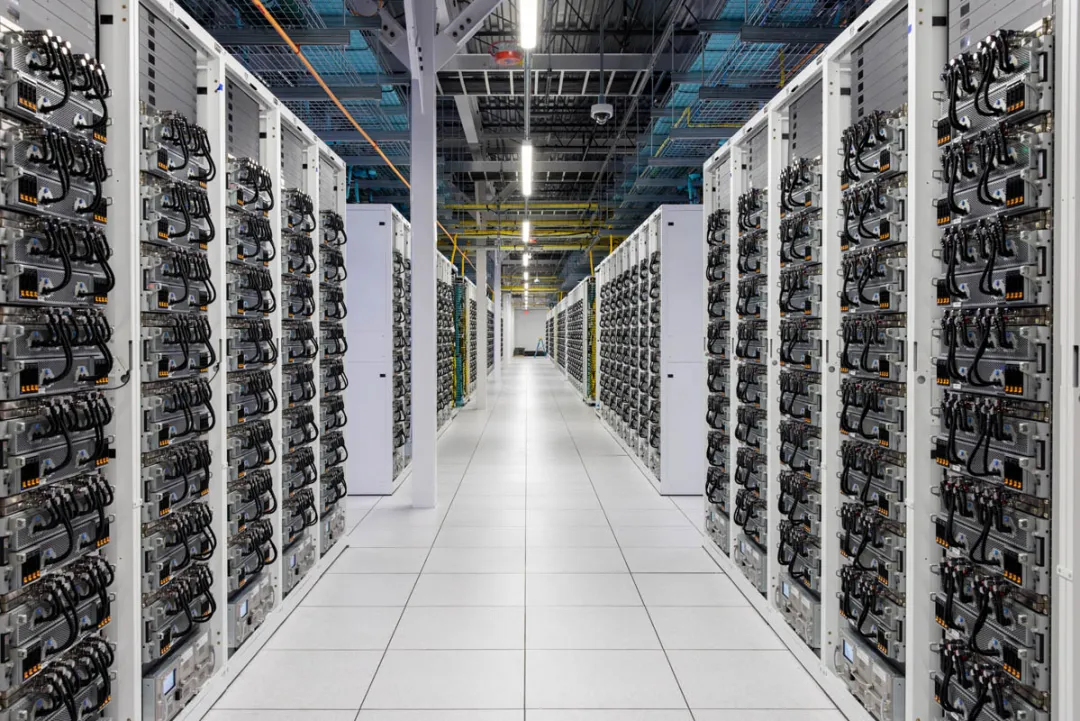
Direct Answer: Use this path for CPU, GPU, AI accelerator, manifold, QDC, CDU-loop, or rack-level liquid cooling programs.
Data center cooling programs require scalable cold plate structures, consistent pressure drop, and serviceable connections. ToneCooling supports custom cold plates for high-density servers and rack liquid cooling loops.
- CPU, GPU, and rack-level cooling
- QDC and manifold constraints
- High-density data center thermal loads

Converter and HVDC Cooling
Direct Answer: Use this path for converter, HVDC, charging module, industrial power supply, or high-power electronics cold plate programs.
Converters and HVDC systems need durable cold plates with controlled pressure drop, dependable sealing, and manufacturable port locations. ToneCooling reviews thermal and mechanical requirements before process selection.
- Converter and HVDC cooling
- Pressure drop and port layout review
- Leak-tested copper or aluminum structures

Optical Module and Laser Cooling
Direct Answer: Use this path for compact cold plates serving optical modules, lasers, transceivers, and precision electronics.
Optical and laser systems often require compact liquid paths, stable temperature control, and tight envelope management. ToneCooling supports microchannel, copper, and aluminum cold plate designs for precision electronics.
- Optical module cooling
- Laser and precision electronics cooling
- Compact liquid cold plate design
Design Inputs Reviewed Before Cold Plate Selection
Thermal Data
Total heat load, heat flux, heat source position, target surface temperature, inlet temperature, and coolant condition.
Hydraulic Limits
Flow rate, pressure drop limit, coolant type, port size, manifold routing, pump capability, and service connection requirements.
Mechanical Constraints
Envelope, mounting points, flatness, surface finish, electrical clearance, sealing method, and integration with the customer assembly.
Production Target
Prototype quantity, annual demand, cost target, preferred material, inspection requirement, and expected validation plan.
Manufacturing and Validation Capabilities
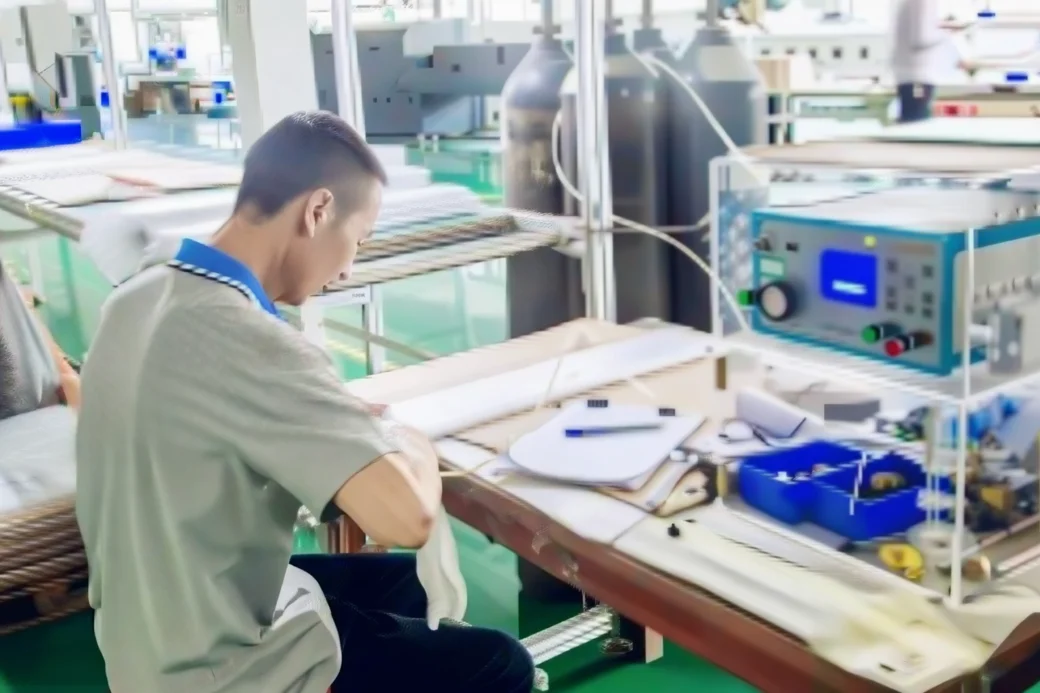
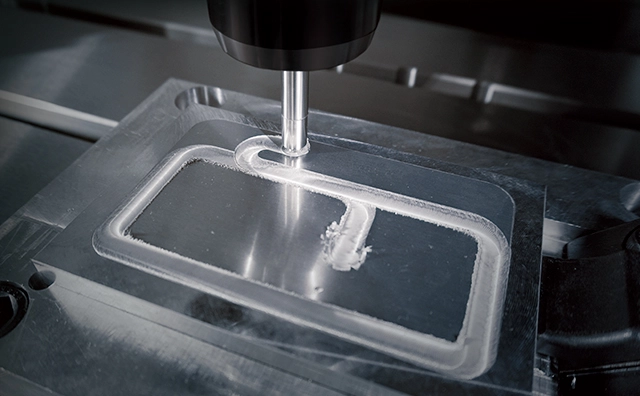
ToneCooling runs CNC machining, friction stir welding, vacuum brazing, leak testing, and pressure testing in-house. The images below show the actual manufacturing and validation steps applied to OEM cold plate programs before delivery.
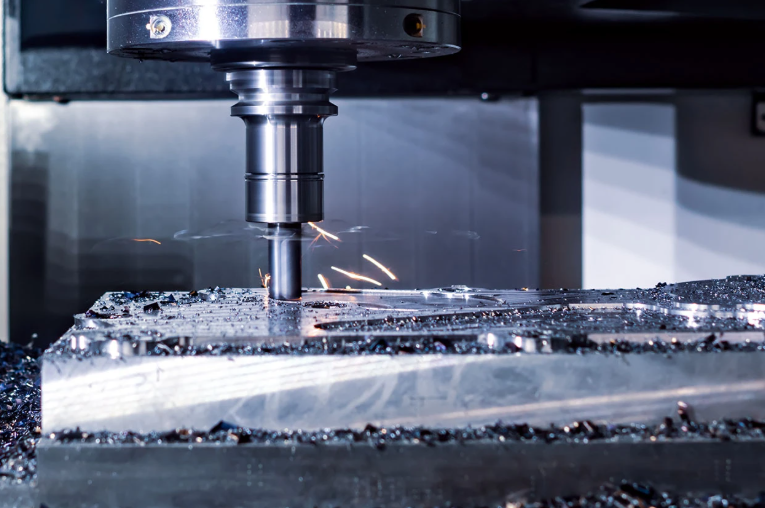
CNC Machined Cold Plates
Suitable for prototypes, controlled channel geometry, manifold features, port machining, and DFM review before batch production.
FSW Aluminum Cold Plates
Used when lightweight aluminum plates, strong joint integrity, and larger plate formats are required for battery or power electronics cooling.

Vacuum Brazed Cold Plates
Used for internal fin structures, compact copper or aluminum assemblies, and cold plates that require sealed multi-layer flow paths.
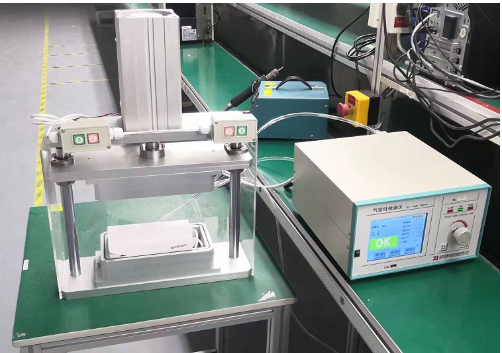
Leak Testing and Validation
Prototype and production programs can include leak testing, pressure testing, surface inspection, and manufacturability review.
RFQ Checklist for a Custom Liquid Cooling Solution
Send drawings, heat load, coolant, flow rate, pressure drop limit, inlet temperature, target temperature, available envelope, material preference, prototype quantity, and annual demand. These inputs help ToneCooling recommend a practical cold plate structure and manufacturing route.
- 2D or 3D drawings
- Heat load and heat source map
- Coolant, flow rate, and pressure drop
- Prototype quantity and annual demand

Regional Market Routing
tonecooling.com is the global ToneCooling manufacturing and technical hub. US and Australian customers can also use the regional ToneCooling sites when local communication and market-specific RFQ handling are preferred.
Global Manufacturing and Technical Center
Use tonecooling.com for product technology, manufacturing capability, cold plate process selection, and global OEM RFQ preparation.
Custom Liquid Cold PlatesUS Customers
For US customers, visit ToneCooling Texas when the project needs North America communication and local RFQ handling.
Visit ToneCooling TexasAustralian Customers
For Australian customers, visit ToneCooling Australia when the project needs Australia-based communication and local RFQ handling.
Visit ToneCooling AustraliaLiquid Cooling Solutions FAQ
These FAQ answers help OEM buyers prepare useful thermal design inputs before contacting ToneCooling. Clear inputs reduce quoting time and help engineering review material, flow path, pressure drop, sealing, validation, and production feasibility.
What liquid cooling solutions does ToneCooling provide?
ToneCooling provides custom liquid cooling solutions for AI servers, EV batteries, IGBT modules, data centers, converters, optical modules, lasers, and industrial power electronics.
When should an OEM use a custom liquid cold plate?
Use a custom liquid cold plate when the heat source layout, heat flux, pressure drop limit, mounting envelope, coolant, or production target cannot be handled by a standard off-the-shelf cooler.
What inputs are needed before ToneCooling recommends a cold plate structure?
Useful inputs include heat load, heat source map, coolant, flow rate, inlet temperature, pressure drop limit, target surface temperature, material preference, available space, drawings, prototype quantity, and annual demand.
Can ToneCooling support prototype and batch production?
Yes. ToneCooling supports DFM review, prototype production, CNC machined cold plates, vacuum brazed cold plates, FSW cold plates, leak testing, pressure testing, and batch manufacturing.
Where can US and Australian customers get local support?
ToneCooling Texas LLC supports US customers and ToneCooling Australia supports Australian customers for local communication and RFQ handling. Engineering and manufacturing are based at the ToneCooling technical center in Guangdong, China.

