
ISO 9001 liquid cold plate manufacturer — Guangdong, China
About ToneCooling — Custom Liquid Cold Plate Manufacturer
ToneCooling Technology Co., Ltd supports global OEM buyers with custom liquid cold plates, liquid cooling solutions, and engineering review for high-power thermal management projects.
Use this page to understand what ToneCooling manufactures, how RFQs are reviewed, and which inputs help engineers evaluate process route, manufacturability, testing plan, and quotation readiness.

What ToneCooling Manufactures
ToneCooling focuses on engineered thermal components for OEM programs where catalog parts are not enough. The main RFQ paths are custom liquid cold plates, EV battery cooling plates, data center direct-to-chip cold plates, GPU and CPU cold plates, IGBT and SiC power module cold plates, and process-specific copper or aluminum cold plate structures.
Application-Specific Cold Plates
Cold plates for EV batteries, AI servers, GPU and CPU modules, IGBT modules, converters, lasers, medical systems, and industrial equipment.
Manufacturing Route Review
CNC machined, FSW, vacuum brazed, tubed, copper, aluminum, and microchannel concepts are reviewed against drawings and operating limits.
Engineering RFQ Support
RFQs are stronger when they include thermal load, coolant, flow target, pressure drop limit, mounting envelope, material preference, quantity, and validation needs.

How a Custom Cold Plate RFQ Is Reviewed
The first review should connect the heat source to a manufacturable coolant path. ToneCooling evaluates the drawing package, contact surfaces, sealing path, port locations, coolant chemistry, pressure drop budget, and expected production stage before recommending a route.
- Application and heat source: EV battery, data center, GPU, CPU, IGBT, SiC, laser, medical, or industrial electronics.
- Thermal and hydraulic inputs: heat load, coolant, flow rate, inlet temperature, and pressure drop limit.
- Mechanical inputs: envelope, mounting holes, flatness target, port direction, connector limits, and material preference.
- Commercial inputs: prototype quantity, annual demand, validation plan, inspection documents, and target schedule.
Engineering and Manufacturing Scope
The purpose of the About page is not to make unsupported performance promises. It should help buyers understand which engineering topics ToneCooling can review before quotation and which claims need project-level validation.
DFM and Process Selection
Review channel layout, wall thickness, tool access, weld or braze path, sealing risk, distortion risk, and inspection access before production planning.
Thermal and Flow Review
Review heat source layout, coolant path, flow distribution, pressure drop budget, inlet temperature, heat spreading, and contact conditions.
Testing Plan Alignment
Leak testing, proof pressure, cleanliness, dimensional checks, and validation records should be defined by the customer specification and confirmed before order release.
Supplier Qualification: Documents, Not Slogans
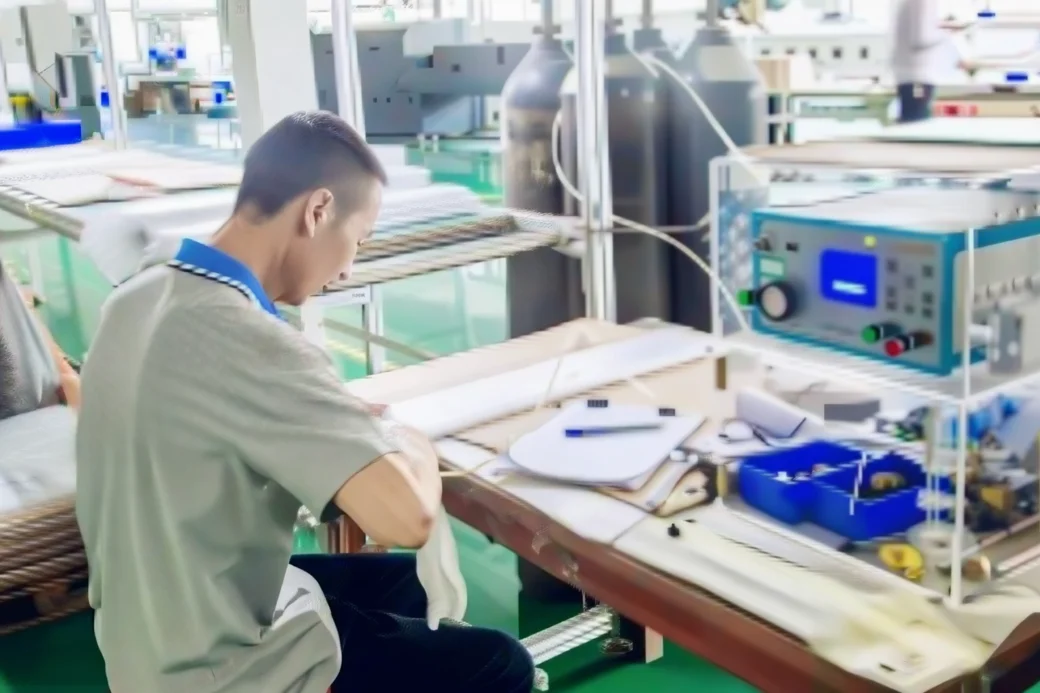
Good suppliers welcome scrutiny — ToneCooling is built for it. Every number on this site is one we can put on the table in an audit. Your qualification package comes straight from the source: current certificates, real test reports, and process evidence, delivered through the RFQ process.
- Current documents, on request. ISO 9001 certificate copies, test reports, and audit documentation go directly to your procurement team — always the latest issue.
- Your IP is protected first. ToneCooling signs NDAs before you send sensitive drawings, customer platforms, or unreleased thermal requirements.
- No surprises at incoming inspection. Leak test, pressure test, flatness, cleanliness, and traceability acceptance criteria are agreed in writing before the quotation is frozen.
Send a More Useful RFQ
For a qualified inquiry, include the engineering inputs that affect process route, cost risk, validation plan, and quotation accuracy.
Send Drawings and Requirements- STEP, STP, PDF, DWG, DXF, ZIP, or layout files
- Heat load, heat map, coolant, inlet temperature, and flow rate
- Pressure drop limit, port layout, connector type, and manifold constraints
- Material, coating, flatness, sealing, leak test, and cleanliness requirements
- Prototype quantity, annual demand, and supplier qualification needs

About ToneCooling FAQ
What does ToneCooling Technology Co., Ltd manufacture?
ToneCooling Technology Co., Ltd manufactures custom liquid cold plates and related thermal management components for OEM projects in EV batteries, data centers, GPU and CPU cooling, IGBT and SiC power modules, lasers, medical equipment, and industrial electronics.
Where is ToneCooling based?
ToneCooling is based in Huizhou, Guangdong, China. The global site should present ToneCooling as a manufacturing and engineering authority, while USA and Australia local intent should be routed to the separate regional websites.
What information helps ToneCooling review a custom cold plate RFQ?
Useful RFQ inputs include drawings, installation envelope, heat load, coolant, flow rate, pressure drop limit, inlet temperature, material preference, port layout, leak or pressure test requirements, prototype quantity, annual demand, and validation needs.
How does ToneCooling choose a cold plate manufacturing route?
The process route is reviewed from the drawing, heat source layout, coolant path, pressure drop budget, material, flatness target, sealing method, cleanliness needs, volume, and validation plan. Common routes include CNC machined, FSW, brazed, tubed, copper, and aluminum cold plate structures when suitable.
Can buyers request supplier qualification documents?
Supplier qualification documents, certification copies, factory audit information, and process evidence should be requested through the RFQ or supplier qualification channel so the current documents can be verified before commercial use.

