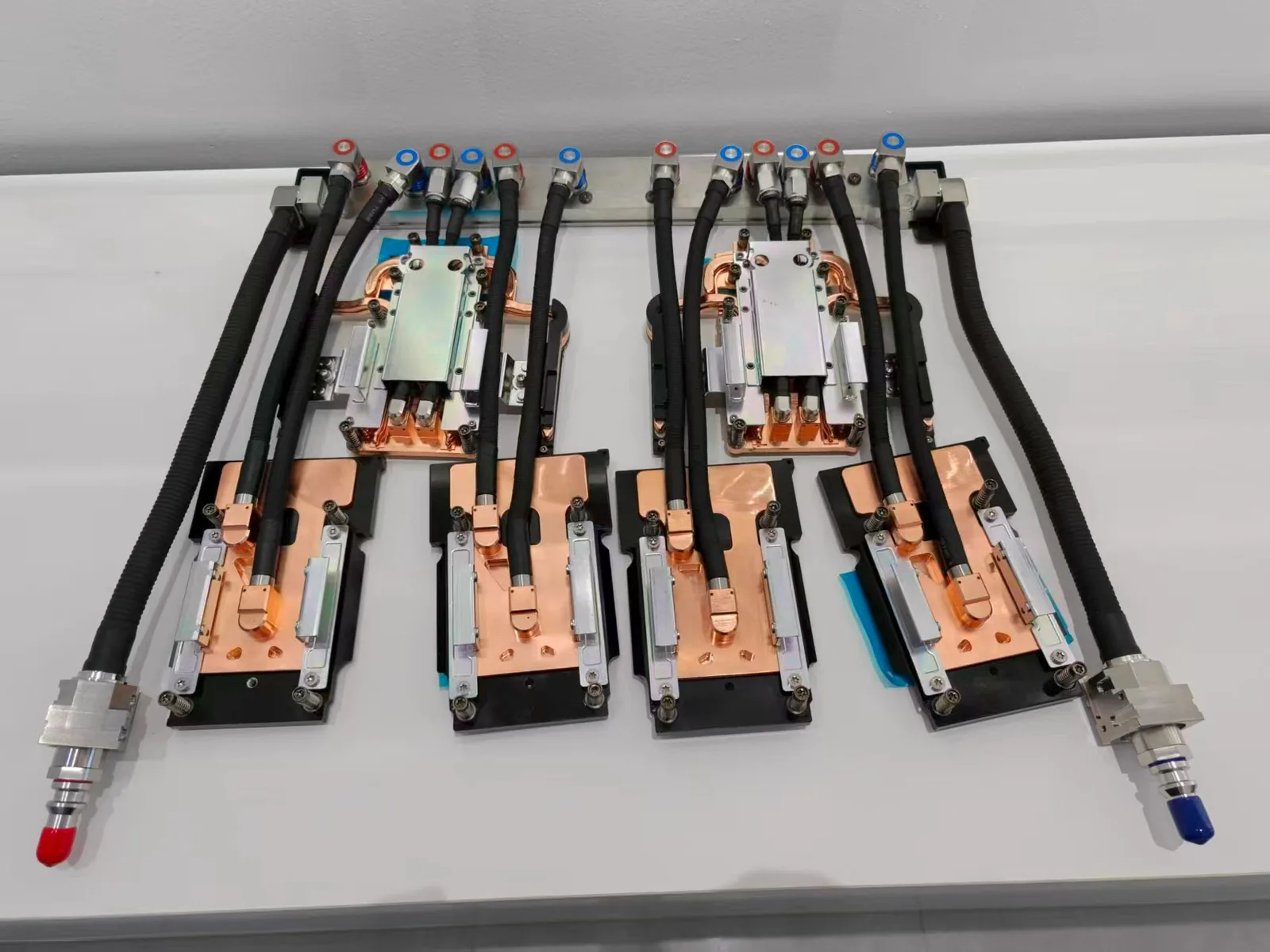
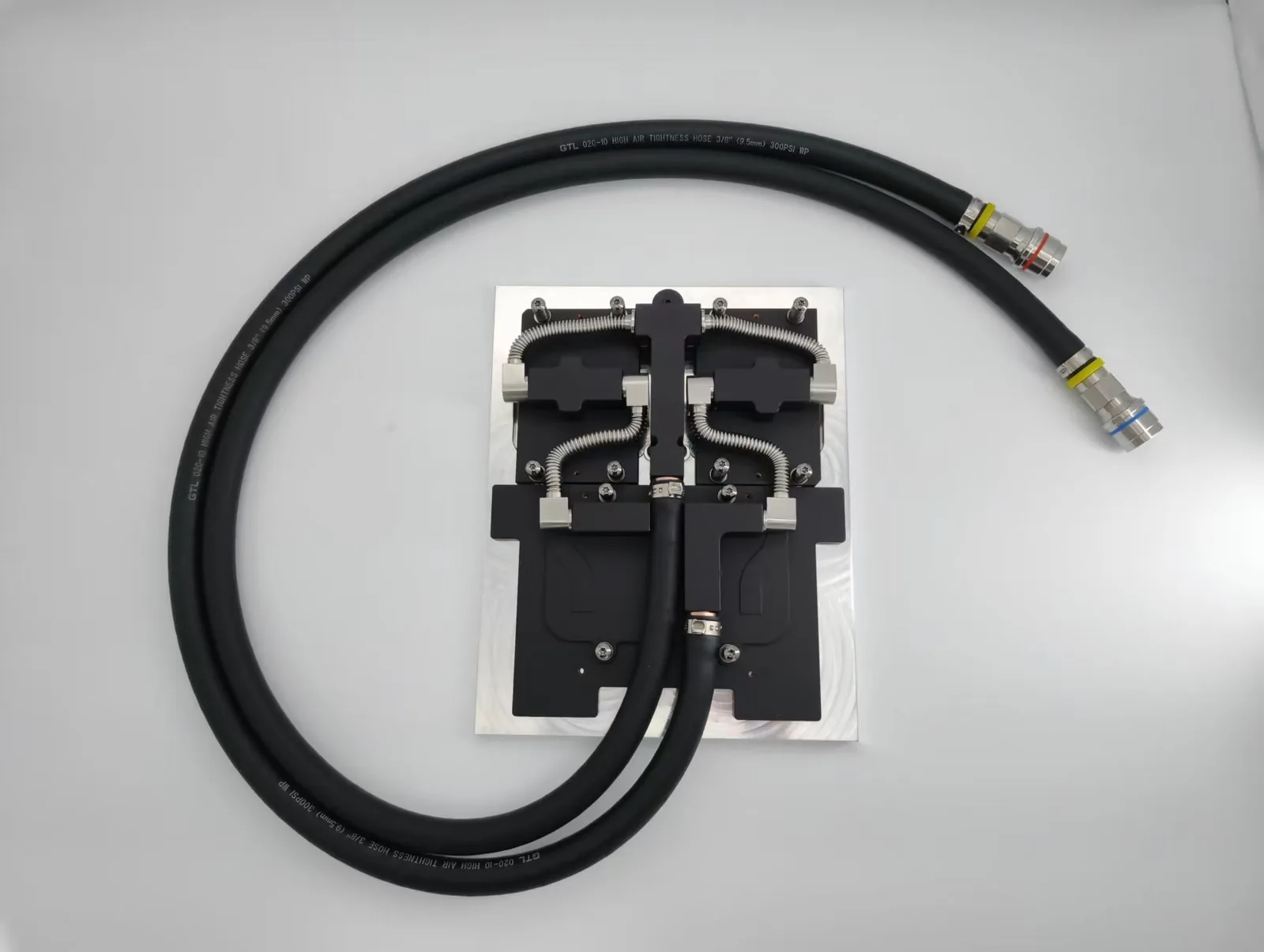
Copper liquid cooling cold plates give CPUs and GPUs the highest thermal conductivity path into the coolant, suiting high heat flux processors. ToneCooling designs custom copper cold plates for computing hardware.

In the rapidly evolving world of high-performance computing, efficient thermal management is a cornerstone of system reliability and performance. As CPUs and GPUs continue to push the boundaries of processing power, they generate significant heat that must be effectively managed to prevent overheating, thermal throttling, and hardware failure. One of the most advanced solutions for this challenge is the copper liquid cooling cold plate, specifically designed for CPU and GPU electrical components. In this article, we’ll explore what this cooling solution is, how it works, and why it’s essential for modern computing systems.
Why Thermal Management is Critical for CPUs and GPUs
CPUs and GPUs are the heart of modern computing systems, powering everything from data centers and gaming rigs to AI workstations and scientific research platforms. However, as these components handle increasingly complex tasks, they generate substantial heat. Without proper cooling, this heat can lead to:
- Thermal Throttling: Reduced performance to prevent overheating.
- Hardware Degradation: Shortened lifespan of components due to thermal stress.
- System Failures: Overheating can cause unexpected shutdowns or permanent damage.
Efficient thermal management ensures that CPUs and GPUs operate within their optimal temperature ranges, maximizing performance and reliability.
What is a Copper Liquid Cooling Cold Plate?
A copper liquid cooling cold plate is a highly efficient cooling solution designed to manage the heat generated by CPUs, GPUs, and other high-performance electrical components. It consists of a flat, copper plate with internal channels that allow liquid coolant to flow through, absorbing heat from the components. The heated coolant is then circulated to a radiator, where the heat is dissipated into the surrounding air.
Copper is the material of choice for cold plates due to its exceptional thermal conductivity, durability, and resistance to corrosion. These properties make it ideal for high-performance cooling applications.
Key Features of a Copper Liquid Cooling Cold Plate
- High Thermal Conductivity: Copper efficiently transfers heat away from CPUs and GPUs, ensuring optimal operating temperatures.
- Customizable Design: Cold plates can be tailored to fit the specific dimensions and thermal requirements of different CPUs, GPUs, and electrical components.
- Durability: Copper is highly resistant to wear and corrosion, ensuring long-term reliability.
- Compact and Lightweight: The design is optimized for space efficiency, making it suitable for a wide range of applications, from compact workstations to large data centers.
- Seamless Integration: Cold plates can be integrated with other cooling components, such as pumps, radiators, and reservoirs, to create a complete liquid cooling system.
Benefits of Using a Copper Liquid Cooling Cold Plate
- Enhanced Performance: By maintaining lower operating temperatures, CPUs and GPUs can operate at peak efficiency without thermal throttling.
- Increased Reliability: Effective cooling reduces thermal stress, extending the lifespan of components.
- Energy Efficiency: Liquid cooling is more efficient than air cooling, reducing overall power consumption.
- Quiet Operation: Liquid cooling systems are significantly quieter than traditional air cooling solutions.
- Customization: Tailored designs ensure the cold plate meets the specific needs of your system, whether it’s for gaming, AI, or data processing.
Applications of Copper Liquid Cooling Cold Plates
Copper liquid cooling cold plates are ideal for a wide range of high-performance computing applications, including:
- Data Centers: High-density server environments require efficient cooling to maintain performance and prevent downtime.
- Gaming PCs: High-end gaming systems with powerful CPUs and GPUs benefit from the superior cooling performance of liquid cold plates.
- Artificial Intelligence and Machine Learning: Training complex AI models generates significant heat, making efficient cooling essential.
- Scientific Research: Simulations and data analysis tasks push hardware to its limits, requiring robust cooling solutions.
- Industrial Automation: High-performance computing in industrial settings demands reliable thermal management.
Why Choose a Copper Liquid Cooling Cold Plate?
When it comes to cooling high-performance CPUs and GPUs, traditional air cooling solutions often fall short. A copper liquid cooling cold plate offers the following advantages:
- Superior Heat Transfer: Copper’s high thermal conductivity ensures efficient heat dissipation.
- Tailored Solutions: Custom designs ensure the cold plate fits your specific hardware and thermal requirements.
- Future-Proofing: A liquid cooling solution can be adapted to meet the evolving needs of your system, ensuring long-term reliability.
Conclusion
In the world of high-performance computing, thermal management is a critical factor that directly impacts system performance, reliability, and efficiency. A copper liquid cooling cold plate for CPU and GPU electrical components provides a superior cooling solution that is tailored to meet the unique demands of modern computing systems. Whether you’re building a gaming PC, managing a data center, or running AI workloads, investing in a copper liquid cooling cold plate is the key to unlocking the full potential of your hardware.
If you’re looking for a reliable, high-performance cooling solution for your CPUs and GPUs, consider a copper liquid cooling cold plate. It’s the ultimate choice for ensuring optimal thermal management and long-term success in your computing projects.
For industry standards and best practices, refer to ASHRAE thermal guidelines.
Overview
Does ToneCooling offer OEM and ODM services?
Yes. ToneCooling provides full OEM and ODM services including custom design, prototyping, thermal simulation, and volume production. We serve customers in North America, Europe, and Asia-Pacific with engineering support and samples within 4–6 weeks.
What materials are used in ToneCooling liquid cold plates?
ToneCooling manufactures cold plates in aluminum (6061/6063), copper (C1100/C1020), and stainless steel. Aluminum FSW cold plates are ideal for high-volume EV and industrial applications, while copper cold plates provide the highest thermal conductivity for high heat flux electronics.
What is the typical lead time for custom cold plates?
Prototype samples are delivered within 4–6 weeks. Production orders typically ship within 6–8 weeks after sample approval. An engineer reviews every RFQ and replies by email with next steps.
Get a Custom Thermal Solution from ToneCooling
ToneCooling is a professional liquid cooling solution provider specializing in custom cold plates, AIO coolers, and advanced thermal management systems. With ISO 9001 quality management and our own manufacturing facility in Huizhou, China, we deliver prototype samples typically within 4–6 weeks. Contact ToneCooling today for a free consultation and quote. An engineer reviews every RFQ and replies by email with next steps.
Related ToneCooling Resources
- Liquid Cold Plates Product Line
- Request a Custom Cold Plate Quote
- Technical Resources & Design Guides
Industry References & Standards
Copper Liquid Cold Plate: Key Specifications
Why Choose ToneCooling for Copper Liquid Cold Plate
Engineering review and prototype planning are based on the project requirements. Custom prototype lead time is normally 4–6 weeks after drawing approval and order confirmation; confirm the production schedule in the quotation.
Building AI servers? See our standard GB300 4G+2C cold plate kit and GB200 cold plate kit, both supplied to published datasheets.
Need a Custom Liquid Cold Plate?
ToneCooling engineers review your drawings and requirements and reply by email with next steps.
Last updated: 2026-10-02