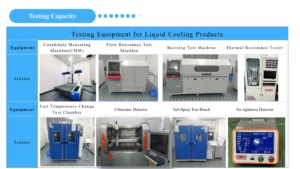
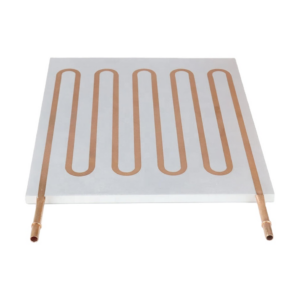
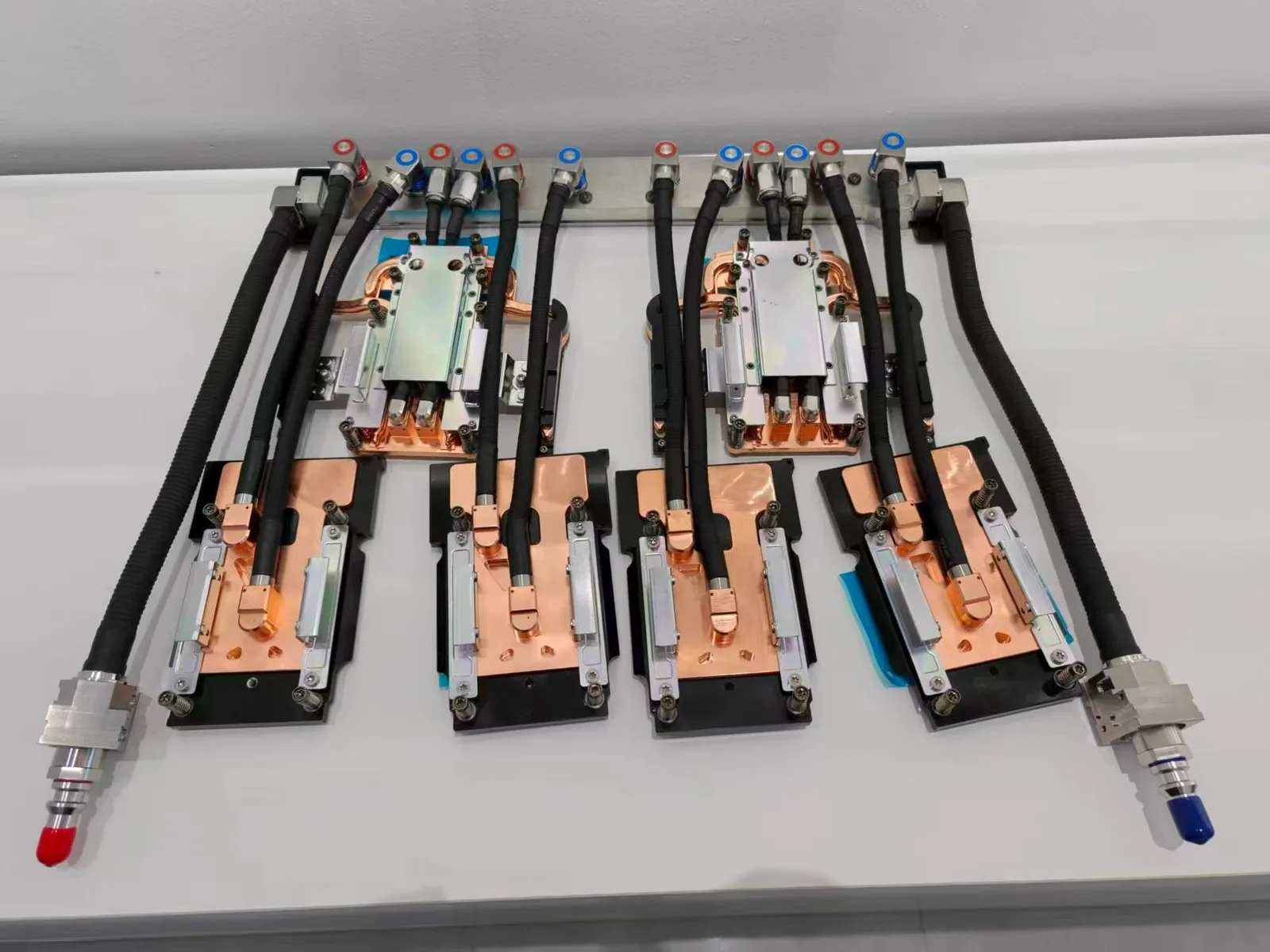
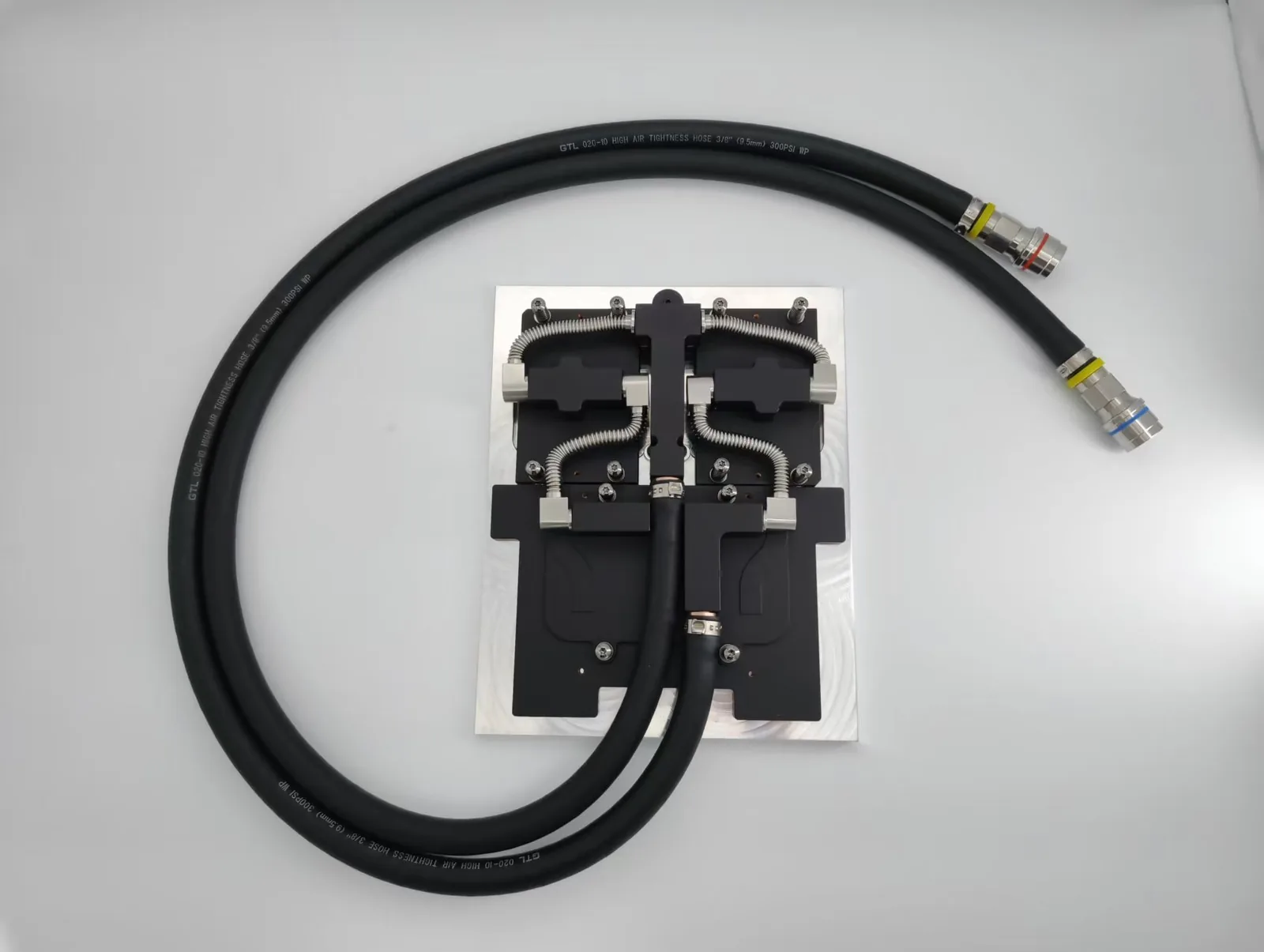
Friction stir welding joins the cover to an aluminum cold plate body in the solid state, producing strong, leak-tight seams for large plates without filler metal. ToneCooling uses FSW for aluminum cold plates where it fits the design.
For an overview of designs and standard kits, see our liquid cold plates page.
Friction stir welding plays a vital role in improving the performance of liquid cold plates. This solid-state joining process ensures precise and durable welds, which enhance the reliability of thermal management systems. Its unique advantages include high joint strength, minimal material distortion, and eco-friendly operation. These qualities make it indispensable for advanced cold plate production.

Mechanism of Friction Stir Welding
Friction stir welding is a solid-state joining process that uses a rotating tool to generate heat through friction. The tool consists of a shoulder and a pin, which plunge into the material at the joint line. As the tool rotates, it softens the material without melting it. The softened material flows around the pin, creating a strong bond as it cools. This welding technology is particularly effective for joining aluminum and other alloys due to its precision and ability to maintain material properties.
Key Advantages of Friction Stir Welding
This welding technology offers several benefits over traditional methods:
- High-quality joints: The process produces defect-free welds with minimal porosity.
- Energy efficiency: It consumes less energy compared to fusion welding techniques.
- Environmental benefits: The process generates no harmful fumes or emissions.
- Versatility: It works well with various materials, including aluminum alloys and aluminum extrusions.
These advantages make friction stir welding a preferred choice in modern manufacturing processes.
Materials Commonly Used in Friction Stir Welding
Friction stir welding is widely used for joining aluminum and its alloys. Aluminum alloy welding is common in industries requiring lightweight and durable components. Other materials include magnesium, copper, and titanium. However, aluminum remains the most popular due to its excellent thermal conductivity and compatibility with this welding technology.
| Material | Common Applications |
|---|---|
| Aluminum | Aerospace, automotive, and electronics |
| Magnesium | Lightweight structural components |
| Copper | Electrical and thermal systems |
| Titanium | Aerospace and medical devices |
The compatibility of these materials with friction stir welding ensures high-quality results in diverse manufacturing applications.

Techniques for Cold Plate Production Using Friction Stir Welding
Importance of the Stirring Head in Weld Quality
The stirring head plays a crucial role in achieving excellent welding performance during friction stir welding. Its design and material composition directly influence the quality of the weld. A well-designed stirring head ensures uniform heat distribution and material flow. This uniformity minimizes defects and enhances joint strength. The pin and shoulder of the stirring head must be durable to withstand high temperatures and pressures. For aluminum and its alloys, the stirring head must maintain precision to prevent material distortion. Manufacturers often optimize the stirring head’s geometry to improve efficiency and ensure consistent results.
Role of Auxiliary Heating in Strengthening Joints
Auxiliary heating is an effective technique for improving weld quality in cold plate production. It preheats the material before the welding process begins. This preheating reduces the force required for the stirring head to penetrate the material. It also enhances the material’s plasticity, resulting in smoother material flow. For aluminum alloys, auxiliary heating ensures excellent welding performance by reducing residual stress and improving joint strength. This method is particularly beneficial when working with thicker materials or when high-strength joints are required.
Material Compatibility for Effective Cold Plate Production
Material compatibility is essential for achieving high-quality results in cold plate production. Aluminum remains the preferred choice due to its lightweight nature and excellent thermal conductivity. Its alloys, such as 6061 and 7075, are commonly used because they offer excellent welding performance. These materials ensure strong, durable joints while maintaining the thermal efficiency required for liquid cold plates. Selecting compatible materials minimizes defects and ensures the longevity of the final product.
Benefits of Friction Stir Welding in Liquid Cold Plate Manufacturing
High Joint Strength and Low Residual Stress
Friction stir welding creates strong and leak-proof joints, which are essential for liquid cold plates. The process ensures high joint strength by maintaining the material’s solid-state properties. Unlike traditional welding, it minimizes residual stress, which often weakens the structure. This makes it ideal for aluminum and its alloys, as these materials require precision to retain their thermal and mechanical properties. The resulting joints are durable and capable of withstanding the demands of liquid cooling systems.
Pollution-Free and Energy-Efficient Process
Friction stir welding stands out as an environmentally friendly manufacturing method. It produces no harmful fumes or emissions, unlike fusion welding techniques. The process also consumes less energy, as it does not require melting the material. This energy efficiency makes it a sustainable choice for producing liquid cooling plates. Manufacturers benefit from reduced operational costs while contributing to a cleaner environment. The absence of pollutants ensures safer working conditions for operators.
Enhanced Thermal Conductivity and Durability
Liquid cooling plates rely on efficient heat transfer to perform effectively. Friction stir welding enhances thermal conductivity by creating defect-free joints. This is particularly important for aluminum, which is widely used in liquid cooling systems due to its excellent thermal properties. The process also improves the durability of the plates by eliminating weak points that could lead to leaks or failures. Using aluminum alloys further boosts the performance of these plates, ensuring long-lasting and reliable thermal management solutions.

Applications of Liquid Cold Plates in Key Industries
EV Battery Thermal Management
Electric vehicles (EVs) rely on efficient thermal management to maintain battery performance and safety. Liquid cold plates play a critical role in regulating battery temperatures during operation. They ensure consistent cooling by transferring heat away from the battery cells. This prevents overheating, which can degrade battery life or cause safety issues.
Aluminum cold plates are commonly used in EVs due to their lightweight and excellent thermal conductivity. Manufacturers design these plates to fit compact battery modules, ensuring efficient heat dissipation without adding unnecessary weight. As EV adoption grows, the demand for advanced cold plates continues to rise.
Medical Equipment Cooling Solutions
Medical devices, such as MRI machines and laser systems, generate significant heat during operation. Liquid cold plates provide an effective solution for cooling these devices. They ensure stable temperatures, which is essential for maintaining accuracy and reliability in medical procedures.
The use of aluminum cold plates in medical equipment offers several advantages:
- Lightweight design: Reduces the overall weight of the equipment.
- Corrosion resistance: Ensures durability in sterile environments.
- High thermal efficiency: Supports continuous operation without overheating.
By integrating cold plates, manufacturers enhance the performance and longevity of critical medical systems.
Heat Dissipation in 5G Telecom Systems
The rapid expansion of 5G networks has increased the need for efficient heat management in telecom equipment. Base stations and data centers generate substantial heat due to high processing demands. Liquid cold plates help dissipate this heat, ensuring uninterrupted operation.
Aluminum cold plates are ideal for telecom systems because of their ability to handle high thermal loads. Their compact design allows integration into tight spaces, making them suitable for modern telecom infrastructure. As 5G technology advances, liquid cold plates will remain essential for maintaining system reliability.
Friction stir welding offers unmatched precision, strength, and eco-friendly benefits in cold plate production. Its application ensures reliable thermal management solutions for industries like EVs, healthcare, and telecom. Advanced manufacturing techniques continue to meet the rising demand for efficient cooling systems, driving innovation in critical sectors.
BUY FSW LIQUID COLD PLATE HERE
For industry standards and best practices, refer to American Welding Society.
Frequently Asked Questions
Does ToneCooling offer OEM and ODM services?
Yes. ToneCooling provides full OEM and ODM services including custom design, prototyping, thermal simulation, and volume production. We serve customers in North America, Europe, and Asia-Pacific with engineering support and samples within 4–6 weeks.
What materials are used in ToneCooling liquid cold plates?
ToneCooling manufactures cold plates in aluminum (6061/6063), copper (C1100/C1020), and stainless steel. Aluminum FSW cold plates are ideal for high-volume EV and industrial applications, while copper cold plates provide the highest thermal conductivity for high heat flux electronics.
What is the typical lead time for custom cold plates?
Prototype samples are delivered within 4–6 weeks. Production orders typically ship within 6–8 weeks after sample approval. An engineer reviews every RFQ and replies by email with next steps.
Get a Custom Thermal Solution from ToneCooling
ToneCooling is a professional liquid cooling solution provider specializing in custom cold plates, AIO coolers, and advanced thermal management systems. With ISO 9001 quality management and our own manufacturing facility in Huizhou, China, we deliver prototype samples typically within 4–6 weeks. Contact ToneCooling today for a free consultation and quote. An engineer reviews every RFQ and replies by email with next steps.
References: ASHRAE thermal standards
Why Choose ToneCooling for Friction Stir Welding Cold Plate
Engineering review and prototype planning are based on the project requirements. Custom prototype lead time is normally 4–6 weeks after drawing approval and order confirmation; confirm the production schedule in the quotation.
Need a Custom Liquid Cold Plate?
ToneCooling engineers review your drawings and requirements and reply by email with next steps.
Last updated: 2026-10-02