Exploring Advantages Copper Heat Sinks is a high-performance thermal management solution engineered by ToneCooling for demanding applications.
This comprehensive guide covers exploring the advantages of solutions for industrial and OEM applications. ToneCooling provides expert insights on exploring the advantages of technology and implementation.
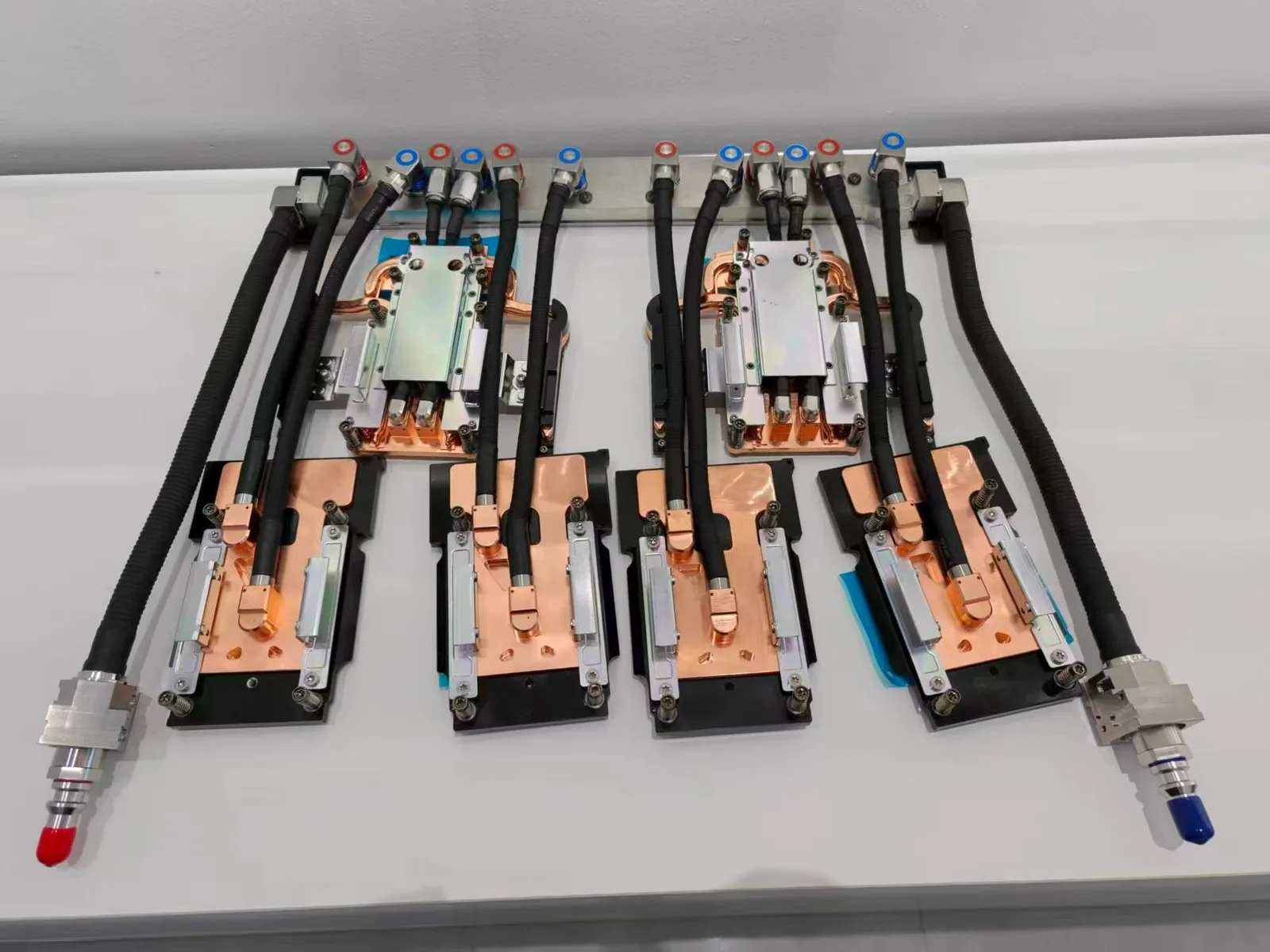
Copper heat sinks play a vital role in thermal management. Their high thermal conductivity allows them to dissipate heat efficiently, preventing overheating in devices. The advantages of copper include its durability and adaptability, which make it suitable for both consumer electronics and industrial systems. These qualities ensure reliable performance under demanding conditions.

What Is Exploring Advantages Copper Heat Sinks?
Importance of heat dissipation in electronics
Heat dissipation plays a critical role in maintaining the performance and longevity of electronic devices. Excessive heat can damage sensitive components, reduce efficiency, and shorten the lifespan of devices.
Proper thermal management ensures that systems operate within safe temperature ranges. Copper heat sinks excel in this area due to their ability to transfer heat away from components quickly. This advantage of copper makes it a preferred material for cooling solutions in electronics.
How copper’s thermal conductivity enhances cooling efficiency
Copper’s high thermal conductivity allows it to absorb and transfer heat more effectively than many other materials. With a thermal conductivity rating of approximately 400 W/m·K, copper ensures rapid heat dissipation, keeping devices cool even under heavy workloads.
This property is especially beneficial in applications requiring consistent cooling, such as high-performance computing systems. By using copper heat sinks, manufacturers can achieve better thermal management, improving device reliability and efficiency.
Comparison of copper and aluminum in heat dissipation
When comparing copper vs. aluminum in heat dissipation, copper stands out for its superior thermal conductivity. Aluminum, with a thermal conductivity of around 200 W/m·K, is less efficient at transferring heat. However, aluminum is lighter and more cost-effective, making it suitable for less demanding applications.
In contrast, copper’s advantages in heat dissipation make it ideal for high-power systems and environments requiring maximum cooling efficiency. The debate of aluminum vs. copper often depends on the specific needs of the application, but copper remains the top choice for performance-critical scenarios.

Performance and Durability of Copper Heat Sinks
Copper’s resistance to high temperatures and thermal fluctuations
Copper demonstrates exceptional resistance to high temperatures and thermal fluctuations. This property ensures that copper heat sinks maintain their structural integrity even under extreme conditions. Unlike some materials that degrade or warp when exposed to heat, copper remains stable.
This stability allows it to perform consistently in environments where temperature changes occur rapidly. For example, high-performance computing systems often generate significant heat. Copper heat sinks effectively manage this heat, ensuring reliable operation.
Long-term performance benefits of copper heat sinks
The long-term performance of copper heat sinks makes them a valuable investment. Their ability to sustain efficient heat dissipation over time reduces the risk of overheating. This reliability extends the lifespan of electronic components, minimizing the need for frequent replacements.
Copper’s durability also ensures that its thermal conductivity remains consistent, even after prolonged use. As a result, devices equipped with copper heat sinks continue to operate at optimal performance levels, providing users with dependable cooling solutions.
Durability in demanding environments
Copper heat sinks excel in demanding environments where durability is crucial. Industrial systems, for instance, often face harsh conditions such as high temperatures, dust, and vibrations. Copper’s robust nature allows it to withstand these challenges without compromising performance.
Additionally, its resistance to corrosion ensures that it remains effective in environments with high humidity or exposure to chemicals. This durability makes copper heat sinks a preferred choice for applications requiring reliable thermal management in tough conditions.
Versatility of Copper Heat Sinks
Applications in high-performance computing and electronics
Copper heat sinks play a critical role in high-performance applications like computing and electronics. Devices such as gaming laptops, servers, and GPUs generate significant heat during operation. Copper’s superior thermal conductivity ensures efficient heat dissipation, maintaining optimal performance levels.
High-performance applications demand consistent cooling to prevent overheating and maintain reliability. Copper heat sinks meet these demands by transferring heat away from sensitive components quickly. This makes them an essential component in modern computing systems.
Use in industrial and high-power systems
Industrial and high-power systems often operate in challenging environments. These applications include power plants, heavy machinery, and renewable energy systems. Copper heat sinks excel in these settings due to their durability and ability to handle high thermal loads.
Their resistance to corrosion and thermal fluctuations ensures long-term performance. In high-power systems, efficient heat dissipation is crucial to prevent equipment failure. Copper’s robust nature makes it the preferred choice for these demanding applications.
Customization options for specific thermal management needs
Copper heat sinks offer extensive customization options to meet diverse thermal management requirements. Manufacturers can design them in various shapes and sizes to fit specific applications. For instance, compact designs suit small electronic devices, while larger configurations cater to industrial systems.
Customization also includes surface treatments to enhance heat dissipation. These tailored solutions ensure that copper heat sinks provide optimal cooling for a wide range of applications, from consumer electronics to industrial machinery.

Conclusion
Copper heat sinks deliver exceptional thermal management by ensuring high heat dissipation efficiency. Their durability makes them reliable for long-term use, even in demanding environments. The versatility of copper allows it to excel in real-world applications, from consumer electronics to industrial systems. These qualities make copper heat sinks an excellent choice for superior cooling solutions.
Reliable Thermal Management Solutions From ToneCooling
ToneCooling delivers high-performance copper heat sinks designed to keep electronic and industrial systems running at safe temperatures. With excellent thermal conductivity, our copper heat sinks quickly pull heat away from sensitive components, preventing overheating and improving efficiency. Built for durability, they withstand extreme conditions, making them ideal for high-power computing, renewable energy systems, and heavy machinery.
We understand that every application has unique cooling needs. That’s why we offer custom copper heat sinks, tailored in size, shape, and design to fit specific requirements. Whether you need compact cooling for electronics or large-scale solutions for industrial use, our precision-engineered heat sinks provide reliable, long-term performance.
A strong cooling system protects your equipment, extends its lifespan, and enhances overall efficiency. At ToneCooling, we are committed to delivering top-tier thermal management solutions that meet the highest standards.
Contact us today to find the right copper heat sink for your needs!
For industry standards and best practices, refer to Electronics Cooling Magazine.
Frequently Asked Questions
Does ToneCooling offer OEM and ODM services?
Yes. ToneCooling provides full OEM and ODM services including custom design, prototyping, thermal simulation, and volume production. We serve customers in North America, Europe, and Asia-Pacific with engineering support and samples within 6–8 weeks.
What types of heat sinks does ToneCooling manufacture?
ToneCooling manufactures extruded, machined, bonded-fin, and skived heat sinks in aluminum and copper. We also produce liquid cold plates and vapor chambers for applications exceeding air cooling capacity.
How do I select the right heat sink for my application?
Selection depends on thermal design power (TDP), available airflow, space constraints, and cost targets. Contact ToneCooling with your thermal requirements for application-specific recommendations.
Get a Custom Thermal Solution from ToneCooling
ToneCooling is a professional liquid cooling solution provider specializing in custom cold plates, AIO coolers, and advanced thermal management systems. With ISO 9001:2015 certified manufacturing, we deliver prototype samples within 6–8 weeks. Contact ToneCooling today for a free consultation and quote — we respond within 24 business hours.
For industry standards and best practices, refer to Electronics Cooling Magazine.
Frequently Asked Questions
Does ToneCooling offer OEM and ODM services?
Yes. ToneCooling provides full OEM and ODM services including custom design, prototyping, thermal simulation, and volume production. We serve customers in North America, Europe, and Asia-Pacific with engineering support and samples within 6–8 weeks.
What types of heat sinks does ToneCooling manufacture?
ToneCooling manufactures extruded, machined, bonded-fin, and skived heat sinks in aluminum and copper. We also produce liquid cold plates and vapor chambers for applications exceeding air cooling capacity.
How do I select the right heat sink for my application?
Selection depends on thermal design power (TDP), available airflow, space constraints, and cost targets. Contact ToneCooling with your thermal requirements for application-specific recommendations.
Get a Custom Thermal Solution from ToneCooling
ToneCooling is a professional liquid cooling solution provider specializing in custom cold plates, AIO coolers, and advanced thermal management systems. With ISO 9001:2015 certified manufacturing, we deliver prototype samples within 6–8 weeks. Contact ToneCooling today for a free consultation and quote — we respond within 24 business hours.
References: ASHRAE thermal standards, Wikipedia: Heat Sink Technology
Why Choose ToneCooling for Heat Sink Thermal Management
Engineering review and prototype planning are based on the project requirements. Custom prototype lead time is normally 6–8 weeks after drawing approval and order confirmation; confirm the production schedule in the quotation.
Last Updated: 2026-04-08
Need a custom exploring advantages copper heat sinks solution?
ToneCooling engineers respond within 24 hours with CFD-validated thermal recommendations.