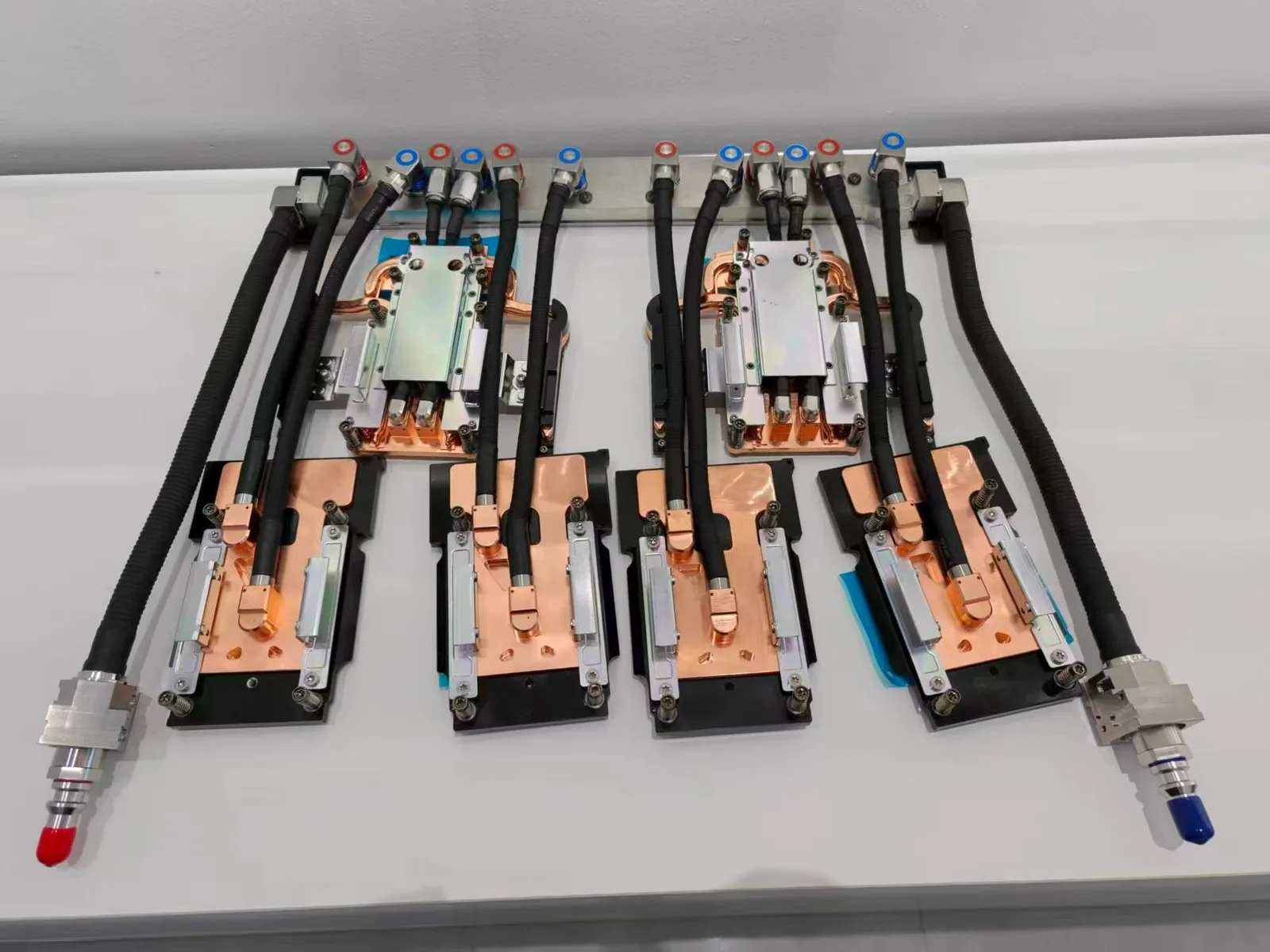
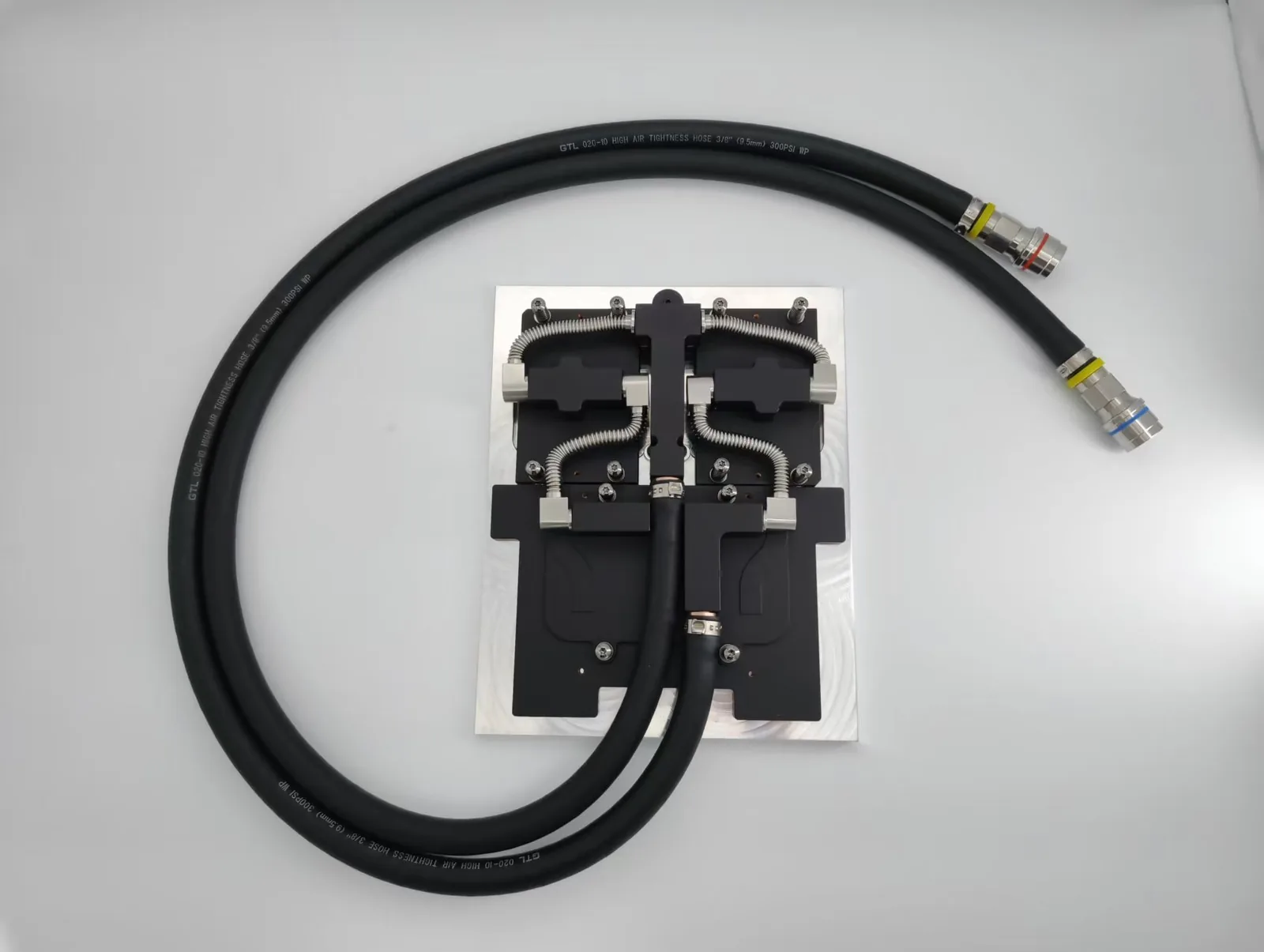
Vapor Phase Cooling is a precision-engineered thermal management component for high-power electronics cooling. ToneCooling provides vapor phase cooling solutions validated for AI server, data center, EV battery, and power electronics applications.
Vapor phase cooling has become an essential heat management technique across various high-tech industries. From cooling computer processors to managing thermal loads in power electronics, this method offers efficient and reliable thermal control. But what exactly is vapor phase cooling? How does it work? And why is it preferred over traditional cooling methods in many advanced applications? This article breaks down the science behind vapor phase cooling, explores its key performance factors, and highlights its common applications and benefits.

What is Vapor Phase Cooling?
Vapor phase cooling is a heat transfer technology that uses the phase change of a working fluid within a sealed system to effectively transfer heat away from hot components. Unlike conventional liquid cooling, which relies solely on temperature differences within the fluid, vapor phase cooling exploits the latent heat involved when a fluid changes state—from liquid to vapor and back.
In practice, when the working fluid at the heat source absorbs thermal energy, it evaporates into vapor. This vapor then moves to a cooler area within the system where it condenses back to liquid, releasing the absorbed heat. The liquid is returned to the heat source by capillary action or other mechanisms to repeat the cycle. This continuous evaporation-condensation process allows for highly efficient heat transfer with minimal temperature gradient.
How Does Vapor Phase Cooling Work?
The core principle behind vapor phase cooling is the latent heat of vaporization. This is the amount of energy absorbed or released by a fluid when it changes phase without a significant temperature change. Vapor phase cooling systems take advantage of this to move large amounts of heat away from hotspots quickly.
Key components in vapor phase cooling include:
- Evaporator region: Where heat is absorbed and the working fluid evaporates.
- Vapor flow path: The channel through which the vapor travels from the hot side to the cooler condenser.
- Condenser region: Where the vapor releases heat and condenses back to liquid.
- Fluid return mechanism: Usually a wick structure or capillary system that transports the liquid back to the evaporator.
The performance of vapor phase cooling is strongly dependent on three main factors:
- Geometry: The design and dimensions of the cooling device affect vapor flow and heat transfer efficiency. Optimized geometry minimizes flow resistance and maximizes surface area for condensation and evaporation.
- Working Fluid: Selection of the fluid is crucial. The fluid’s boiling point, latent heat, thermal conductivity, and chemical stability under operating conditions determine the cooling system’s capacity and reliability.
- Microstructure of the Wick: The wick’s porous structure enables capillary action that drives the fluid back to the evaporator without the need for external pumps. Its microstructure controls fluid flow rates and directly impacts system stability and maximum heat flux capacity.
Vapor Phase Cooling Examples
Vapor phase cooling inlcudes heat pipes and vapor chambers. Both use the evaporation and condensation of a working fluid inside a sealed enclosure to transfer heat efficiently, but their structures and applications differ.
Heat pipes are sealed hollow tubes partially filled with a working fluid and lined with a wick structure. When heat is applied to one end, the fluid evaporates, absorbing heat as latent heat of vaporization. The vapor then moves to the cooler end, where it condenses, releasing heat.
The condensed liquid returns to the hot end through the wick by capillary action, repeating the cycle. Heat pipes have no moving parts, which makes them highly reliable and maintenance-free. Their high effective thermal conductivity and compact size make them ideal for cooling electronics such as laptops, smartphones, and aerospace systems.
Vapor chambers are flat, plate-like heat spreaders that operate on the same phase-change principle but provide two-dimensional heat transfer. This planar design allows vapor chambers to spread heat uniformly across their surface, reducing hot spots that can occur with traditional cooling methods.
This makes them particularly suited for high-power components like CPUs, GPUs, and power electronics in data centers and servers. By providing a more even temperature distribution, vapor chambers help improve device performance and reliability.
Both heat pipes and vapor chambers are passive cooling technologies that leverage phase change to move heat rapidly with minimal temperature difference, playing a crucial role in modern thermal management systems.

Applications of Vapor Phase Cooling
1. Electronics Cooling
Electronics generate significant heat, especially with the trend toward miniaturization and higher computing power. Heat pipes and vapor chambers are standard solutions in laptops, desktops, servers, and telecommunications equipment. They efficiently draw heat away from hotspots such as CPUs, GPUs, and power modules, preventing thermal throttling and ensuring stable performance. Their compact size and passive operation also make them ideal for space-constrained devices.
2. Data Centers and High-Performance Computing (HPC)
Modern data centers house thousands of processors running simultaneously, creating enormous heat loads. Vapor phase cooling technology, especially two-phase pumped cooling loops, is increasingly adopted to handle these extreme thermal demands. By leveraging phase change heat transfer, these systems maintain optimal temperatures, reduce energy consumption for cooling, and improve the overall efficiency of data centers.
3. Power Electronics and Electric Vehicles
Inverters, converters, and battery management systems in electric vehicles and renewable energy installations generate concentrated heat in small spaces. Vapor phase cooling solutions provide a reliable and compact thermal management method that helps maintain component longevity and performance under high thermal stress. The technology supports the growing need for efficient, lightweight cooling in automotive and green energy sectors.
4. LED Lighting
High-power LEDs produce heat at their junctions, which, if not properly managed, can drastically reduce their lifespan and light output. Vapor phase cooling helps maintain stable junction temperatures by efficiently removing heat from LED arrays. This results in longer-lasting, more reliable lighting products with consistent brightness and color stability.
5. Aerospace and Defense
In aerospace applications, weight and reliability are paramount. Vapor phase cooling offers lightweight thermal management solutions for avionics, radar systems, and other sensitive electronic components exposed to extreme environments. Its ability to provide uniform temperature distribution while minimizing size and weight makes it especially valuable in military and aerospace platforms.
6. Medical Devices
Medical imaging equipment, such as MRI and CT scanners, contain high-density electronics that require precise temperature control. Vapor phase cooling systems help maintain consistent temperatures, ensuring reliable operation and extending the service life of critical medical instruments.
7. Industrial Equipment
In industrial automation and manufacturing, vapor phase cooling is used to manage heat in robotics, sensors, and high-frequency switching devices. Effective thermal management ensures continuous operation without overheating, minimizing downtime and maintenance costs.
Benefits of Vapor Phase Cooling
Vapor phase cooling offers several advantages over traditional cooling methods:
- High thermal efficiency: The use of latent heat allows for more heat transfer per unit temperature difference, leading to better cooling performance.
- Uniform temperature distribution: Phase change cooling minimizes thermal gradients, reducing hotspots that can damage components.
- Compact and lightweight: Vapor phase systems can achieve high cooling capacity with less volume and weight, important for portable and space-constrained applications.
- Low pumping power or passive operation: Capillary wicks or gravity-driven fluid return reduces or eliminates the need for external pumps, lowering energy consumption and increasing reliability.
- Scalability: Vapor phase cooling can be tailored from small heat pipes in consumer electronics to large pumped two-phase loops for industrial applications.
Vapor Phase Cooling vs. Liquid Cooling
1. Heat Transfer Mechanism
Vapor chambers rely on phase-change heat transfer within a sealed structure. The fluid inside evaporates at the heat source and condenses at cooler regions, passively moving heat across the surface. In contrast, liquid cooling systems use a pump to actively circulate coolant through a cold plate and tubing, then discharge heat via a radiator and fans.
2. Structure and Size
A vapor chamber is a compact, flat metal enclosure with an internal wick structure, designed to fit into tight spaces like smartphones or laptops. Liquid cooling systems are bulkier, requiring a pump, radiator, tubes, and fans, making them more suitable for environments with adequate installation space such as gaming PCs or servers.
3. Cooling Characteristics
Vapor chambers are effective at spreading heat evenly across a surface, which helps prevent localized hot spots. Liquid cooling systems focus more on extracting large volumes of heat quickly from a specific area, making them ideal for handling high thermal loads in performance-intensive setups.
4. Maintenance and Reliability
Vapor chambers have no moving parts, making them maintenance-free and highly reliable over long periods. Liquid cooling setups involve pumps, fans, and tubing, which may require periodic maintenance due to potential failures, leaks, or coolant degradation over time.
5. Cost and Integration
Vapor chambers are simpler in design and easier to integrate into compact products, often resulting in lower overall cost for mass production. Liquid cooling systems are more complex, with multiple components that raise both cost and installation requirements, especially in custom or high-performance applications.
Conclusion
Vapor phase cooling remains a cornerstone technology for modern thermal management challenges. Its reliance on phase change physics allows for rapid, uniform, and efficient heat transfer. Whether in a simple heat pipe or complex pumped two-phase cooling loop, understanding the critical factors such as geometry, working fluid choice, and wick microstructure can help optimize system performance.
For industries pushing the limits of power density and miniaturization, vapor phase cooling offers an elegant and proven solution to manage heat—ensuring devices run reliably and efficiently under demanding conditions.
For industry standards and best practices, refer to ASHRAE thermal guidelines.
Frequently Asked Questions
Does ToneCooling offer OEM and ODM services?
Yes. ToneCooling provides full OEM and ODM services including custom design, prototyping, thermal simulation, and volume production. We serve customers in North America, Europe, and Asia-Pacific with engineering support and samples within 4–6 weeks.
What industries does ToneCooling serve?
ToneCooling serves data center, telecommunications, EV/automotive, power electronics, aerospace, medical devices, and industrial laser markets with custom thermal management solutions.
How can I get a quote from ToneCooling?
Visit tonecooling.com/contact or email info@tonecooling.com with your thermal requirements. ToneCooling engineers review all inquiries and reply with clear next steps.
Get a Custom Thermal Solution from ToneCooling
ToneCooling is a professional liquid cooling solution provider specializing in custom cold plates, AIO coolers, and advanced thermal management systems. With ISO 9001:2015 certified manufacturing, we deliver prototype samples within 4–6 weeks. Contact ToneCooling today for a free consultation and quote.
Industry References & Standards
Why Choose ToneCooling for Vapor Phase Cooling Electronics
Engineering review and prototype planning are based on the project requirements. Custom prototype lead time is normally 4–6 weeks after drawing approval and order confirmation; confirm the production schedule in the quotation.
Last Updated: 2026-04-08
Need a custom vapor phase cooling solution?
ToneCooling engineers respond with CFD-validated thermal recommendations.