If your business works with high-powered electronics, lasers, or energy systems, you’ve probably heard the term “cold plate.” But what exactly are cold plates used for, and why do so many industries rely on them for cooling?
In this article, we’ll break it down clearly, with real-world examples and insights into the top five applications. Whether you’re sourcing thermal management solutions or just doing research, this guide will give you a clear understanding.
Overview
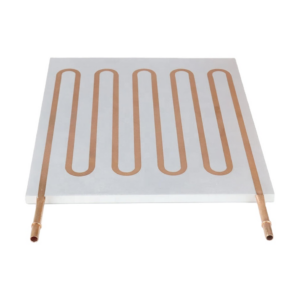
A cold plate is a type of heat exchanger used to cool electronic components by transferring heat away from them into a circulating liquid, usually water or glycol.
Unlike fans or heat sinks that rely on air, cold plates use direct contact and liquid flow, which is far more efficient in high-power environments.
1. Power Electronics Cooling — What are cold plates
Why cold plates are critical in power systems — What are cold plates
Power electronics generate a lot of heat. Devices like IGBTs, MOSFETs, and silicon carbide modules are compact but handle high voltages and currents. Overheating can cause immediate failure or long-term degradation.
How cold plates help
Cold plates are mounted directly to these power modules. Heat flows from the module into the plate, then into a circulating fluid that carries it away. This setup maintains safe operating temperatures even under heavy load.
Where it’s used
- Industrial motor drives
- Power supplies
- UPS systems
- High-speed trains
Cold plates provide reliable and efficient cooling for power modules, helping prevent failures and improve long-term performance in high-power systems.
2. EV Battery and Powertrain Cooling
Cold plates in electric vehicles
Electric vehicles (EVs) rely heavily on cold plate technology to cool battery packs, onboard chargers, and drive inverters. With growing demand for faster charging and longer range, thermal management becomes a key concern.
How it works in EVs
A cold plate is positioned under or between battery cells or modules. Heat generated during charging or discharge is absorbed and transferred into the vehicle’s coolant loop. In powertrains, cold plates help regulate inverter and motor controller temperatures.
Why this matters
Poor thermal control affects charging speed, battery safety, and performance. Cold plates help EV systems run efficiently without thermal throttling.
Cold plates are essential for managing the temperature of EV batteries and power components, ensuring safety, performance, and longevity.
3. Data Center and Server Cooling
Tackling heat in high-density computing
Modern servers and data centers operate under extreme workloads. With CPUs and GPUs packed densely together, heat becomes a major problem. Traditional air cooling often falls short, especially in high-performance computing (HPC) environments.
How cold plates solve this
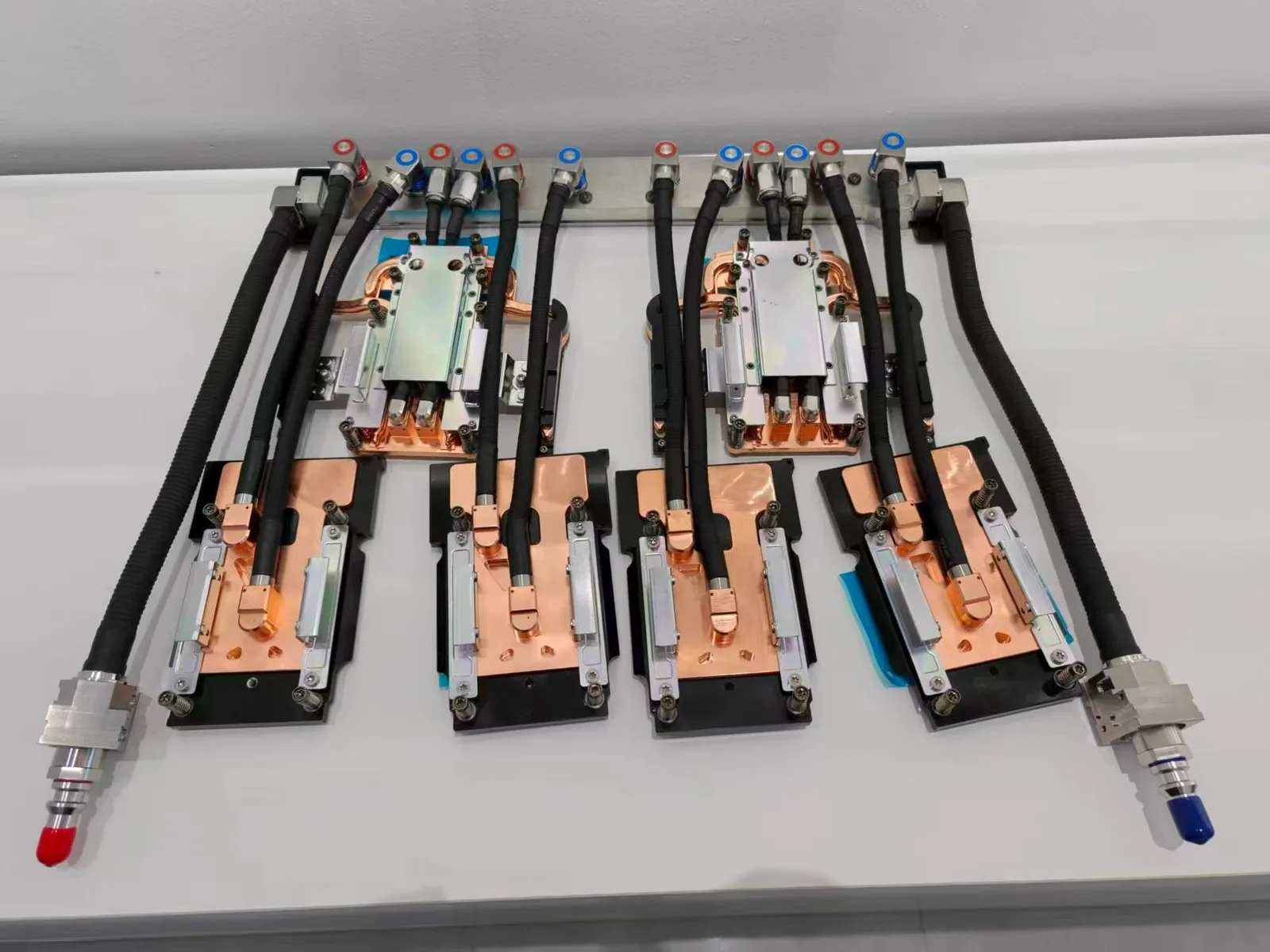
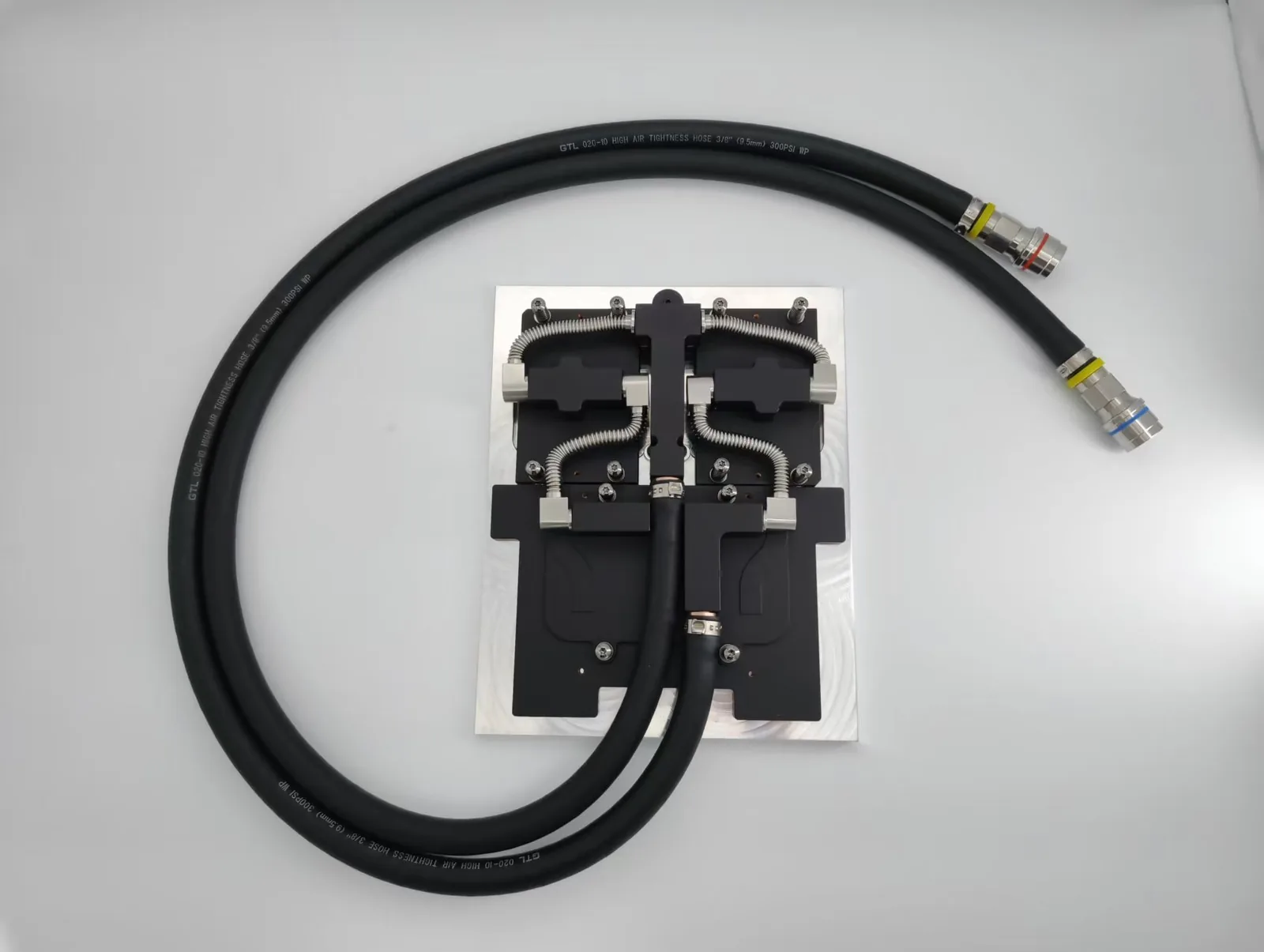
Cold plates are mounted directly on top of processors and accelerators. They connect to a closed-loop liquid cooling system that removes heat far more efficiently than air. Some setups combine cold plates with rear-door heat exchangers or immersion cooling.
Common use cases
- Cloud computing
- AI training clusters
- Financial data centers
Cold plates help data centers maintain consistent performance and reduce energy costs by providing targeted, efficient cooling for CPUs and GPUs.
4. Laser and Medical Equipment Cooling
High precision requires stable temperatures
Lasers used in cutting, welding, or medical diagnostics generate focused heat in a small area. This can cause misalignment or damage if not controlled. Medical devices like MRI and CT scanners also produce heat during long sessions.
Role of cold plates
Cold plates are used to extract heat directly from the laser diode, optics, or imaging coils. Their stable cooling performance protects sensitive components and ensures accurate results.
Where it applies
- Surgical lasers
- Dental imaging systems
- Industrial laser cutters
- MRI cooling systems
Cold plates ensure thermal stability in precision laser systems and medical equipment, reducing the risk of errors or damage during operation.
5. Renewable Energy Systems
Managing heat in solar and wind systems
Inverters and power converters in renewable energy setups handle fluctuating loads and can get hot quickly. Without efficient cooling, performance drops and hardware ages faster.
How cold plates are used
Cold plates are attached to inverter modules and rectifiers to keep them within safe temperature limits, even during peak energy generation. In solar farms and wind turbines, they’re part of the enclosed thermal control system.
Examples
- Solar inverters
- Wind turbine converters
- Grid-tied energy storage systems
Cold plates protect sensitive components in solar and wind energy systems, allowing for stable output and longer equipment lifespan.
Why Cold Plates Are a Better Choice for High Heat Loads
When compared to air-based cooling like fans or heat sinks, cold plates offer several advantages:
- Higher efficiency in removing heat
- Compact design, ideal for limited space
- Scalable, works in small devices or large systems
- Lower noise (no fans)
- Better reliability in extreme or dirty environments
They’re especially valuable where downtime is costly or precise thermal control is required.
Choosing the Right Cold Plate for Your System
Not all cold plates are the same. Selecting the right one involves more than just matching size or flow rate—you need a solution tailored to your thermal load, fluid compatibility, and mechanical design. Making the wrong choice could lead to poor performance or long-term reliability issues.
Factors to consider:
Heat load (in watts or kilowatts)
Estimate the total heat your system generates under maximum operating conditions. This helps determine the cold plate’s required thermal resistance and flow path design.Fluid type and flow rate
Most cold plates use water or glycol-based coolants, but fluid selection also depends on system pressure, temperature range, and chemical compatibility. The flow rate (liters per minute) must match your pump and system loop.Space limitations and mounting position
Cold plates come in different shapes: flat, contoured, multi-layered, or multi-zone. You’ll need to ensure it fits within your enclosure and provides enough contact area with the heat source.Interface material and clamping method
Direct thermal contact matters. Consider whether your application needs thermal interface materials (TIMs), screw holes, or quick mounting systems to secure the plate firmly to heat-generating components.Material selection
Aluminum cold plates are lightweight and cost-effective, while copper offers better thermal conductivity. In high-end applications, friction stir welded aluminum plates provide excellent strength, leak-proof performance, and long service life.Integration with other components
Your cold plate should work seamlessly with pumps, heat exchangers, reservoirs, and temperature sensors in the liquid cooling loop. OEM and custom solutions can simplify this integration.
Conclusion
Cold plates are used across industries to handle the rising heat loads of modern technology. From electric vehicles to data centers, they offer an efficient, compact, and scalable way to manage temperature.
If you’re sourcing cold plates or exploring thermal management options for your project, our team at ToneCooling offers manufacturing, customization, and OEM support for all your cooling needs.
For industry standards and best practices, refer to ASHRAE thermal guidelines.
| Parameter | ToneCooling Specification |
|---|---|
| Material | Copper T2 / 6061 aluminum |
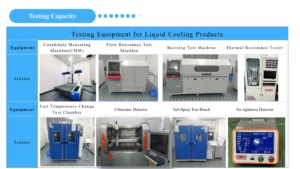
| Welding method | Transient liquid phase diffusion welding |
| Test pressure | 1 MPa (helium leak + nitrogen hold) |
| Working medium | PG25 (25% propylene glycol) |
| Custom design | Yes — DXF/STEP input accepted |
Frequently Asked Questions
Does ToneCooling offer OEM and ODM services?
Yes. ToneCooling provides full OEM and ODM services including custom design, prototyping, thermal simulation, and volume production. We serve customers in North America, Europe, and Asia-Pacific with engineering support and samples within 4–6 weeks.
What materials are used in ToneCooling liquid cold plates?
ToneCooling manufactures cold plates in aluminum (6061/6063), copper (C1100/C1020), and stainless steel. Aluminum FSW cold plates are ideal for high-volume EV and industrial applications, while copper brazed cold plates provide maximum thermal conductivity (398 W/m·K) for high heat flux electronics.
What is the typical lead time for custom cold plates?
Prototype samples are delivered within 4–6 weeks. Production orders typically ship within 6–8 weeks after sample approval. ToneCooling engineers review all quote requests and reply with clear next steps.
Get a Custom Thermal Solution from ToneCooling
ToneCooling is a professional liquid cooling solution provider specializing in custom cold plates, AIO coolers, and advanced thermal management systems. With ISO 9001:2015 certified manufacturing, we deliver prototype samples within 4–6 weeks. Contact ToneCooling today for a free consultation and quote.
For industry standards and best practices, refer to ASHRAE thermal guidelines.
Frequently Asked Questions
Does ToneCooling offer OEM and ODM services?
Yes. ToneCooling provides full OEM and ODM services including custom design, prototyping, thermal simulation, and volume production. We serve customers in North America, Europe, and Asia-Pacific with engineering support and samples within 4–6 weeks.
What materials are used in ToneCooling liquid cold plates?
ToneCooling manufactures cold plates in aluminum (6061/6063), copper (C1100/C1020), and stainless steel. Aluminum FSW cold plates are ideal for high-volume EV and industrial applications, while copper brazed cold plates provide maximum thermal conductivity (398 W/m·K) for high heat flux electronics.
What is the typical lead time for custom cold plates?
Prototype samples are delivered within 4–6 weeks. Production orders typically ship within 6–8 weeks after sample approval. ToneCooling engineers review all quote requests and reply with clear next steps.
Get a Custom Thermal Solution from ToneCooling
ToneCooling is a professional liquid cooling solution provider specializing in custom cold plates, AIO coolers, and advanced thermal management systems. With ISO 9001:2015 certified manufacturing, we deliver prototype samples within 4–6 weeks. Contact ToneCooling today for a free consultation and quote.
Need a Custom Liquid Cold Plate?
ToneCooling engineers design thermal solutions for your specific requirements. Get an engineering RFQ review based on your uploaded requirements.
Last Updated: 2026-04-08
References: ISO 9001