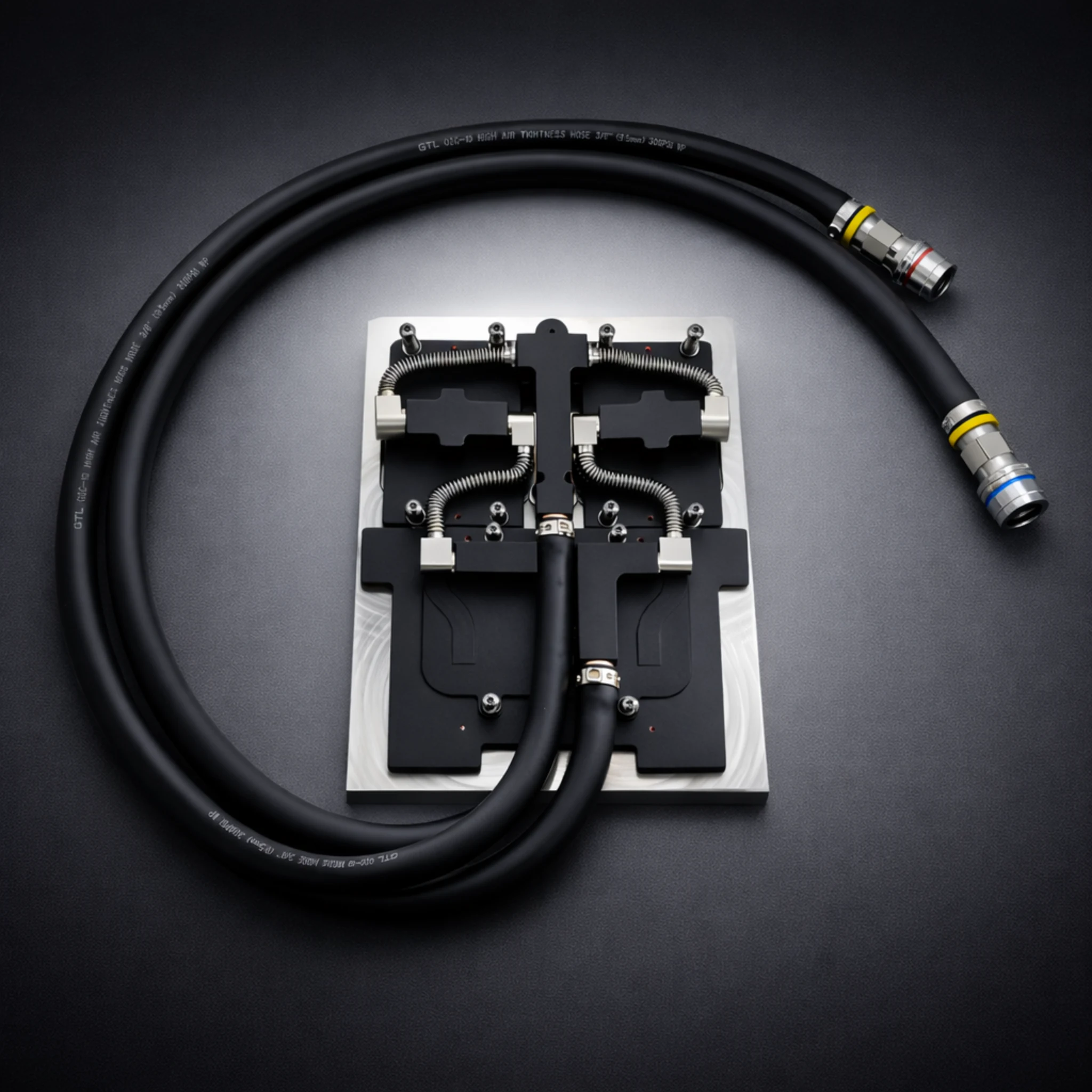
This comprehensive guide covers what causes cold plate solutions for industrial and OEM applications. ToneCooling provides expert insights on what causes cold plate technology and implementation.
Causes Cold Plate Blockages Fix is a high-performance thermal management solution engineered by ToneCooling for demanding applications.
Cold plate blockages hinder cooling systems by restricting fluid flow and heat transfer. You may notice reduced efficiency or equipment overheating. These blockages often arise from contaminants, scaling, or operational errors. Addressing them promptly protects your system from damage and ensures consistent performance.

What Is Causes Cold Plate Blockages Fix?
Reduced Cooling Efficiency and Uneven Temperature Distribution — What causes cold plate
One of the earliest signs of cold plate blockages is a noticeable drop in cooling efficiency. You might observe that the system struggles to maintain the desired temperature. Uneven temperature distribution across the cooling surface often accompanies this issue. This inconsistency can lead to hotspots, which may damage sensitive equipment or reduce overall system performance.
To confirm blockage as the cause, inspect the cooling system for any irregularities. Pay close attention to areas where cooling appears insufficient or inconsistent.
Irregular Flow, Pressure Drops, and Liquid Seepage — What causes cold plate
Blockages frequently disrupt the flow of fluids within the system. You may notice irregular flow patterns or a significant loss of flow. Pressure drops are another common symptom, as the fluid struggles to navigate through the obstructed pathways. In some cases, fluid leaking from the system can indicate a severe blockage or damage caused by excessive pressure buildup.
Monitoring flow rates and pressure levels can help you confirm blockage issues. Addressing these symptoms promptly prevents further damage to the system.
Overheating and Decreased Heat Transfer Efficiency
Overheating is a critical symptom of cold plate blockages. When the system cannot transfer heat effectively, temperatures rise, putting additional strain on components. This loss of heat transfer efficiency can lead to equipment failure if left unresolved. Insufficient airflow around the cooling plates may exacerbate the problem, further reducing performance.
To confirm blockage as the root cause, check for signs of overheating, such as unusually high operating temperatures or system alarms. Regular maintenance can help you avoid these issues and maintain optimal performance.
Causes of Cold Plate Blockages
Debris and Contaminants in Plate Heat Exchangers
Debris in the unit can significantly disrupt the performance of a plate heat exchanger. Particles like dirt, rust flakes, or other contaminants often enter the system through untreated fluids or improper filtration. These materials accumulate over time, leading to a blockage that restricts fluid flow. You may notice uneven cooling or reduced efficiency as a result.
To prevent debris in the unit, you should regularly inspect and clean the system. Installing high-quality filters and ensuring proper sealing during maintenance can also minimize potential blockages caused by contaminants.
Scaling, Mineral Deposits, and Plate Fouling
Scaling is one of the most common causes of fouling and scaling in plate heat exchangers. Hard water, rich in minerals like calcium and magnesium, leaves deposits on the plates. Over time, these deposits harden into scale, reducing heat transfer efficiency and causing fouling. Scaling not only affects performance but also increases the risk of a complete blockage.
You can address scaling by using water treatment methods such as softening or chemical additives. Regular cleaning of the plates helps remove mineral deposits before they solidify. Monitoring water quality is essential to prevent fouling and scaling from becoming a recurring issue.
Corrosion and Plate Fouling in Cooling Systems
Corrosion and plate fouling often occur together in cooling systems. Corrosion weakens the metal plates, creating rough surfaces where fouling can easily accumulate. This combination accelerates the formation of blockages, especially in systems exposed to harsh chemicals or poor-quality fluids.
To combat corrosion and plate fouling, you should use corrosion-resistant materials and maintain proper fluid chemistry. Routine inspections can help identify early signs of corrosion, allowing you to take corrective action before it leads to a blockage.
Operational Misuse and Design Flaws
Improper operation or design flaws can also contribute to cold plate blockages. Running the system outside its recommended parameters, such as exceeding flow rates or using incompatible fluids, increases the likelihood of fouling and scaling. Poorly designed plate heat exchangers may have areas where fluid stagnates, encouraging debris accumulation and scaling.
You can avoid these issues by following the manufacturer’s guidelines and ensuring proper installation. Consulting with experts during the design phase can help you identify and eliminate potential blockages caused by operational misuse or design errors.

Fixing and Preventing Cold Plate Blockages
Cleaning Methods for Plate Heat Exchangers
Effective cleaning methods play a crucial role in restoring the performance of a plate heat exchanger. Chemical cleaning involves using specialized solutions to dissolve scaling and fouling. These solutions target mineral deposits and contaminants without damaging the plates. Mechanical cleaning, on the other hand, uses tools like brushes or pressure washers to physically remove debris and buildup.
You should select cleaning methods based on the severity of the blockage and the type of fouling present. Combining chemical and mechanical approaches often yields the best results. Implementing a regular cleaning schedule ensures that scaling and fouling do not accumulate over time.
Regular Maintenance to Address Corrosion and Plate Fouling
Regular maintenance is essential for preventing corrosion and fouling in cooling systems. Inspections help you identify early signs of wear and tear, allowing you to address issues before they escalate into blockages. Maintenance tasks such as lubricating components, replacing worn seals, and checking fluid quality can significantly reduce the risk of fouling and scaling.
A proactive maintenance approach ensures that your system operates efficiently. Establishing a regular cleaning plan as part of your maintenance routine minimizes downtime and extends the lifespan of your plate heat exchanger.
Water Treatment and Fluid Quality Control
Water treatment is a critical step in preventing scaling and fouling. Hard water contributes to mineral deposits, which eventually lead to blockages. Using water softeners or chemical additives can reduce the concentration of minerals like calcium and magnesium. Fluid quality control involves monitoring the chemical composition of the cooling fluid to ensure it remains within acceptable parameters.
You should implement water treatment systems to prevent blockage and maintain optimal performance. Regular testing of fluid quality helps you detect potential issues early, reducing the likelihood of fouling and scaling.easure.
Proper Installation and Operational Adjustments
Proper installation ensures that your plate heat exchanger functions as intended. Incorrect installation can create areas of fluid stagnation, increasing the risk of fouling and scaling. Operational adjustments, such as maintaining recommended flow rates and using compatible fluids, help prevent blockage and improve system efficiency.
You should consult with experts during installation to avoid design flaws. Regularly reviewing operational parameters ensures that your system remains within its optimal range, reducing the chances of fouling and scaling.
Conclusion
Addressing cold plate blockages promptly ensures your cooling system operates efficiently. Ignoring a blockage can lead to overheating, gasket failure, or even permanent damage. Regular maintenance, such as cleaning and inspections, minimizes risks. Monitoring for gasket failure and ensuring proper fluid quality prevents recurring blockages. Proactive care extends the lifespan of your equipment.

For industry standards and best practices, refer to ASHRAE thermal guidelines.
| Parameter | ToneCooling Specification |
|---|---|
| Material | Copper T2 / 6061 aluminum |
| Welding | TLP diffusion welding |
| Test pressure | 1 MPa (He leak + N₂ hold) |
| Coolant | PG25 (25% propylene glycol) |
| Custom design | Yes — DXF/STEP accepted |
Frequently Asked Questions
Does ToneCooling offer OEM and ODM services?
Yes. ToneCooling provides full OEM and ODM services including custom design, prototyping, thermal simulation, and volume production. We serve customers in North America, Europe, and Asia-Pacific with engineering support and samples within 2–4 weeks.
What materials are used in ToneCooling liquid cold plates?
ToneCooling manufactures cold plates in aluminum (6061/6063), copper (C1100/C1020), and stainless steel. Aluminum FSW cold plates are ideal for high-volume EV and industrial applications, while copper brazed cold plates provide maximum thermal conductivity (398 W/m·K) for high heat flux electronics.
What is the typical lead time for custom cold plates?
Prototype samples are delivered within 2–4 weeks. Production orders typically ship within 4–6 weeks after sample approval. ToneCooling responds to all quote requests within 24 business hours.
Get a Custom Thermal Solution from ToneCooling
ToneCooling is a professional liquid cooling solution provider specializing in custom cold plates, AIO coolers, and advanced thermal management systems. With ISO 9001:2015 certified manufacturing, we deliver prototype samples within 2–4 weeks. Contact ToneCooling today for a free consultation and quote — we respond within 24 business hours.
Industry References & Standards
Need a Custom Liquid Cold Plate?
ToneCooling engineers design thermal solutions for your specific requirements. Get an engineering RFQ review based on your uploaded requirements.
Last Updated: 2026-04-08
DR Kevin, Thermal Engineer, ToneCooling