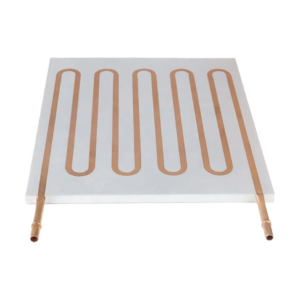
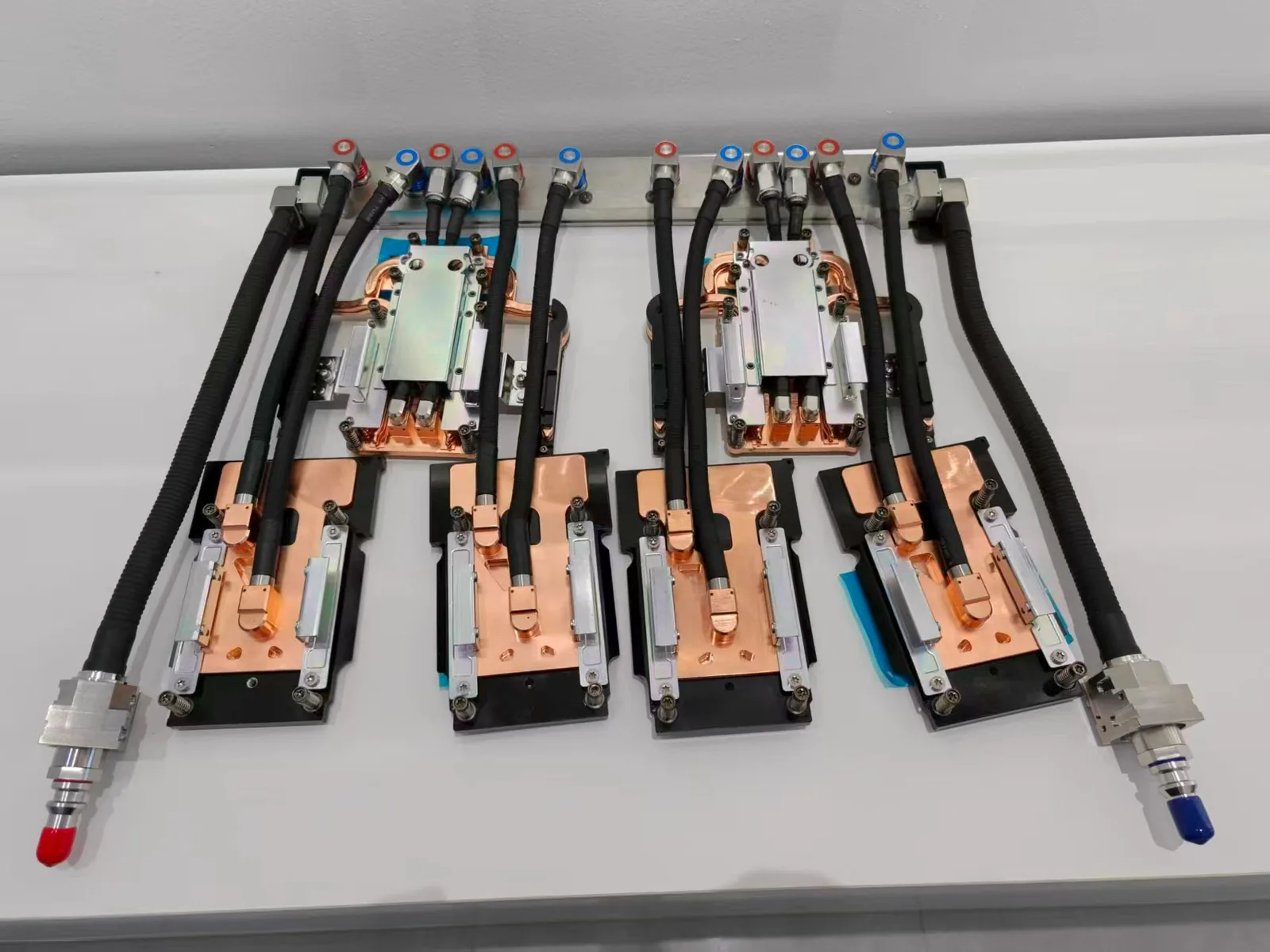
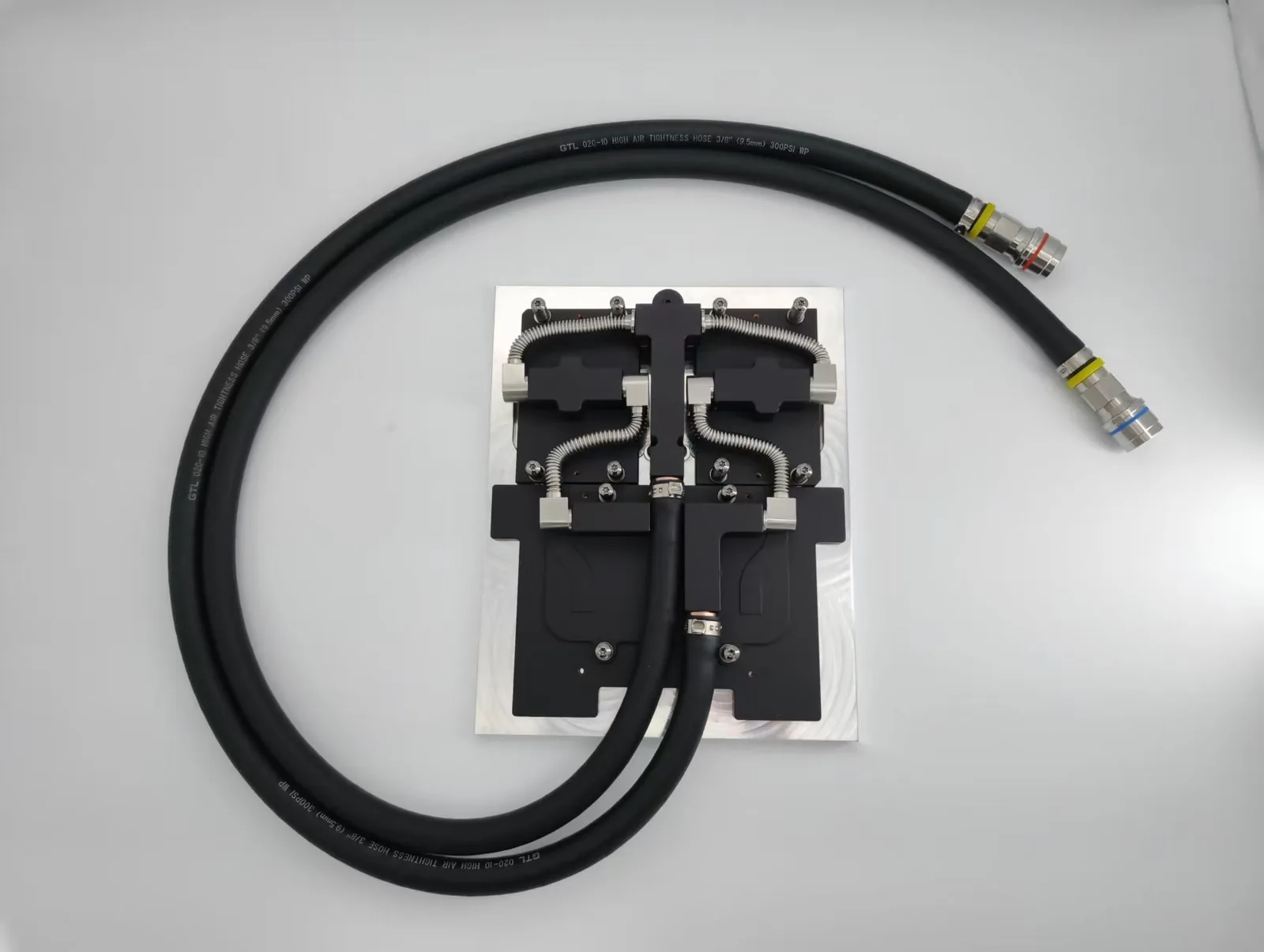
Liquid-cooled GPUs are worth it when you need sustained high performance, high density or low noise, because coolant removes heat more effectively than air. ToneCooling designs custom GPU cold plates and supplies standard AI server kits.
A liquid cooled gpu delivers unmatched thermal efficiency, ensuring your hardware stays cool during intense workloads. This advanced cooling method enhances gpu performance, enabling smoother gaming or rendering experiences. While the technology demands a higher investment and regular upkeep, its ability to reduce noise and support overclocking makes it a compelling choice for enthusiasts.

Thermal Management Advantages
Liquid-cooled GPUs excel in thermal management. By using liquid as a heat transfer medium, they dissipate heat more efficiently than traditional air-cooled systems. This ensures the GPU operates at optimal temperatures, even during demanding tasks like gaming or rendering. Lower temperatures not only enhance performance but also extend the lifespan of the graphics hardware.
The ability to watercool a GPU provides consistent cooling under heavy workloads. Unlike air cooling, which can struggle with heat spikes, liquid-cooled systems maintain stable temperatures. This makes them ideal for users who push their GPUs to the limit, whether for gaming performance or professional applications.
Overclocking Potential
Overclocking becomes more accessible and reliable with GPU liquid cooling. Lower temperatures allow the GPU to handle higher clock speeds without overheating. This results in noticeable performance gains, especially in graphics-intensive tasks. Enthusiasts often choose liquid cooling to unlock the full potential of their hardware.
A custom liquid cooling setup can further enhance overclocking capabilities. By tailoring the cooling system to the specific GPU, users can achieve higher stability and better results. This makes liquid-cooled GPUs a preferred choice for those who demand peak performance from their PCs.
Noise Reduction
Liquid-cooled GPUs offer a quieter computing experience. Traditional air cooling relies on fans, which can become noisy under heavy loads. In contrast, liquid cooling reduces the need for high-speed fans, minimizing noise levels. This creates a more pleasant environment for gaming or work.
For users seeking silent systems, liquid-cooled GPUs are an excellent option. The reduced noise does not compromise performance, making them suitable for both casual users and professionals. Whether gaming or editing graphics, the quiet operation enhances the overall experience.
Cost Analysis of GPU Liquid Cooling
Upfront Costs
Investing in a liquid cooled gpu involves higher initial expenses compared to traditional air cooling systems. The cost of a liquid cooling solution includes components like radiators, pumps, and tubing, which can quickly add up. Pre-built liquid-cooled GPUs often come at a premium price due to their advanced design and enhanced thermal performance.
For those who prefer to watercool a gpu using a custom setup, the costs can escalate further. Custom cooling systems allow users to tailor the setup to their specific needs, but they require additional components and expertise. While the upfront investment may seem steep, it provides significant benefits for users seeking top-tier graphics card performance.
Air Cooling vs. Liquid Cooling
Air cooling remains the most common choice for GPUs due to its affordability and simplicity. However, liquid cooling offers distinct advantages in terms of temperature control and noise reduction. Air coolers rely on fans, which can become noisy and less effective under heavy workloads. In contrast, liquid cooling systems maintain consistent temperatures, even during demanding tasks.
When comparing the two, liquid cooling provides better thermal performance and allows for higher performance boosts through overclocking. This makes it a preferred choice for gamers and professionals who push their PCs to the limit. While air cooling is sufficient for casual users, those who demand more from their graphics hardware should consider the benefits of gpu liquid cooling.
Long-Term Value
The long-term value of a liquid cooled gpu lies in its ability to enhance performance and extend the lifespan of the graphics card. By keeping the GPU at lower temperatures, liquid cooling reduces wear and tear on the hardware. This can result in fewer repairs or replacements over time, offsetting the higher initial costs.
Additionally, liquid cooling systems often provide a quieter and more efficient computing experience. For users who prioritize performance and reliability, the investment in a liquid cooling solution can pay off in the long run. Whether for gaming, professional graphics work, or custom PC builds, the benefits of liquid cooling make it a worthwhile consideration for those seeking maximum value.

Practicality and Maintenance of Liquid-Cooled GPUs
Installation Challenges
Installing a liquid cooled gpu can be a daunting task for beginners. Unlike air-cooled systems, liquid cooling requires assembling multiple components such as pumps, radiators, and tubing. Each part must fit perfectly to ensure the cooling system works efficiently.
For those who want to watercool a gpu using a custom setup, the process becomes even more complex. It demands precise measurements and careful planning to avoid errors.
Pre-built liquid cooling solutions simplify installation but still require attention to detail. Users must ensure proper connections and secure fittings to prevent leaks. While the process may seem intimidating, many enthusiasts find the effort worthwhile for the enhanced graphics performance and cooling efficiency.
Maintenance Needs
Maintaining a liquid cooling system involves more effort than traditional air cooling. Users must regularly check for dust buildup in radiators and ensure the pump operates smoothly. Over time, the coolant may degrade or evaporate, requiring periodic refills or replacements. Neglecting maintenance can lead to reduced cooling performance and potential damage to the gpu.
Custom setups demand even more attention. Tubing and fittings should be inspected for wear and tear, and the entire system may need flushing to remove debris. While these tasks require time and effort, they are essential for keeping the graphics card in peak condition.
Risks of Leaks or Failures
Liquid cooling systems carry the risk of leaks, which can damage the gpu and other PC components. Poor installation or worn-out seals often cause leaks. Even pre-built systems are not immune to this issue. Regular inspections and proper installation reduce the likelihood of such failures.
Despite these risks, many users still choose gpu liquid cooling for its unmatched thermal performance. Modern cooling solutions are designed with safety features to minimize leaks. For those willing to invest in quality components and proper maintenance, the benefits outweigh the potential drawbacks.
Who Should Consider a Liquid-Cooled GPU?
1. 3D Rendering & Animation Studios
Studios working with complex 3D scenes in software like Blender, Maya, or Cinema 4D often render for hours or even days. A liquid-cooled GPU ensures stable performance without thermal throttling, which directly affects rendering time and output quality. For animation houses managing multiple workstations, consistent cooling is critical to meeting deadlines.
2. Video Editing & Post-Production Teams
High-resolution video editing, color grading, and visual effects work—especially in 4K or higher—demand sustained GPU performance. Teams using Adobe Premiere Pro, DaVinci Resolve, or After Effects benefit from liquid-cooled GPUs that reduce rendering time and system noise, improving both speed and working conditions.
3. Architecture & Engineering Firms (AEC)
Firms using BIM tools like Revit, Rhino, or ArchiCAD, along with GPU-accelerated rendering engines like Lumion or V-Ray, can experience better viewport responsiveness and faster final renders with liquid cooling. This is especially helpful when presenting real-time walkthroughs to clients or collaborating on large-scale models.
4. AI & Machine Learning Teams
Training deep learning models with large datasets requires GPUs to run at full load for extended periods. Data science departments and AI startups using TensorFlow, PyTorch, or CUDA-based tools need thermal stability to avoid training interruptions. Liquid cooling helps maintain full GPU utilization over time without performance drops.
5. Simulation & Scientific Research Labs
Whether it’s fluid dynamics simulations, medical imaging, or real-time environmental modeling, researchers working in scientific computing rely on GPU clusters that generate high thermal loads. Liquid cooling enhances system stability and lifespan, especially in labs running continuous simulations or batch workloads.
6. Game Development Studios
Real-time engine developers working with Unreal Engine or Unity often need powerful GPUs for compiling shaders, testing builds, and rendering environments. A liquid-cooled GPU supports smoother testing cycles and can handle demanding assets without overheating, improving productivity for game dev teams.
7. Industrial Design & Manufacturing R&D
Designers and engineers working with simulation-driven CAD software like SolidWorks, ANSYS, or Autodesk Inventor can benefit from consistent GPU performance when performing stress analysis or generative design. Liquid cooling allows for longer design iterations without lag.

Looking for GPU liquid cooling solutions for your team?
ToneCooling provides high-performance liquid cooling solutions such as cold plates and AIO coolers for GPUs. From prototype to production, our factory offers end-to-end support—including design consultation, manufacturing, and OEM customization.
With a skilled technical team and advanced production equipment, we ensure fast, high-volume manufacturing and on-time delivery. Our molds are compatible with standard GPU sizes on the market, and we also offer fully customized solutions based on your technical drawings or specifications.
For industry standards and best practices, refer to ASHRAE thermal guidelines.
Frequently Asked Questions
Are water-cooled GPUs worth it?
Water-cooled GPUs are worth it when you need lower temperatures, quieter operation, or sustained performance under long, heavy workloads such as AI training, rendering, or dense multi-GPU systems. For typical gaming at moderate power, a good air cooler is usually enough and costs less.
Is an AIO water cooler good for a GPU?
An AIO water cooler is a good option for a GPU when the case can fit its radiator and you want lower temperatures and less fan noise without building a custom loop. It needs no refilling, but the pump adds a moving part that can wear over time.
Is liquid cooling better than air cooling for GPUs?
Liquid cooling generally removes GPU heat more effectively than air cooling because water carries far more heat than air, so temperatures stay lower at the same noise level. Air cooling remains simpler, cheaper, and free of any leak risk.
Does ToneCooling make liquid cold plates for data center GPUs?
Yes. ToneCooling builds direct-to-chip cold plates for data center GPUs, including standard GB300 4G+2C, GB200, and H200 platform-compatible cold plates, plus custom designs for other GPUs. An engineer reviews every RFQ and replies by email with next steps.
Get a Custom Thermal Solution from ToneCooling
ToneCooling is a professional liquid cooling solution provider specializing in custom cold plates, AIO coolers, and advanced thermal management systems. With ISO 9001 quality management and our own manufacturing facility in Huizhou, China, we deliver prototype samples typically within 4–6 weeks. Contact ToneCooling today for a free consultation and quote. An engineer reviews every RFQ and replies by email with next steps.
Industry References & Standards
Why Choose ToneCooling for Liquid Cooled GPU Worth It
Engineering review and prototype planning are based on the project requirements. Custom prototype lead time is normally 4–6 weeks after drawing approval and order confirmation; confirm the production schedule in the quotation.
Need a Custom Liquid Cold Plate?
ToneCooling engineers review your drawings and requirements and reply by email with next steps.
Last updated: 2026-10-02