A cold plate in a water-cooled computer transfers heat from the CPU or GPU into coolant flowing through its internal channels, which carries the heat to a radiator. ToneCooling designs cold plates for servers and industrial computers.
With increasingly complex and power-intensive server workloads, air-based traditional thermal solutions begin to fall behind. Enterprise-grade of today’s computing systems run in extreme conditions, and without effective thermal management, performance throttles back, system stability degrades, and power consumption surges. For an overview of designs and standard kits, see our liquid cold plates page.
Liquid cooling – specifically through cold plate -has proven to be a powerful solution. But how does it actually function? And why is it gaining popularity as the norm for data centers and high-performance computing operations?
Let’s delve deeper and understand how a cold plate works in water cooling computers & why this technology is transforming the world of server infrastructure into the future.

Overview
Structure and Function of a Cold Plate
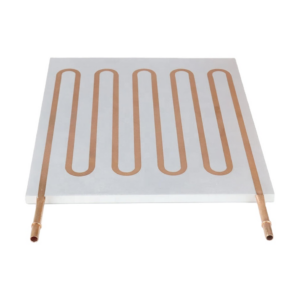
A cold plate is a flat metal component made of highly conductive materials such as copper or aluminum. It sits directly on top of the CPU or GPU surface to efficiently transfer heat. Inside the cold plate, there are channels where coolant (water) flows through. These channels carry away the heat absorbed from the processor. The design focuses on maximizing contact area with the chip and optimizing coolant flow paths to ensure fast and even heat transfer, keeping the processor temperature within safe limits.
Position of the Cold Plate in a Water Cooling System
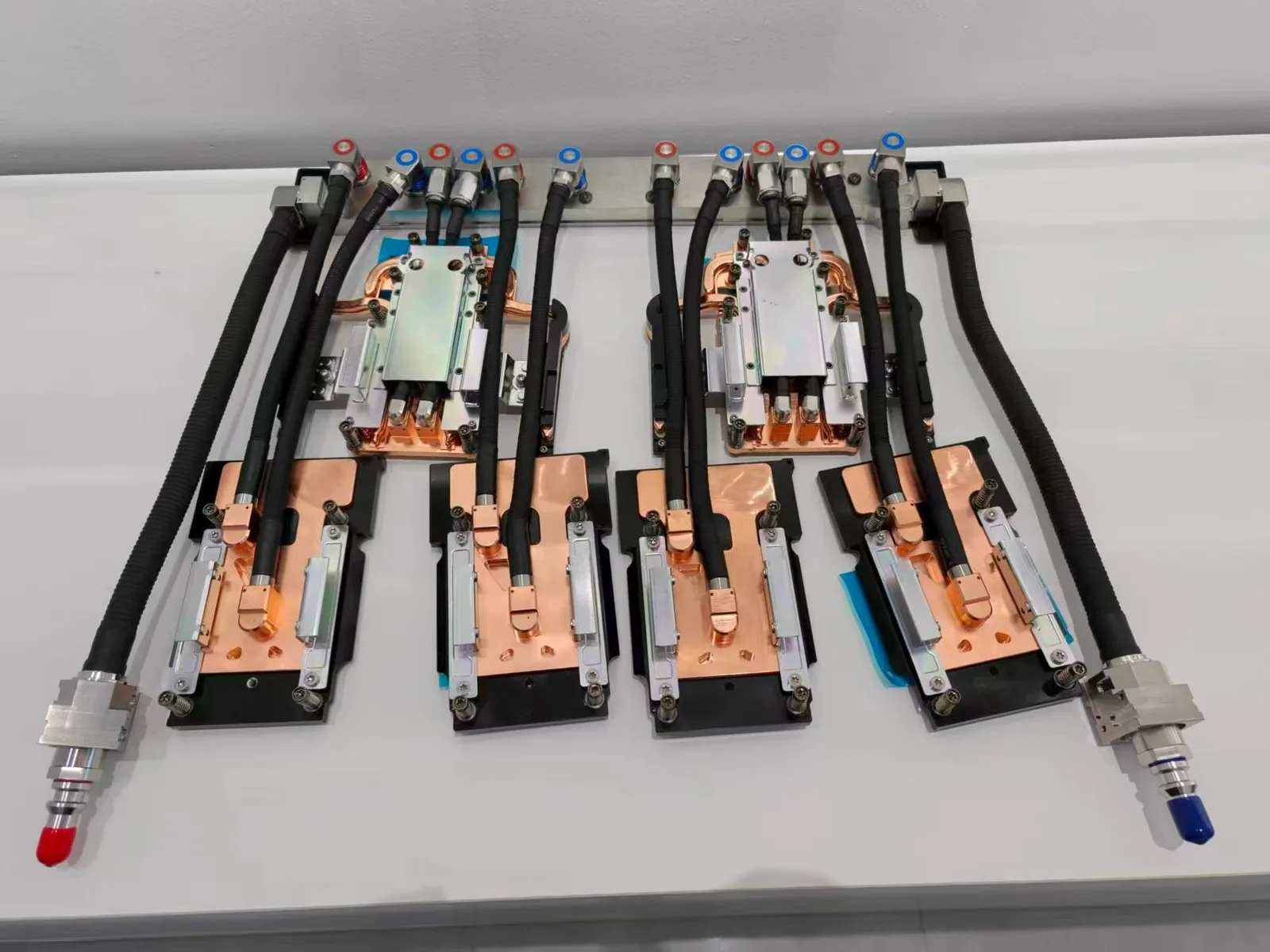
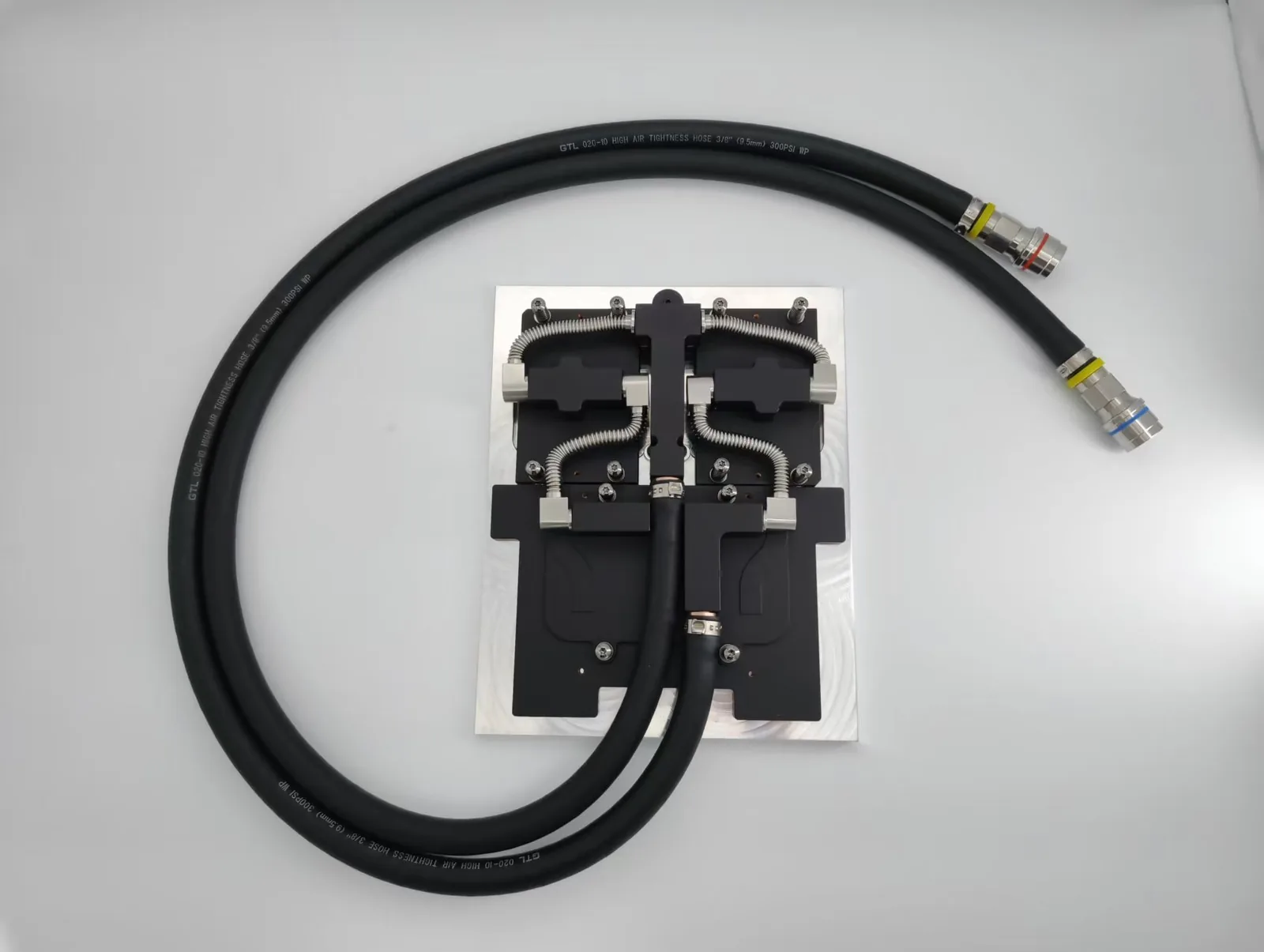
Cold plate is an essential part of a water cooling system. It is mounted directly on the hottest parts of the computer, typically the CPU or GPU surface. As the very first point of contact between the heat source and the cooling system, the cold plate is crucial for heat transfer. Many manufacturers and users also call it the water block. It quickly transfers heat from the component into the cooling liquid flowing inside the block. This heat transfer efficiency is vital—if the cold plate doesn’t perform well, the entire cooling system suffers. The material and build quality of the cold plate heavily affect its heat conduction performance and the system’s overall reliability.
Other key components in a water cooling system include:
- Coolant: Carries heat away from the cold plate as it circulates through the system.
- Pump: Drives coolant flow, moving heat from the cold plate to the radiator.
- Radiator: Releases heat from the coolant into the surrounding air.
- Fans: Increase airflow over the radiator to improve heat dissipation.
- Tubes: Connect all components, ensuring smooth coolant circulation.
The rest of the system’s parts handle moving that heat away and dumping it into the air. Without a properly functioning cold plate, heat won’t be absorbed efficiently from the CPU or GPU, and cooling will fail.
How Does a Cold Plate Work?
Heat Absorption Process
Cold plate is to transfer heat from essential components such as CPUs or GPUs, which become extremely hot when under heavy loads. Rather than using fans to blow air and cool them, this employs liquid to perform the work more efficiently. It is placed directly on top of the processor. To assist it in making better contact & transferring heat more quickly, a thin layer of thermal paste is used between it and the chip. This assists in ensuring the heat flows directly into the plate without becoming stuck in small air gaps.
Within the cold plate, there are small channels or grooves. Cool liquid – often a special type of water or a water-glycol solution – passes through these channels. As this crosses through the plate, it absorbs the heat of the metal. Once it becomes warm, it leaves the cold plate and crosses through tubes to a radiator or cooling unit. There, it releases the heat into the air and becomes cool again. Then, the liquid is sent back to the cold plate to repeat the cycle.
This continuous flow maintains the computer components at a consistent, secure temperature. It prevents overheating and keeps the system functioning optimally, even when performing intense tasks. This is particularly valuable in high-end systems where normal fans simply can’t manage.
Thermal Conductivity and Performance of Cold Plates
Cold plates function by transferring heat from electronic components to circulating coolant, and their performance largely depends on thermal conductivity. Materials with higher conductivity, such as copper or aluminum, allow faster heat absorption and transfer, minimizing thermal resistance between the heat source and coolant. The internal design—such as channels or fins—also plays a key role in enhancing contact area and promoting efficient fluid flow. Together, material and structure determine how effectively the cold plate maintains low temperatures under continuous or high-load conditions, directly influencing overall cooling system stability and performance.

Types of Cold Plates Used in Water Cooling
Copper Cold Plates
Copper offers excellent thermal conductivity, making it ideal for applications requiring superior heat dissipation. However, copper cold plates are heavier and more expensive compared to other materials. Their corrosion resistance is moderate, often needing protective coatings.
Aluminum Cold Plates
Aluminum is lightweight and more cost-effective. It provides decent thermal conductivity but is less efficient than copper. Aluminum cold plates are easier to machine and suitable for applications where weight and cost are more critical than maximum heat transfer.
CNC Machined Cold Plates
CNC machining involves precisely milling or drilling cold plates from solid metal blocks. This process allows for complex microchannel designs that enhance cooling performance. CNC machined cold plates offer high precision and are favored in high-end applications but come with higher production costs.
Welded Cold Plates
Welded cold plates consist of multiple metal sheets joined together through welding. This method provides strong structural integrity and good sealing performance, making it suitable for high-pressure systems. Welded plates are generally less expensive to produce in large quantities but offer less design flexibility.
Choosing the Right Cold Plate
When selecting a cold plate for your water cooling system, consider the following factors:
- Thermal performance requirements
- Budget constraints
- Weight limitations
- Production volume
- Application environment (corrosive, high pressure, etc.)

Why Choose a Custom-Made Cold Plate for Computer Cooling?
Standard cold plates often fail to handle the specific heat load and layout of high-performance computer systems. A custom-made cold plate offers efficient, targeted cooling tailored to your exact hardware configuration—delivering better thermal performance and system stability.
With a custom cold plate, you can:
- Align perfectly with CPU, GPU, and VRM positions for maximum heat transfer.
- Optimize internal flow paths to eliminate hotspots and maintain even cooling.
- Match the size, thickness, and mounting pattern to fit compact or unconventional PC cases.
- Select materials like copper or aluminum based on thermal needs and budget.
- Integrate complex internal structures—such as microchannels or serpentine paths—for improved coolant flow.
- Enhance the overall build aesthetics, especially in custom loops or modded systems.
- Reduce space and weight, which is critical in small form factor or high-density builds.
Conclusion
Water cooling is critical in any high-performance computers. By transferring heat directly from CPUs or GPUs into circulating coolant, cold plates maintain safe operating temperatures even under extreme workloads. Compared to traditional air cooling, cold plates offer more consistent performance, quieter operation, and better space efficiency. Choosing the right cold plate—optimized for material, structure, and application—is essential for building a stable and efficient thermal management solution.
Looking for Custom Cold Plates? Partner with ToneCooling Today
ToneCooling provides custom cold plate manufacturing and complete water cooling systems tailored for computer cooling needs. We support prototype orders from 1 piece, making us an ideal partner for computer manufacturers.
👉 Send us your drawings or design requirements today to receive a fast quote and technical support.
With ToneCooling, you get cooling solutions engineered for performance and built with precision.
For industry standards and best practices, refer to ASHRAE thermal guidelines.
Frequently Asked Questions
Does ToneCooling offer OEM and ODM services?
Yes. ToneCooling provides full OEM and ODM services including custom design, prototyping, thermal simulation, and volume production. We serve customers in North America, Europe, and Asia-Pacific with engineering support and samples within 4–6 weeks.
What materials are used in ToneCooling liquid cold plates?
ToneCooling manufactures cold plates in aluminum (6061/6063), copper (C1100/C1020), and stainless steel. Aluminum FSW cold plates are ideal for high-volume EV and industrial applications, while copper cold plates provide the highest thermal conductivity for high heat flux electronics.
What is the typical lead time for custom cold plates?
Prototype samples are delivered within 4–6 weeks. Production orders typically ship within 6–8 weeks after sample approval. An engineer reviews every RFQ and replies by email with next steps.
Get a Custom Thermal Solution from ToneCooling
ToneCooling is a professional liquid cooling solution provider specializing in custom cold plates, AIO coolers, and advanced thermal management systems. With ISO 9001 quality management and our own manufacturing facility in Huizhou, China, we deliver prototype samples typically within 4–6 weeks. Contact ToneCooling today for a free consultation and quote. An engineer reviews every RFQ and replies by email with next steps.
Industry References & Standards
Why Choose ToneCooling for Semiconductor Test Fixture Cold Plate
Engineering review and prototype planning are based on the project requirements. Custom prototype lead time is normally 4–6 weeks after drawing approval and order confirmation; confirm the production schedule in the quotation.
Need a Custom Liquid Cold Plate?
ToneCooling engineers review your drawings and requirements and reply by email with next steps.
Last updated: 2026-10-02
Related guides
- What is a cold plate — definition, how it works, main types
- Types of cooling plates — tubed, machined, brazed, FSW, microchannel
- Cold plate heat exchanger — solid-to-liquid vs plate heat exchangers
- Heat sink vs cold plate — when to move from air to liquid
- Custom liquid cold plates — processes, kits and datasheets