Battery cold plates are essential components in managing heat generated by batteries during operation. By efficiently transferring heat away from battery cells, they help maintain optimal performance, extend battery life, and improve safety. This guide explains how battery cold plates work, their types, key benefits, and practical considerations for choosing the right solution. Understanding these systems is crucial for anyone working with batteries in industrial applications, energy storage, or specialty electronics.

Battery Cold Plate Basics
What Is a Battery Cold Plate
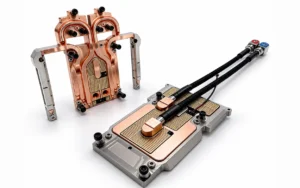
A battery cold plate is a device that helps control the temperature of a battery. Engineers design the battery cold plate to transfer heat away from the battery cells. The battery cooling plate uses materials like aluminum or copper because they move heat quickly.
Note: Battery cold plates often sit directly under or between battery cells to maximize contact and cooling efficiency.
The battery cooling plate forms part of battery thermal management systems. These systems keep batteries working safely and efficiently. A liquid cooling plate can also be used in some designs to improve heat removal.
Why Battery Temperature Matters — Battery cold plate
Battery temperature affects how well a battery works and how long it lasts. High temperatures can damage battery cells and reduce their lifespan. Low temperatures can slow down chemical reactions inside the battery and lower performance.
A battery cooling plate helps prevent overheating and keeps the battery at a safe temperature. Engineers use battery cold plates to avoid safety risks like fires or leaks. Consistent temperature control supports reliable operation in electric vehicles and energy storage systems.
How Battery Cooling Plates Work — Battery cold plate
Materials Used — Battery cold plate
Engineers select materials with high thermal conductivity for battery cold plates. Aluminum and copper transfer heat quickly and help maintain stable battery temperatures. These metals improve the thermal performance of the thermal management system.
| Material | Thermal Conductivity | Common Use |
|---|---|---|
| Aluminum | High | EVs, energy storage |
| Copper | Very High | Specialized systems |
Aluminum offers a lightweight solution for most battery applications. Copper provides even better thermal performance but costs more.
Cooling Methods
Battery cold plates use different cooling methods to remove heat. Most systems rely on liquid cooling or air cooling to keep battery cells safe. Liquid cooling systems circulate coolant through channels in the liquid cooling plate.
Tip: Liquid cooling systems deliver better temperature control than air cooling.
Liquid cooling plates help maintain uniform temperatures across the battery pack. Air cooling works for smaller systems but may not provide enough thermal performance for large battery packs.
Temperature Range
A thermal management system keeps battery temperatures within a safe range. Most battery packs operate best between 20°C and 40°C. The thermal management system uses sensors and controls to adjust cooling as needed.
Temperature uniformity protects battery cells from overheating or cold spots. Engineers design liquid cooling plates to achieve consistent thermal performance throughout the battery pack.
Types of Battery Cooling Plates
Battery cooling plate structures come in several forms. Each design offers unique benefits for different battery applications. Engineers select the best type based on performance needs and space limitations.
Stamped Designs
Stamped designs use thin sheets of metal shaped by pressing or stamping. These plates often feature internal channels that allow coolant to flow through the structure. Stamped cooling plates provide good thermal contact with battery cells and work well in compact spaces.
Note: Stamped designs offer a cost-effective solution for many electric vehicle and energy storage systems.
Manufacturers often choose stamped plates for large battery packs. The lightweight nature of these plates helps reduce overall system weight.
Extruded Designs
Extruded designs use a process that pushes metal through a shaped die. This method creates long, continuous channels for coolant flow. Extruded cooling plates deliver strong mechanical strength and excellent heat transfer.
Engineers use extruded plates in applications that require high durability. These plates handle higher pressures and suit heavy-duty battery systems.
Harp Tube Designs
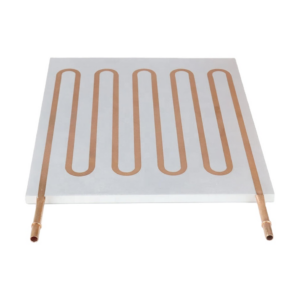
Harp tube designs use a series of parallel tubes arranged like the strings of a harp. Coolant flows through these tubes, removing heat from the battery cells. This structure allows for flexible layouts and efficient cooling.
Tip: Harp tube designs work well in custom battery packs with unique shapes.
Engineers often select harp tube plates for specialized energy storage or industrial systems. The design adapts to different battery sizes and configurations.
Integration with Battery Packs
Application in Electric Vehicles
Engineers use battery cold plates in electric vehicles to manage heat. They place the cold plate between or under the battery cells. This design helps remove heat quickly and keeps the battery at a safe temperature.
The integration with battery packs in electric vehicles improves safety and performance. Temperature uniformity across the battery pack prevents hot spots and reduces the risk of overheating. Many electric vehicles rely on this system for reliable operation.
Use in Energy Storage Systems
Energy storage systems need stable temperatures for long-term use. Engineers install cold plates to control heat and protect the battery from damage. These systems often run for many hours, so cooling becomes very important.
Cold plates help maintain the right temperature for each battery cell. This setup supports consistent energy output and extends the life of the battery. Energy storage systems benefit from better efficiency and safety.
Industrial Uses
Industrial machines and backup power units also use battery cold plates. These systems may operate in harsh environments or under heavy loads. Cold plates keep the battery cool and prevent failures.
Engineers design cold plates to fit different battery sizes and shapes. They focus on temperature uniformity to ensure every cell works well. Industrial applications need strong and reliable cooling solutions.
Note: Proper cooling in all these applications helps batteries last longer and work safely.

Benefits for Battery Performance
Enhanced Safety
Battery cold plates play a key role in preventing overheating. They move heat away from battery cells quickly. This process lowers the risk of fires or leaks.
Safety improves when engineers use liquid cooling. The system keeps temperatures stable even during heavy use.
A strong heat dissipation capability helps protect the battery from damage. Consistent cooling supports safe operation in electric vehicles and energy storage systems.
Longer Battery Life
Stable temperatures help extend battery life. When battery cells stay cool, they avoid stress and wear. Liquid cooling systems keep each cell within the ideal range.
- Uniform cooling reduces the chance of hot spots.
- Cells last longer when they do not overheat.
- Battery performance remains steady over time.
Engineers see fewer failures and less need for replacement. This benefit saves money and resources.
Improved Efficiency
Liquid cooling plates boost battery performance by keeping temperatures even. Batteries work best when all cells operate at the same temperature. This uniformity leads to better energy output and faster charging.
| Benefit | Impact on Battery Performance |
|---|---|
| Even temperature | Higher efficiency |
| Fast heat removal | Reliable operation |
| Less energy loss | Improved output |
Efficient cooling means batteries deliver more power when needed.
Liquid cooling also helps maintain battery performance in extreme conditions. This advantage supports both daily use and demanding applications.
Conclusion
Battery Cold Plate is a precision-engineered thermal management component designed for high-power electronics cooling. ToneCooling provides battery cold plate solutions validated for AI server, data center, EV battery, and power electronics applications.
Battery cold plates play a critical role in keeping batteries cool, safe, and efficient. From liquid-cooled to air-cooled designs, each type offers unique advantages for different applications. Selecting the right cold plate and maintaining it properly ensures reliable battery performance and longevity. As technology advances, battery cold plates will continue to evolve, offering better efficiency, innovative materials, and smarter thermal management solutions.
For industry standards and best practices, refer to ASHRAE thermal guidelines.
Frequently Asked Questions
Does ToneCooling offer OEM and ODM services?
Yes. ToneCooling provides full OEM and ODM services including custom design, prototyping, thermal simulation, and volume production. We serve customers in North America, Europe, and Asia-Pacific with engineering support and samples within 6–8 weeks.
What materials are used in ToneCooling liquid cold plates?
ToneCooling manufactures cold plates in aluminum (6061/6063), copper (C1100/C1020), and stainless steel. Aluminum FSW cold plates are ideal for high-volume EV and industrial applications, while copper brazed cold plates provide maximum thermal conductivity (398 W/m·K) for high heat flux electronics.
What is the typical lead time for custom cold plates?
Prototype samples are delivered within 6–8 weeks. Production orders typically ship within 4–6 weeks after sample approval. ToneCooling responds to all quote requests within 24 business hours.
Get a Custom Thermal Solution from ToneCooling
ToneCooling is a professional liquid cooling solution provider specializing in custom cold plates, AIO coolers, and advanced thermal management systems. With ISO 9001:2015 certified manufacturing, we deliver prototype samples within 6–8 weeks. Contact ToneCooling today for a free consultation and quote — we respond within 24 business hours.
For industry standards and best practices, refer to ASHRAE thermal guidelines.
Frequently Asked Questions
Does ToneCooling offer OEM and ODM services?
Yes. ToneCooling provides full OEM and ODM services including custom design, prototyping, thermal simulation, and volume production. We serve customers in North America, Europe, and Asia-Pacific with engineering support and samples within 6–8 weeks.
What materials are used in ToneCooling liquid cold plates?
ToneCooling manufactures cold plates in aluminum (6061/6063), copper (C1100/C1020), and stainless steel. Aluminum FSW cold plates are ideal for high-volume EV and industrial applications, while copper brazed cold plates provide maximum thermal conductivity (398 W/m·K) for high heat flux electronics.
What is the typical lead time for custom cold plates?
Prototype samples are delivered within 6–8 weeks. Production orders typically ship within 4–6 weeks after sample approval. ToneCooling responds to all quote requests within 24 business hours.
Get a Custom Thermal Solution from ToneCooling
ToneCooling is a professional liquid cooling solution provider specializing in custom cold plates, AIO coolers, and advanced thermal management systems. With ISO 9001:2015 certified manufacturing, we deliver prototype samples within 6–8 weeks. Contact ToneCooling today for a free consultation and quote — we respond within 24 business hours.
Need a Custom Liquid Cold Plate?
ToneCooling engineers design thermal solutions for your specific requirements. Get an engineering RFQ review based on your uploaded requirements.
Why Choose ToneCooling for Battery Cold Plate Manufacturer
Engineering review and prototype planning are based on the project requirements. Custom prototype lead time is normally 6–8 weeks after drawing approval and order confirmation; confirm the production schedule in the quotation.
Need a Custom Liquid Cold Plate?
ToneCooling engineers design thermal solutions for your requirements. Response within 24-48 hours.
Last Updated: 2026-04-08
References: ISO 9001
Related articles