EV battery cooling works by pumping a coolant through cold plates under or between the cells, so heat from charging and driving is carried to a radiator or chiller and the cells stay inside their safe temperature window with small differences between them. ToneCooling designs and builds custom aluminum battery cold plates for EV and energy storage packs.
Electric vehicle batteries generate a significant amount of heat during charging and operation. Without proper cooling, this heat can damage cells, reduce performance, and shorten battery lifespan.
Cooling systems are designed to control temperature, keeping batteries within a safe operating range. Understanding how these systems work helps explain why modern EVs can deliver both efficiency and safety on the road.

How Does EV Battery Cooling Work?
Overheating Risks
Electric vehicle batteries generate heat during charging and discharging. If the temperature rises too high, the battery can overheat. Overheating may cause damage to the battery cells and reduce their lifespan.
High temperatures can also increase the risk of thermal runaway, which is a dangerous chain reaction inside the battery.
This makes the importance of battery cooling clear for every electric vehicle.
A well-designed cooling system helps control heat and keeps the battery at a safe temperature. Without proper cooling, the battery may lose performance and even become unsafe.
Efficiency and Safety
Battery cooling plays a key role in maintaining the efficiency of an EV battery. When the temperature stays within the ideal range, the battery can deliver steady power and charge faster. Consistent temperature control also helps prevent sudden drops in performance.
- Cooling systems protect the battery from extreme heat and cold.
- They help electric vehicle batteries last longer and work better.
- The importance of battery cooling extends to both safety and reliability.
Proper temperature management ensures that heat does not build up in one area. This keeps the battery safe and supports the overall health of the electric vehicle. EV battery cooling stands as a vital part of modern electric vehicles.
Battery Cooling Systems
Electric vehicles use different battery cooling systems to manage heat and keep the battery at a safe temperature. These systems help control heat transfer and maintain the performance of the battery. The main battery cooling methods include air cooling, liquid cooling, and cooling plates.
Air Cooling
Air cooling uses fans and airflow to remove heat from the battery. The system pushes cool air over the battery cells, which helps lower the temperature. Some EVs use active air cooling, where fans move air through channels around the battery.
Air cooling works best in mild climates and for smaller batteries.
This method does not use liquids, so it reduces the risk of leaks. However, air cooling may not handle high heat loads as well as other systems. Air cooling remains a simple and cost-effective choice for some EVs.
Liquid Cooling
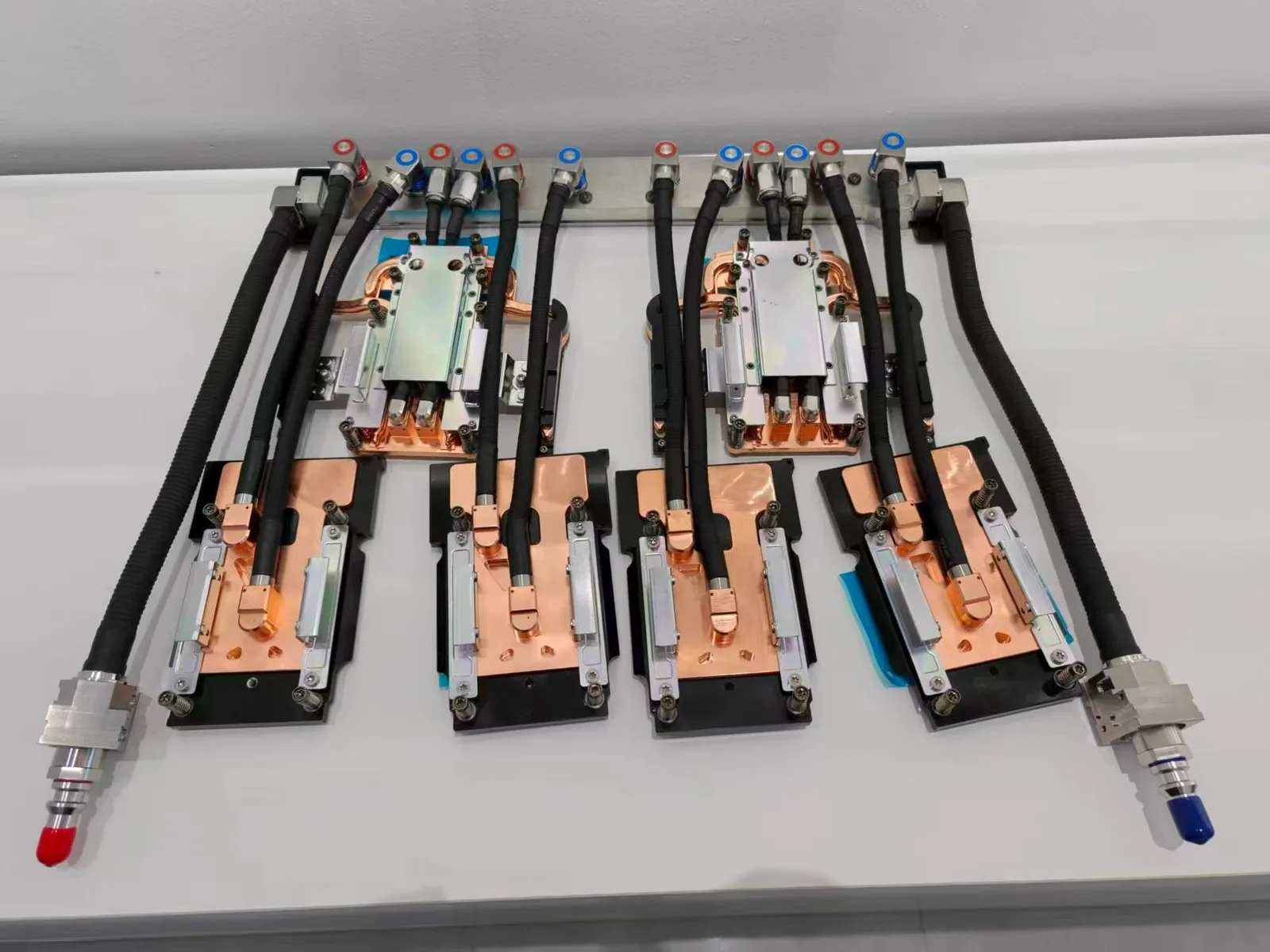
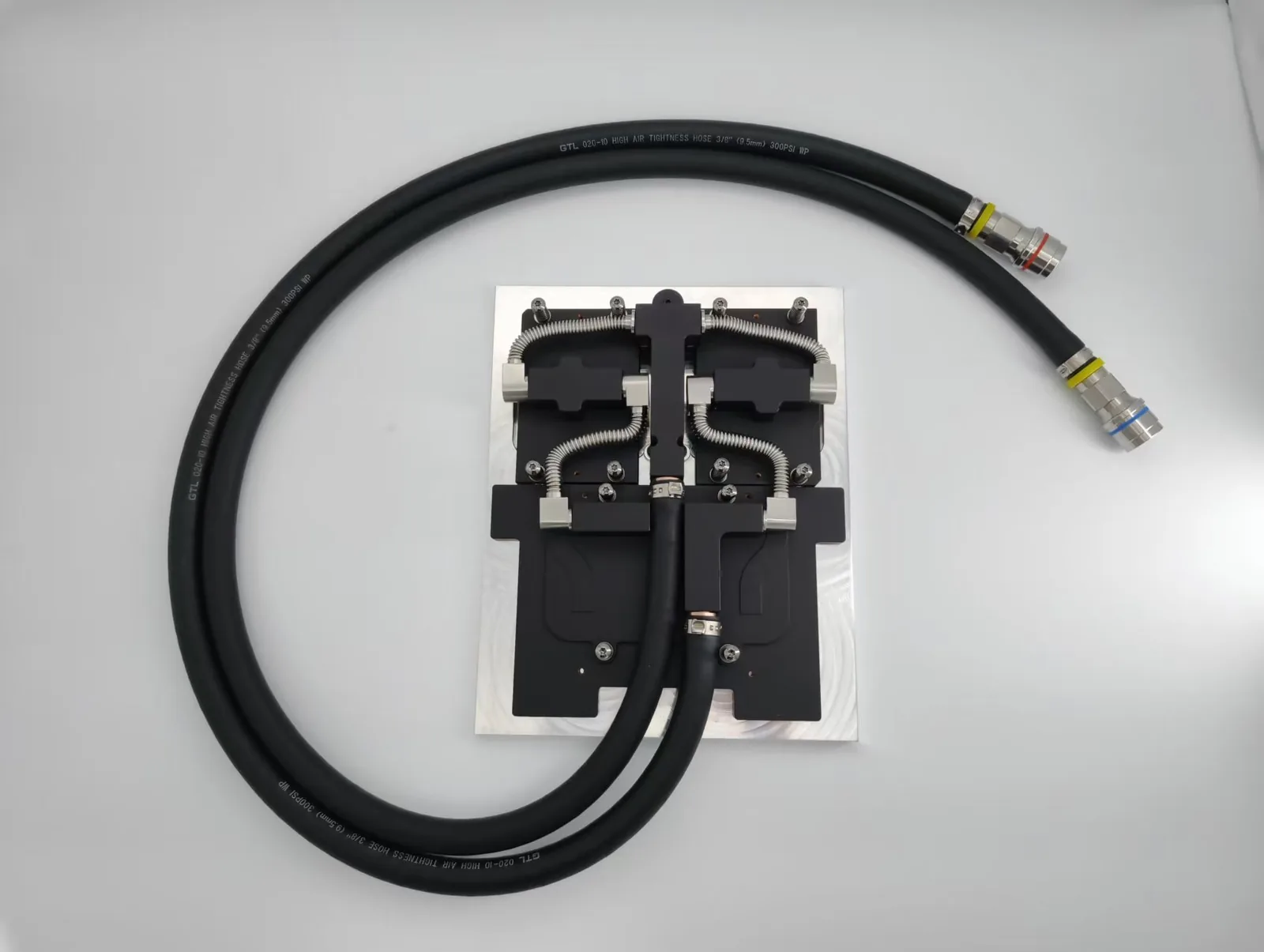
Liquid cooling uses a liquid coolant to absorb heat from the battery. The liquid flows through pipes or channels next to the battery cells. As the coolant moves, it carries heat away from the battery and into a heat exchanger.
A liquid cooling system can control temperature more precisely than air cooling. The system often uses pumps to move the coolant and sensors to monitor temperature. Some EVs use direct contact liquid cooling, where the coolant touches the battery cells directly for better heat transfer.
Liquid cooling systems work well in high-performance EVs and in hot climates.
This method supports fast charging and high power output. The liquid cooling system helps prevent overheating and keeps the battery safe during heavy use.
Cooling Plates
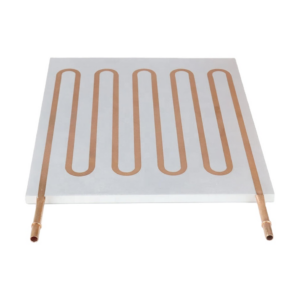
Cooling plates sit between or under the battery cells. These plates use either air or liquid to remove heat from the battery. In a liquid cooling system, coolant flows through channels inside the plates, which improves heat transfer.
Cooling plates help spread heat evenly across the battery pack. This design prevents hot spots and keeps the temperature balanced. Some battery cooling systems use separate cooling plates for different sections of the battery to manage temperature more effectively.
Pros and Cons
| Cooling Method | Pros | Cons |
|---|---|---|
| Air Cooling | Simple, low cost, no risk of leaks | Less effective for large batteries, limited heat transfer |
| Liquid Cooling | High efficiency, precise temperature control | More complex, risk of leaks, higher cost |
| Cooling Plates | Even heat distribution, prevents hot spots | Adds weight and complexity |
Each battery cooling system offers unique benefits and challenges. Air cooling provides a simple solution for smaller EVs. Liquid cooling and cooling plates offer better heat transfer and temperature control for larger or high-performance batteries. Battery cooling systems play a key role in protecting the battery, improving performance, and ensuring safety in every EV.

How EV Battery Cooling Systems Operate
Sensors and Monitoring
Sensors play a key role in how EV battery cooling systems operate. They measure temperature at different points inside the battery pack. These sensors help the battery thermal management system detect heat buildup and spot any changes in temperature quickly.
The thermal management system uses this data to keep the battery within its optimal operating temperature. If the sensors find a hot spot, the system can adjust cooling to that area. This process protects the electric vehicle battery from overheating and supports battery performance.
Control Systems
Control systems work with sensors to manage battery cooling. They decide when to start or stop cooling based on real-time temperature data. These systems can increase airflow in air cooling or boost coolant flow in a liquid cooling system.
A battery thermal management system often uses software to control pumps, fans, and valves. This ensures the battery cooling systems respond fast to any temperature changes. Good control helps maintain even heat transfer and keeps the battery safe.
Active vs. Passive Cooling
There are two main types of EV battery cooling systems: active and passive. Active cooling uses fans, pumps, or coolants to move heat away from the battery. For example, active air cooling uses fans to push air over the battery, while liquid cooling moves coolant through channels to absorb heat.
Passive cooling relies on natural heat transfer without moving parts. It uses materials that spread heat away from the battery. Active cooling works better for high-performance EVs or fast charging, while passive cooling suits smaller batteries.
Both types of EV battery cooling systems aim to keep the battery at the right temperature. They help prevent heat buildup and support battery thermal management. As the future of EV battery cooling develops, new designs improve heat transfer and temperature management for better performance.
A well-designed battery thermal management system ensures the battery stays safe and efficient. It balances heat, temperature, and performance for every EV.
Challenges and Innovations
Common Issues
EV battery cooling faces several challenges. Engineers often struggle with uneven heat transfer inside the battery pack. Hot spots can form when cooling does not reach every cell. Air cooling sometimes fails to remove enough heat during fast charging or heavy use.
Liquid cooling systems can leak if not designed well. Leaks may cause damage to the battery and reduce safety. Battery cooling systems also need to balance weight and complexity with effective heat management.
Many EVs experience reduced performance when battery cooling systems cannot keep up with heat generation.
New Technologies
Innovators continue to improve battery cooling systems. Some engineers use advanced heat transfer materials to spread heat more evenly. New designs for cooling plates help manage temperature across large battery packs.
Liquid cooling now uses smart sensors to adjust coolant flow based on real-time heat data. Air cooling systems add more efficient fans and airflow channels. These upgrades help EVs maintain safe temperature levels and improve battery life.
Researchers also test phase-change materials that absorb heat quickly. These materials can boost heat transfer and support better cooling in future EVs.
Conclusion
EV battery cooling is more than just temperature control—it safeguards performance, extends lifespan, and ensures driver safety. From basic air cooling to advanced liquid and immersion systems, each method reflects the growing demand for efficiency in electric vehicles.
As EV technology evolves, cooling solutions will continue to advance, shaping the reliability and future of electric mobility.
For industry standards and best practices, refer to SAE International.
What Should Pack Engineers Specify for a Battery Cold Plate?
Specify the cell format and layout, heat generation at your fast-charge and drive cycles, coolant type and inlet temperature, flow and pressure-drop budget, allowed temperature spread across the pack, and the mounting, sealing and insulation interfaces. These decide whether a stamped and brazed, extruded or friction-stir-welded plate fits best.
See the battery cold plate guide, our battery cold plates, or send an RFQ.
Frequently Asked Questions
What coolant do EV batteries use?
Most liquid-cooled packs use a water-glycol mixture that circulates through the cold plates and a chiller or radiator.
Is air cooling enough for EV batteries?
Only for small, low-power packs; most modern EVs use liquid cooling because it removes more heat and keeps cell temperatures more uniform.
Where are cold plates placed in an EV battery pack?
Under the modules (bottom cooling) or between cells (side cooling), depending on cell format and pack height.
Does ToneCooling make custom battery cold plates?
Yes, for EV, energy storage and industrial packs, built in our own facility in Huizhou, China.
Get a Custom Thermal Solution from ToneCooling
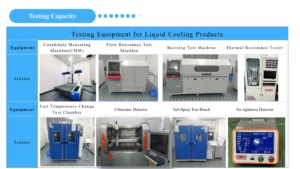
ToneCooling is a professional liquid cooling solution provider specializing in custom cold plates, AIO coolers, and advanced thermal management systems. With ISO 9001 quality management and our own manufacturing facility in Huizhou, China, we deliver prototype samples typically within 4–6 weeks. Contact ToneCooling today for a free consultation and quote. An engineer reviews every RFQ and replies by email with next steps.
For industry standards and best practices, refer to SAE International.
Get a Custom Thermal Solution from ToneCooling
ToneCooling is a professional liquid cooling solution provider specializing in custom cold plates, AIO coolers, and advanced thermal management systems. With ISO 9001 quality management and our own manufacturing facility in Huizhou, China, we deliver prototype samples typically within 4–6 weeks. Contact ToneCooling today for a free consultation and quote. An engineer reviews every RFQ and replies by email with next steps.
References: ASHRAE thermal standards
Why Choose ToneCooling for EV Battery Cold Plates
Engineering review and prototype planning are based on the project requirements. Custom prototype lead time is normally 4–6 weeks after drawing approval and order confirmation; confirm the production schedule in the quotation.
Need a Custom Battery Cold Plate?
Send your pack layout, heat load and coolant details. An engineer reviews every RFQ and replies by email with next steps.
Last updated: 2026-10-02