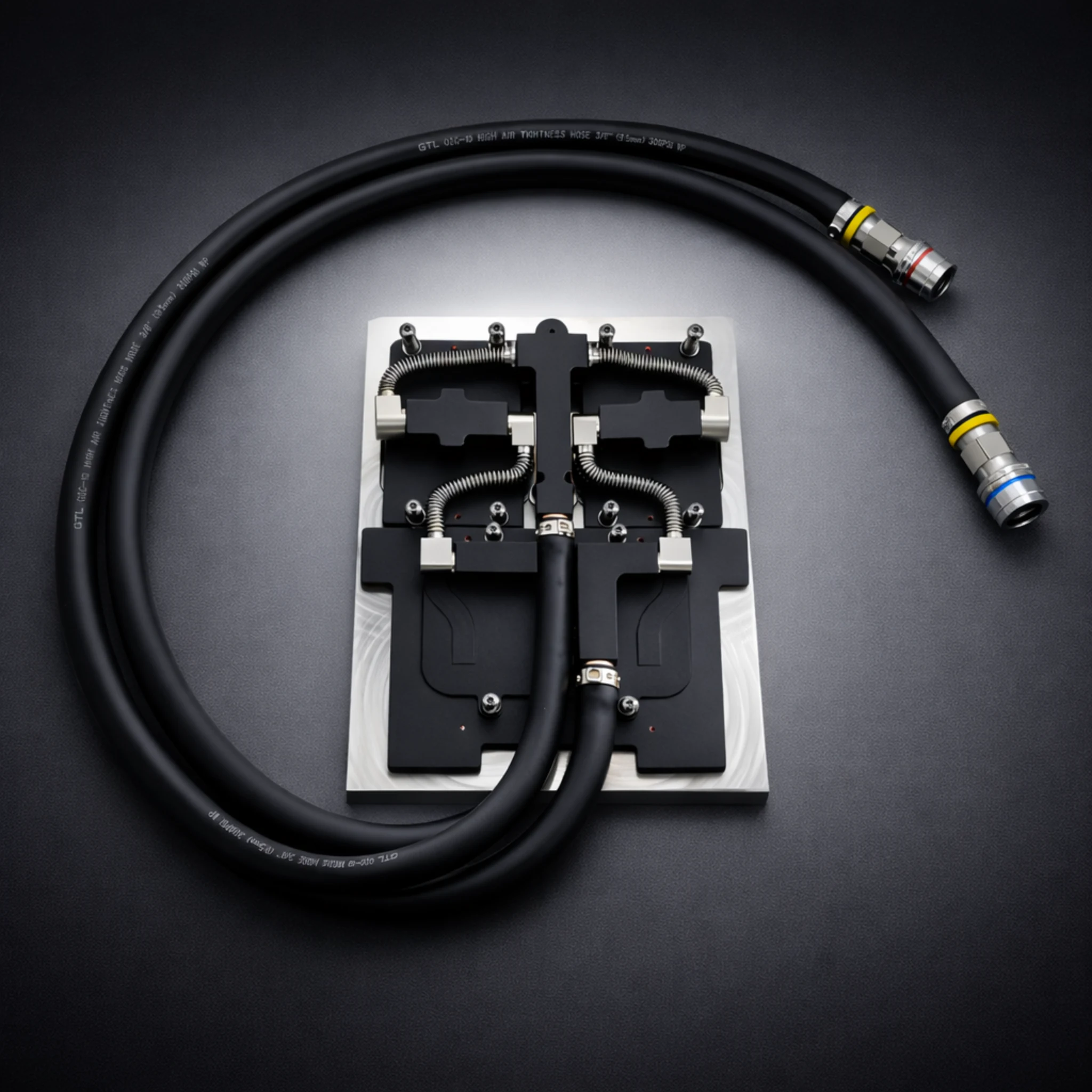
This comprehensive guide covers how to maintain liquid solutions for industrial and OEM applications. ToneCooling provides expert insights on how to maintain liquid technology and implementation.
Maintain Liquid Cooled Systems Peak is a high-performance thermal management solution engineered by ToneCooling for demanding applications.
Liquid-cooled systems are essential in various industries, including electronics, automotive, and industrial machinery. They offer an efficient method of managing heat, extending the lifespan of critical components. However, like any complex system, they require proper maintenance to perform optimally.
Without consistent upkeep, a liquid-cooled system can experience overheating, reduced efficiency, or even complete failure. This article will guide you through the steps to maintain liquid-cooled systems, ensuring they continue to function at their best.

What Is Maintain Liquid Cooled Systems Peak?
A liquid-cooled system relies on coolant to absorb and dissipate heat away from components. Without proper maintenance, the system may not function as designed, leading to decreased performance or costly repairs. Some of the risks of neglecting maintenance include:
Overheating: A clogged or underperforming cooling system cannot regulate temperature effectively, causing components to overheat and fail prematurely.
Corrosion: If not properly maintained, the coolant can degrade and lead to corrosion inside pipes and pumps, which can reduce the system’s overall efficiency.
Reduced Efficiency: A poorly maintained system requires more energy to achieve the same cooling effect, increasing operational costs.
Routine maintenance helps to prevent these issues, keeping the system running smoothly and reducing long-term expenses.
Key Components of a Liquid-Cooled System — How to maintain liquid
Before diving into the maintenance steps, it’s important to understand the key components of a liquid-cooled system. These include:
Coolant: The liquid used to absorb and transfer heat. It can be water-based or use specialized coolants, depending on the system’s requirements.
Pump: The component responsible for circulating the coolant through the system.
Radiators and Heat Exchangers: These components help to dissipate heat from the coolant.
Pipes and Hoses: The channels through which the coolant circulates.
Reservoir: A storage unit for the coolant.
Each of these components plays a vital role in the system’s performance. Regular inspection and maintenance of all parts are necessary for maintaining efficiency and preventing breakdowns.
Regular Inspection: Keeping an Eye on Key Components — How to maintain liquid
Regular inspection is one of the most important tasks in maintaining a liquid-cooled system. You should check all major components for signs of wear, leaks, or other potential issues. This inspection should be done at least once every 6 months, or more often depending on your system’s usage and environment.
Pumps and Valves
Check the pump for any signs of wear or malfunction. A malfunctioning pump will reduce coolant circulation, which can result in overheating. Ensure that the pump is running smoothly and that there are no leaks at the seals or fittings. Inspect valves to ensure they are functioning properly and not clogged.
Pipes and Hoses
Inspect pipes and hoses for cracks, leaks, or blockages. Over time, hoses can degrade, causing leaks or loss of pressure in the system. If any damage is found, replace the affected parts immediately. Ensure that the hoses are properly secured to prevent movement or disconnection during operation.
Radiators and Heat Exchangers
Radiators and heat exchangers can accumulate dust and debris over time. If debris blocks airflow, the system will become less efficient at dissipating heat. Inspect the radiators and heat exchangers for any buildup and clean them as necessary. In some systems, the cooling fins can become bent, which impedes airflow and requires straightening.
Maintaining Fluid Levels and Quality
Proper coolant levels and fluid quality are crucial for the system’s performance. Insufficient coolant levels can lead to overheating and system failure. Here’s how to ensure the coolant is at optimal levels and quality:
Coolant Level Monitoring
Regularly check the coolant reservoir to ensure it is filled to the recommended level. Low coolant levels often indicate a leak somewhere in the system. If you notice a decrease in coolant levels over time, perform a full inspection to identify any leaks.
Coolant Replacement
Over time, coolant can degrade due to exposure to heat and air. Replace coolant every 1–2 years, or as recommended by the manufacturer. When replacing coolant, ensure that you use the correct type for your system to prevent damage. You may also need to flush the system before refilling it with fresh coolant.
Coolant Quality
Coolants can lose their effectiveness over time, leading to reduced heat transfer. Regularly check the condition of the coolant, particularly its color and consistency. If the coolant appears rusty, murky, or discolored, it is likely time to replace it. This is especially important for water-based coolants, which can corrode metal components if left too long.
System Cleaning and Flushing
Cleaning and flushing the system is essential to prevent blockages, buildup, and corrosion. Over time, debris and particles from the coolant can accumulate inside the pipes, pump, and heat exchangers. A clogged system will have reduced efficiency and could fail prematurely.
How to Flush the System
Flushing involves draining the old coolant and cleaning out any debris from the system. Use a flushing solution recommended by the manufacturer or a simple water-based cleaning solution. After flushing the system, refill it with fresh coolant and ensure that all components are reassembled and secure.
Cleaning the Radiators and Heat Exchangers
In addition to flushing the system, it is important to clean radiators and heat exchangers. Use compressed air or a soft brush to remove dirt and dust. Avoid using harsh chemicals that could damage the components.

Temperature Monitoring and Control
A liquid-cooled system relies on maintaining a stable temperature. If the temperature rises beyond the system’s designed limits, components can overheat and fail. To ensure that your system operates within the desired temperature range:
Temperature Sensors
Install temperature sensors at various points in the system, including the radiator, pump, and coolant reservoir. These sensors will help you monitor the system’s temperature and identify any unusual fluctuations.
Regular Monitoring
Check the system’s temperature regularly, especially if you are operating in an environment where temperatures may fluctuate, such as during high-demand periods. If you notice that the system is running hotter than usual, take immediate action by inspecting the system for blockages or malfunctioning components.
Pump Maintenance: Ensuring Proper Flow
The pump is a crucial component in any liquid-cooled system, as it circulates the coolant throughout the system. Without proper circulation, the system will not efficiently manage heat.
Pump Inspections
Inspect the pump regularly for signs of wear or failure. A malfunctioning pump can lead to inadequate coolant flow, causing the system to overheat. Look for leaks around the pump seals, and listen for unusual noises that could indicate an issue. If the pump is not circulating coolant properly, it may need to be repaired or replaced.
Lubrication and Alignment
Ensure that the pump is properly lubricated and aligned. Over time, the moving parts of the pump can wear down, so regular lubrication is essential for smooth operation. Misalignment can also lead to inefficient performance and increased wear on the pump components.
Corrosion Prevention and Control
Corrosion can cause severe damage to the internal components of a liquid-cooled system, reducing its efficiency and lifespan. To prevent corrosion:
Use the Right Coolant
Ensure that the coolant used in your system is compatible with the materials in the system. Some coolants contain additives to prevent corrosion, so choosing the correct coolant can significantly reduce the risk of corrosion.
Corrosion Inhibitors
Consider using corrosion inhibitors in the coolant to protect metal components, especially in systems that use water-based coolants. These inhibitors can help prevent rust and mineral buildup inside the system.
Regular Inspections for Corrosion
Regularly inspect metal components, such as the pump, pipes, and radiators, for signs of corrosion. If corrosion is detected, take action immediately to prevent further damage, such as replacing the affected parts.
Signs Your Liquid-Cooled System Needs Maintenance
It’s essential to be able to recognize when your system requires maintenance. Common signs that maintenance is needed include:
Increased Temperature: If the system is running hotter than usual, it could indicate a problem with the coolant flow or heat dissipation.
Strange Noises: Unusual sounds, such as grinding or rattling, can indicate a failing pump or malfunctioning component.
Leaks: Any visible leaks around hoses, pipes, or the pump should be addressed immediately.
Reduced Efficiency: If your system is taking longer to cool or not achieving the expected temperature, it could be due to coolant degradation or a clogged system.
Conclusion
Maintaining liquid-cooled systems is essential for optimal performance, ensuring that your equipment remains reliable and efficient over time. By regularly inspecting components, monitoring coolant levels and quality, cleaning the system, and preventing corrosion, you can extend the lifespan of your cooling system and avoid costly repairs.
FAQ
How often should I replace the coolant in my liquid-cooled system?
Coolant should typically be replaced every 1-2 years, but this depends on the manufacturer’s recommendations and the operating conditions of your system.
Can I use regular water as coolant?
While some systems use water-based coolants, it’s important to use the correct coolant type recommended by the manufacturer. Regular water may cause corrosion and mineral buildup.
What are the signs of a malfunctioning pump in a liquid-cooled system?
Signs include unusual noises, reduced coolant flow, or leaks around the pump. A malfunctioning pump can lead to inefficient cooling and system overheating.
About ToneCooling
ToneCooling is a leading manufacturer and supplier of advanced liquid-cooled systems, providing high-performance solutions for industries worldwide. With a commitment to quality, innovation, and customer satisfaction, we help businesses maintain optimal system performance and ensure their operations run smoothly.
For industry standards and best practices, refer to ASHRAE thermal guidelines.
| Parameter | ToneCooling Specification |
|---|---|
| Material | Copper T2 / 6061 aluminum |
| Welding method | Transient liquid phase diffusion welding |
| Test pressure | 1 MPa (helium leak + nitrogen hold) |
| Working medium | PG25 (25% propylene glycol) |
| Custom design | Yes — DXF/STEP input accepted |
Frequently Asked Questions
Does ToneCooling offer OEM and ODM services?
Yes. ToneCooling provides full OEM and ODM services including custom design, prototyping, thermal simulation, and volume production. We serve customers in North America, Europe, and Asia-Pacific with engineering support and samples within 2–4 weeks.
What server platforms does ToneCooling support?
ToneCooling liquid cooling solutions support Intel LGA4677, Intel LGA7529, AMD SP5, and NVIDIA GPU platforms including GB200 and H100/H200 configurations.
Can ToneCooling provide direct-to-chip cooling for AI clusters?
Yes. ToneCooling designs and manufactures direct-to-chip liquid cooling cold plates for GPU and CPU in AI training and inference clusters, supporting thermal loads exceeding 700W per chip.
Get a Custom Thermal Solution from ToneCooling
ToneCooling is a professional liquid cooling solution provider specializing in custom cold plates, AIO coolers, and advanced thermal management systems. With ISO 9001:2015 certified manufacturing, we deliver prototype samples within 2–4 weeks. Contact ToneCooling today for a free consultation and quote — we respond within 24 business hours.
Industry References & Standards
Need a Custom Liquid Cold Plate?
ToneCooling engineers design thermal solutions for your specific requirements. Get an engineering RFQ review based on your uploaded requirements.
Maintain Liquid Cooled Systems is a critical component in modern thermal management. ToneCooling engineers this solution for AI servers, data centers, EV batteries, and power electronics requiring high-performance liquid cooling.
Maintain Liquid Cooled Systems: Key Specifications
When evaluating maintain liquid cooled systems, engineers consider thermal resistance, pressure drop, flow rate, and material compatibility. ToneCooling provides detailed specs for every maintain liquid cooled systems design, backed by CFD simulation and testing.
Why Choose ToneCooling for Maintain Liquid Cooled Systems
ToneCooling has manufactured over 50,000 maintain liquid cooled systems units for global OEM customers. Our maintain liquid cooled systems production features vacuum brazing furnaces below 10⁻⁴ mbar, FSW machines with ≤0.02mm flatness, and helium leak detection at 10⁻⁸ mbar·L/s. Every maintain liquid cooled systems undergoes 100% pressure testing at 25 bar.
Our engineering team provides free maintain liquid cooled systems design consultation, CFD simulation, and rapid prototyping in 7-14 days. Production maintain liquid cooled systems orders ship in 4-6 weeks under ISO 9001:2015 quality management.
Need a Custom Liquid Cold Plate?
ToneCooling engineers design thermal solutions for your requirements. Response within 24-48 hours.
Last Updated: 2026-04-08
DR Kevin, Thermal Engineer, ToneCooling