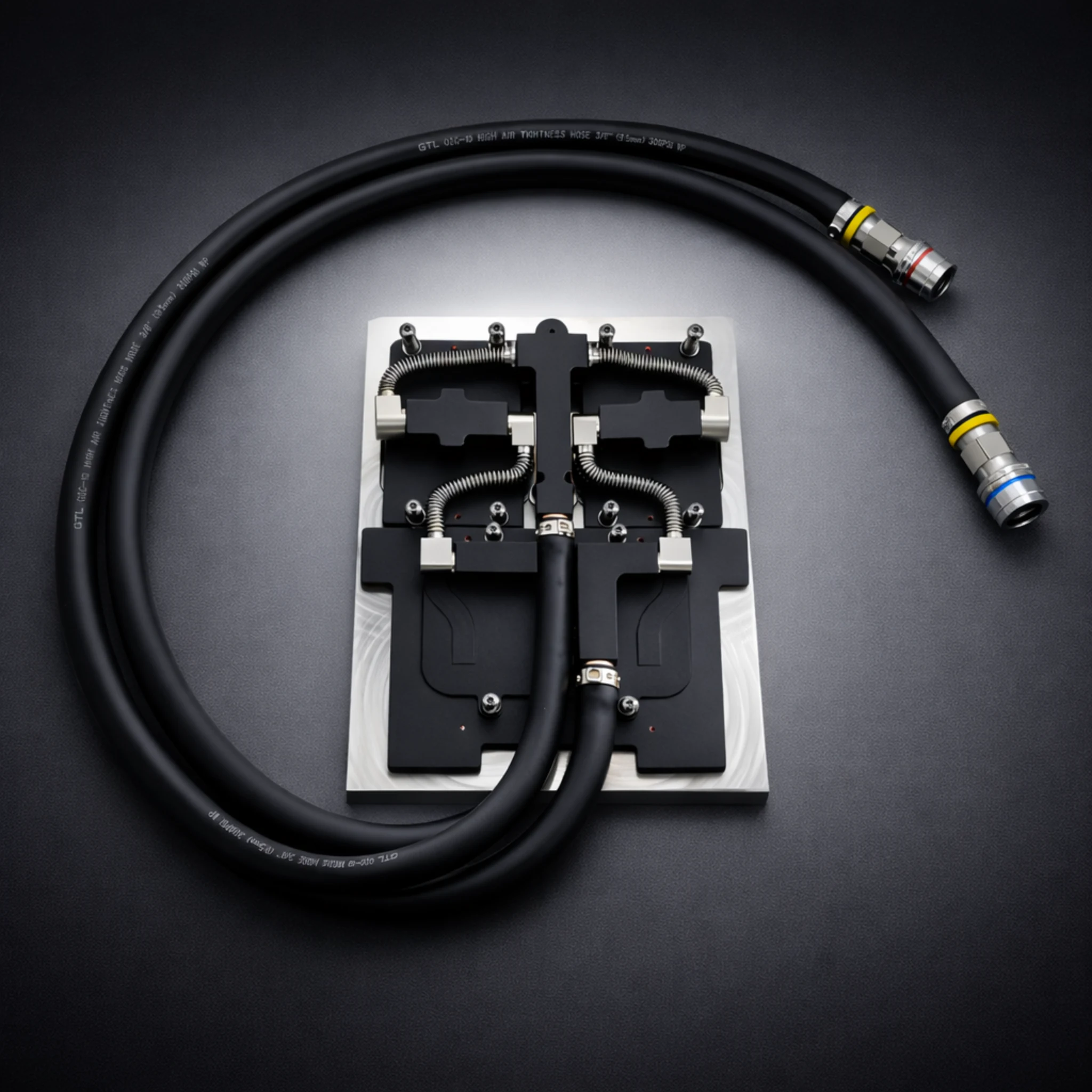
Cold Plate Better Copper Aluminim is a high-performance thermal management solution engineered by ToneCooling for demanding applications.
Choosing between copper and aluminum for cold plates depends on specific cooling requirements. Copper offers superior thermal conductivity and durability, while aluminum provides a lighter and more cost-effective option. Selecting the right material ensures optimal performance and value for any cooling application.

What Is Cold Plate Better Copper Aluminim?
Copper liquid cold plate
Copper liquid cooling plate technology sets the standard for heat dissipation in demanding applications. Copper offers superior thermal conductivity, which means it transfers heat away from critical components quickly. The copper liquid cooling plate uses this property to achieve high heat dissipation and efficient heat dissipation.
Copper liquid cold plates excel in environments where rapid heat transfer is essential. The material’s conductivity measures about 400 W/m·K, which is nearly double that of aluminum. This high thermal conductivity allows copper liquid cooling plate designs to maintain lower temperatures under heavy loads.
Engineers choose copper liquid cold plates for systems that require superior thermal conductivity and maximum efficiency. These plates handle intense heat from processors, power electronics, and lasers. The copper liquid cooling plate ensures effective heat dissipation, which protects sensitive equipment from overheating.
Note: Copper liquid cold plates provide reliable performance in high-performance cooling systems. Their superior thermal conductivity supports consistent heat dissipation even in compact or high-density assemblies.
Aluminum liquid cold plate
Aluminum liquid cooling plate solutions offer a balance between performance and weight. Aluminum’s thermal conductivity is about 205 W/m·K, which is lower than copper but still effective for many applications. The aluminum liquid cooling plate provides good heat dissipation for systems that do not demand the highest levels of thermal efficiency.
Aluminum liquid cooling plate designs weigh less than copper options. This makes them suitable for portable devices and equipment where weight reduction is important. While the conductivity is lower, aluminum liquid cooling plate systems can still deliver effective heat dissipation in moderate heat environments.
Weight and Density — Cold plate
Copper vs aluminum weight — Cold plate
Copper and aluminum differ greatly in density. Copper has a density of 8.96 g/cm³, while aluminum measures only 2.70 g/cm³. This difference makes copper nearly three times heavier than aluminum for the same volume.
- Aluminum’s lower density makes it the preferred choice in portable electronics.
- Designers select aluminum heat sinks and cold plates to reduce overall system weight.
- Lighter components allow for easier integration and improved portability.
Copper’s higher weight can increase shipping and installation costs. In contrast, aluminum supports lightweight designs without sacrificing basic cooling performance. The weight difference often drives material selection in applications where every gram matters.
Impact on cold plates design
Engineers must consider weight and density when designing cold plates. Copper provides excellent thermal performance but adds significant mass to the system. This extra weight can limit its use in mobile or handheld devices.
Aluminum enables compact and lightweight cold plate designs. These designs fit well in laptops, tablets, and other portable equipment. The reduced weight also helps meet strict transportation and handling requirements.
Tip: Choosing the right material for cold plates depends on balancing thermal needs with weight constraints. Aluminum offers a practical solution for applications where portability is a top priority, while copper remains ideal for stationary systems that demand maximum heat transfer.
Cost Factors
Material and manufacturing costs
Copper stands out as a premium material for cold plates. The raw material cost for copper remains higher than for aluminum. Manufacturing copper cold plates also requires more energy and specialized equipment.
Copper’s density increases the amount of material needed for each plate. This factor raises both the material and production cost. Liquid cooling systems using copper often involve more complex machining steps.
Aluminum liquid cold plates offer a more streamlined manufacturing process. Aluminum is easier to machine and shape. This property reduces labor time and overall cost.
Note: The choice of material directly impacts the final price of cold plates. Copper delivers high performance but at a higher cost.
Affordability of aluminum liquid cold plates
Aluminum liquid cold plates provide a cost-effective option for many industries. These plates use less expensive raw materials and require simpler manufacturing steps. The lower cost makes aluminum liquid cold plates attractive for large-scale projects.
Aluminum liquid cold plates also reduce shipping expenses due to their lighter weight. Many companies select aluminum liquid cold plates to balance performance and budget.
Liquid cooling systems with aluminum liquid cold plates meet the needs of cost-sensitive applications. These plates deliver reliable cooling without the premium price of copper.
- Aluminum liquid cold plates offer a practical solution for projects with strict cost limits.
- Companies often choose aluminum liquid cold plates for consumer electronics and automotive systems.
- The affordability of aluminum liquid cold plates supports widespread adoption in various industries.
Durability and Corrosion
Copper resistance
Copper stands out for its excellent resistance to corrosion. In most environments, copper forms a thin oxide layer that protects the metal underneath. This natural barrier helps extend the lifespan of a copper heat sink or cold plate.
A copper heat sink resists most forms of chemical attack. Engineers often select copper for cooling systems in harsh or humid conditions. The durability of copper ensures stable performance over many years.
Note: Copper heat sinks require minimal maintenance. Their resistance to corrosion makes them a reliable choice for long-term use in electronics and industrial equipment.
Aluminum oxidation
Aluminum reacts quickly with oxygen to form a stable oxide layer. This layer protects the aluminum heat sink from further corrosion. The oxide coating is thin but strong, which helps maintain the metal’s appearance and function.
An aluminum heat sink can perform well in most indoor environments. However, exposure to saltwater or certain chemicals may cause pitting or surface damage. Regular inspection helps prevent long-term issues in demanding settings.
- Aluminum heat sinks offer good durability for most applications.
- The oxide layer keeps the surface intact and prevents rapid degradation.
- For outdoor or marine use, extra coatings or treatments may improve corrosion resistance.
Machinability
Copper cold plate fabrication
Copper presents challenges during fabrication. The metal has a higher hardness and toughness compared to aluminum. Machining copper requires specialized tools and slower cutting speeds.
Engineers often use carbide or diamond-tipped tools for copper. These tools help maintain precision and reduce tool wear. Coolants play a key role in preventing overheating during the process.
Note: Copper’s ductility allows for complex shapes, but the process takes more time and increases production costs.
Copper plates may need additional finishing steps. Polishing and cleaning remove surface oxides and improve thermal contact. These extra steps add to the overall fabrication time.
Aluminum cold plate fabrication
Aluminum stands out for its excellent machinability. The metal cuts easily and produces clean edges. Standard tools work well with aluminum, which speeds up the process.
Manufacturers can use high-speed machining for aluminum plates. This method reduces production time and lowers costs. Aluminum’s softness allows for intricate designs without excessive tool wear.
- Aluminum plates often require less post-processing.
- The surface remains smooth after machining.
- Quick fabrication supports large-scale production.
Tip: Aluminum’s machinability makes it ideal for projects with tight deadlines or high-volume needs.
Aluminum fabrication supports a wide range of cooling plate designs. Engineers can create lightweight and complex shapes with minimal effort. This flexibility benefits industries that demand rapid prototyping and cost-effective solutions.

Compatibility
Fluid and system integration
Cold plates must work well with the fluids and systems in which they operate. Copper and aluminum both support common coolants like water, glycol, and specialized fluids. Engineers select materials based on how well they resist chemical reactions with these fluids.
Copper cold plates often pair with deionized water or glycol mixtures. These fluids help prevent scale and corrosion inside the system. Aluminum cold plates require fluids that do not react aggressively with the metal. Some coolants contain additives that protect aluminum surfaces from oxidation.
System integration also depends on the surrounding components. Copper and aluminum cold plates must match the piping, fittings, and pumps used in the cooling loop. Mismatched materials can lead to leaks or reduced performance. Proper planning ensures the cold plate fits seamlessly into the overall design.
Tip: Always check coolant compatibility before finalizing a cold plate material. This step helps avoid long-term maintenance issues.
Galvanic corrosion
When copper and aluminum appear together in a cooling system, the risk of galvanic corrosion increases. This process happens because the two metals have different electrochemical potentials. The presence of a conductive fluid, such as water, can create a galvanic cell.
- The metal with the higher potential, usually aluminum, acts as the anode and corrodes faster.
- Elevated temperatures in the cooling loop can speed up corrosion. A 10°C rise may double the corrosion rate.
- Galvanic corrosion can damage cold plates, pipes, and fittings, leading to leaks or system failure.
Engineers often avoid mixing copper and aluminum in the same cooling loop. If both metals must be used, they add barriers or select special fluids to reduce corrosion risk. Regular inspection and maintenance help catch early signs of damage.
Note: Preventing galvanic corrosion extends the life of both copper and aluminum cold plates. Careful material selection and system design protect valuable equipment.
Environmental Impact
Copper recycling
Copper stands out as one of the most recycled metals in the world. Recycling copper uses less energy than mining and refining new copper. This process reduces greenhouse gas emissions and conserves natural resources.
Many industries collect and reuse copper from old electronics, plumbing, and industrial equipment. Recycled copper maintains the same quality as new copper. This property allows manufacturers to use recycled material in high-performance cold plates.
Tip: Using recycled copper helps lower the environmental footprint of cooling systems.
Copper recycling supports a circular economy. It keeps valuable materials in use and reduces the need for new mining operations. This approach benefits both the environment and the economy.
Aluminum sustainability
Aluminum offers strong sustainability benefits. The production of aluminum from recycled scrap requires only about 5% of the energy needed to produce new aluminum from ore. This energy savings leads to lower carbon emissions.
Manufacturers often choose recycled aluminum for cold plates and other components. The lightweight nature of aluminum also reduces transportation emissions. Many recycling programs accept aluminum from consumer and industrial sources.
- Aluminum recycling rates remain high in many countries.
- Recycled aluminum retains its properties and can be reused many times.
- Sustainable aluminum use supports eco-friendly product design.
Note: Selecting aluminum cold plates made from recycled material can help companies meet environmental goals.
Aluminum’s sustainability makes it a popular choice for green manufacturing. The metal’s recyclability and energy efficiency support long-term environmental health.
Applications for Cold Plates
High-performance cooling
High performance systems demand the best thermal management. Copper cold plates play a key role in these environments. Engineers use copper in high-performance computing, power electronics, and laser equipment.
Copper provides superior heat transfer for liquid cooling solutions. These systems keep processors and sensitive components at safe temperatures. Many data centers rely on copper cold plates for reliable cooling.
Liquid cold plates made from copper handle intense heat loads. High performance systems in industrial automation and scientific research also benefit from copper’s efficiency. These real-world applications require maximum performance and durability.
Note: Copper cold plates support high performance systems where failure is not an option.
Lightweight and cost-sensitive uses
Aluminum cold plates offer advantages for lightweight and budget-focused projects. Many consumer electronics use aluminum for their cooling solutions. Portable devices, such as tablets and laptops, benefit from the reduced weight.
Automotive cooling systems often use aluminum liquid cold plates. These systems require both efficiency and cost control. Aluminum supports large-scale production and easy integration into vehicles.
Liquid cooling solutions with aluminum cold plates appear in renewable energy and telecommunications. These real-world applications need reliable performance without the extra cost or weight of copper. Aluminum meets the needs of high performance systems that must remain mobile and affordable.
Tip: Application requirements guide the choice between copper and aluminum cold plates in every industry.

Choosing the Right Cold Plate Material
When to choose copper
Copper cold plates work best in systems that demand top performance. Engineers select copper for applications where rapid heat transfer is critical. High-performance computing, power electronics, and laser devices often require copper cold plates.
Copper handles high thermal loads with ease. It maintains stable temperatures during intense operation. This material resists corrosion, which extends the lifespan of the cooling system.
Copper suits environments where reliability matters most. It protects sensitive components from overheating. When performance is the top priority, copper remains the preferred choice.
When to choose aluminum
Aluminum cold plates offer advantages for lightweight and cost-sensitive projects. Designers use aluminum when reducing weight is important. Portable electronics and automotive systems benefit from this material.
Aluminum provides good performance for moderate cooling needs. It supports large-scale production due to its easy machinability. Many industries choose aluminum to balance efficiency and budget.
Aluminum cold plates fit well in systems where space and weight matter. They deliver reliable cooling without the higher cost of copper. For many standard applications, aluminum meets both performance and economic goals.
Conclusion
Copper and aluminum cold plates serve different needs. Copper offers top thermal performance and durability. Aluminum provides lighter weight and lower cost.
- Choose copper for high-performance or critical cooling.
- Select aluminum for portable or budget-sensitive projects.
Readers should review their system requirements before deciding. For more details, explore technical guides or consult with a thermal management expert.
| Parameter | ToneCooling Specification |
|---|---|
| Material | Copper T2 / 6061 aluminum |
| Welding method | Transient liquid phase diffusion welding |
| Test pressure | 1 MPa (helium leak + nitrogen hold) |
| Working medium | PG25 (25% propylene glycol) |
| Custom design | Yes — DXF/STEP input accepted |
Frequently Asked Questions
Does ToneCooling offer OEM and ODM services?
Yes. ToneCooling provides full OEM and ODM services including custom design, prototyping, thermal simulation, and volume production. We serve customers in North America, Europe, and Asia-Pacific with engineering support and samples within 2–4 weeks.
What materials are used in ToneCooling liquid cold plates?
ToneCooling manufactures cold plates in aluminum (6061/6063), copper (C1100/C1020), and stainless steel. Aluminum FSW cold plates are ideal for high-volume EV and industrial applications, while copper brazed cold plates provide maximum thermal conductivity (398 W/m·K) for high heat flux electronics.
What is the typical lead time for custom cold plates?
Prototype samples are delivered within 2–4 weeks. Production orders typically ship within 4–6 weeks after sample approval. ToneCooling responds to all quote requests within 24 business hours.
Get a Custom Thermal Solution from ToneCooling
ToneCooling is a professional liquid cooling solution provider specializing in custom cold plates, AIO coolers, and advanced thermal management systems. With ISO 9001:2015 certified manufacturing, we deliver prototype samples within 2–4 weeks. Contact ToneCooling today for a free consultation and quote — we respond within 24 business hours.
Frequently Asked Questions
Does ToneCooling offer OEM and ODM services?
Yes. ToneCooling provides full OEM and ODM services including custom design, prototyping, thermal simulation, and volume production. We serve customers in North America, Europe, and Asia-Pacific with engineering support and samples within 2–4 weeks.
What materials are used in ToneCooling liquid cold plates?
ToneCooling manufactures cold plates in aluminum (6061/6063), copper (C1100/C1020), and stainless steel. Aluminum FSW cold plates are ideal for high-volume EV and industrial applications, while copper brazed cold plates provide maximum thermal conductivity (398 W/m·K) for high heat flux electronics.
What is the typical lead time for custom cold plates?
Prototype samples are delivered within 2–4 weeks. Production orders typically ship within 4–6 weeks after sample approval. ToneCooling responds to all quote requests within 24 business hours.
Get a Custom Thermal Solution from ToneCooling
ToneCooling is a professional liquid cooling solution provider specializing in custom cold plates, AIO coolers, and advanced thermal management systems. With ISO 9001:2015 certified manufacturing, we deliver prototype samples within 2–4 weeks. Contact ToneCooling today for a free consultation and quote — we respond within 24 business hours.
References: ASHRAE thermal standards, Wikipedia: Heat Sink Technology
Need a Custom Liquid Cold Plate?
ToneCooling engineers design thermal solutions for your specific requirements. Get an engineering RFQ review based on your uploaded requirements.
Copper Vs Aluminum Liquid Cold Plate is a critical component in modern thermal management. ToneCooling engineers this solution for AI servers, data centers, EV batteries, and power electronics requiring high-performance liquid cooling.
Copper Vs Aluminum Liquid Cold Plate: Key Specifications
When evaluating copper vs aluminum liquid cold plate, engineers consider thermal resistance, pressure drop, flow rate, and material compatibility. ToneCooling provides detailed specs for every copper vs aluminum liquid cold plate design, backed by CFD simulation and testing.
Why Choose ToneCooling for Copper Vs Aluminum Liquid Cold Plate
ToneCooling has manufactured over 50,000 copper vs aluminum liquid cold plate units for global OEM customers. Our copper vs aluminum liquid cold plate production features vacuum brazing furnaces below 10⁻⁴ mbar, FSW machines with ≤0.02mm flatness, and helium leak detection at 10⁻⁸ mbar·L/s. Every copper vs aluminum liquid cold plate undergoes 100% pressure testing at 25 bar.
Our engineering team provides free copper vs aluminum liquid cold plate design consultation, CFD simulation, and rapid prototyping in 7-14 days. Production copper vs aluminum liquid cold plate orders ship in 4-6 weeks under ISO 9001:2015 quality management.
Need a Custom Liquid Cold Plate?
ToneCooling engineers design thermal solutions for your requirements. Response within 24-48 hours.
Last Updated: 2026-04-08
DR Kevin, Thermal Engineer, ToneCooling