Data centers today face growing challenges in thermal management as high-performance servers, AI workloads, and dense storage systems generate unprecedented heat. Inefficient cooling not only risks hardware failure but also drives up energy costs and environmental impact.
In this article, we explore the key challenges of data center thermal management, including rising heat loads, high-density workloads, environmental factors, and system inefficiencies. Readers will learn how advanced cooling technologies, AI-driven monitoring, and design innovations can improve energy efficiency, reliability, and sustainability in modern data centers.
Overview
Heat Loads — Challenges of data center
Modern data centers face unprecedented heat loads due to advanced computing equipment. Increased power consumption from high-performance servers and storage devices drives up the amount of heat generated within each center. Effective thermal management becomes essential to prevent overheating and maintain stable operations.
Data center cooling systems must handle rising rack densities and higher thermal design power. As power consumption climbs, cooling systems work harder to remove excess heat. This demand puts pressure on both energy resources and infrastructure reliability.
Operators must balance cooling efficiency with sustainability goals. They adopt advanced cooling technologies and energy-efficient components to reduce power consumption. Running centers at slightly higher temperatures can safely lower cooling energy demand without risking equipment damage.
High-Density Workloads — Challenges of data center
High-density workloads, especially those driven by AI and machine learning, create unique challenges for data center cooling. These workloads push rack densities up to 100 kW, with GPUs often exceeding 1,000 to 2,000 watts of thermal output. Traditional air-cooling systems cannot keep up with these demands.
- AI and machine learning workloads significantly increase heat output in data centers.
- Liquid cooling, rear-door heat exchangers, and hot aisle containment offer more efficient solutions than air cooling.
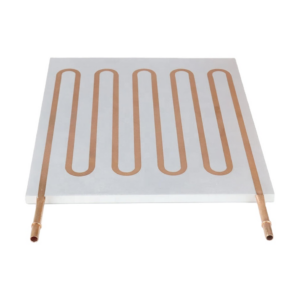
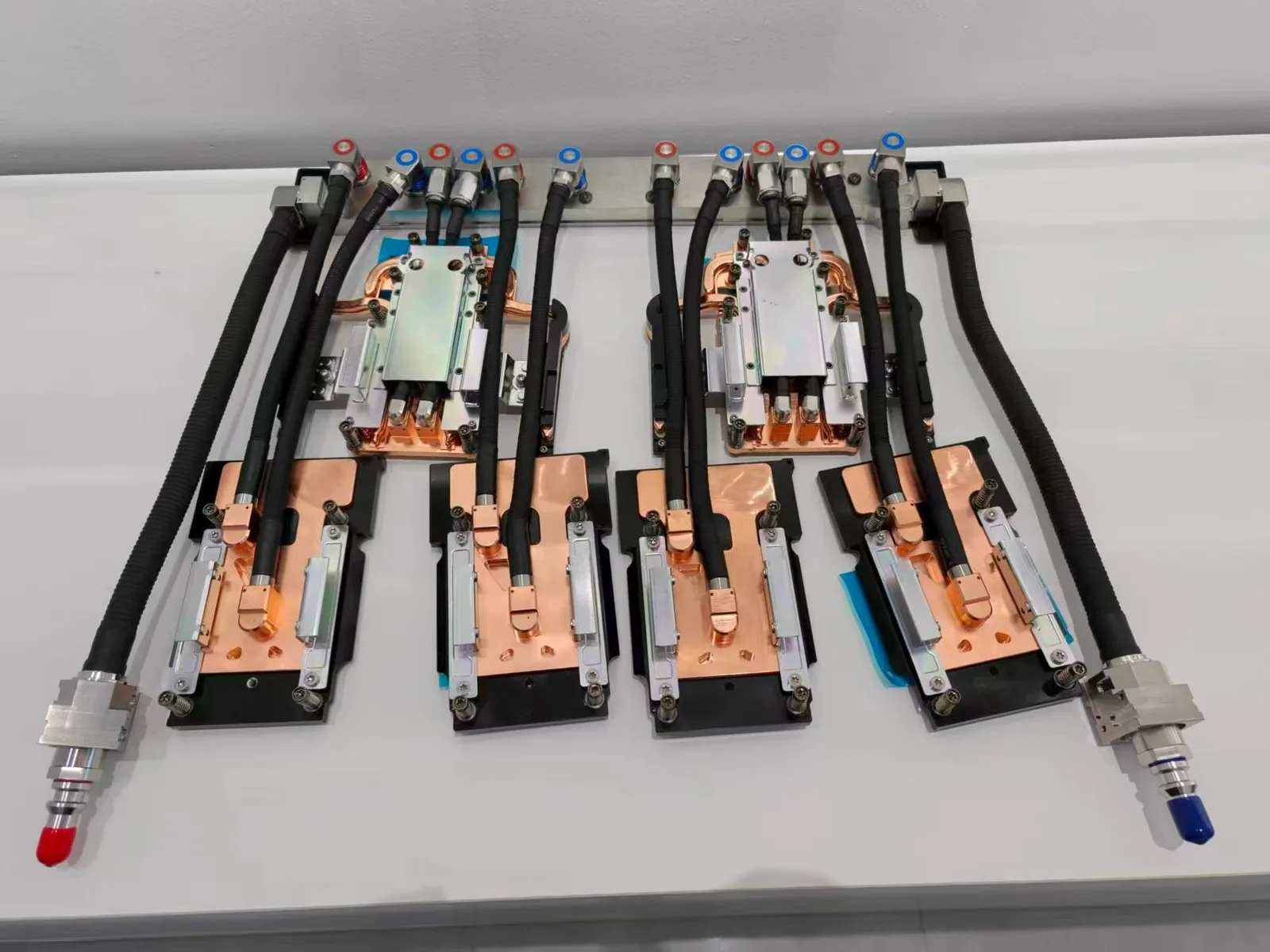
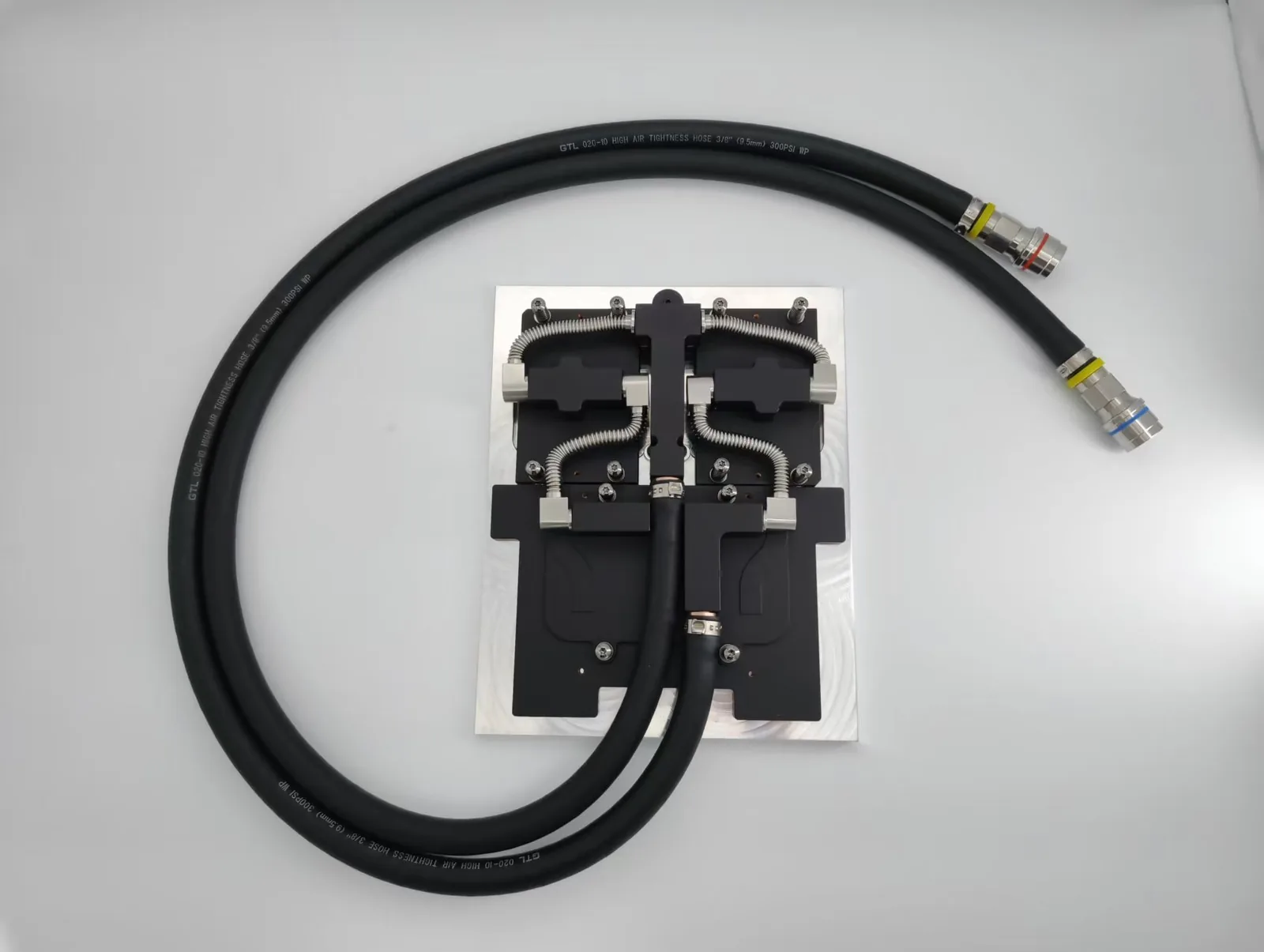
- Liquid cooling uses fluids to absorb and transfer heat, reducing energy consumption and improving heat dissipation.
- High-density cooling requires careful planning, including measuring thermal footprints and assessing coolant flow rates.
- Continuous fluid management and regular maintenance are critical to prevent overheating or system failures.
- Some centers use chilled water systems or liquid-to-air coolant distribution units, depending on infrastructure.
Operators must invest in advanced cooling infrastructure to support next-generation chips. These solutions help maintain hardware reliability, uptime, and scalability. Effective data center cooling ensures that centers can meet the performance demands of AI and ML workloads.
Environmental Factors
External environmental factors add complexity to data center cooling. Higher outdoor temperatures increase the workload and power consumption of cooling systems, making them less efficient. Lower outdoor temperatures allow centers to use ambient air for cooling, which improves energy efficiency.
- Evaporative cooling works best in dry climates, where low humidity enhances evaporation.
- Maintaining proper humidity (40%-60%) prevents static electricity and corrosion, protecting equipment.
- Cooling strategies like free cooling use favorable external temperatures to reduce mechanical cooling needs.
- Humid heat waves have become more severe, especially in the Eastern U.S.
- Humidity amplifies the severity of heat waves, increasing cooling demands and stress on systems.
Operators must monitor both temperature and humidity to optimize data center cooling. These environmental challenges require flexible strategies and robust infrastructure. Effective thermal management helps centers maintain power efficiency and reliability, even during extreme weather events.
Inefficiencies in Data Center Thermal Management
Traditional Cooling Limits
Traditional air cooling systems in data centers rely on large chillers and many fans. These systems consume between 40% and 50% of total power, which reduces overall efficiency. As processor power increases, especially with AI clusters, fan-based cooling approaches their capacity limits and risks hardware reliability.
| Limitation | Explanation |
|---|---|
| Inefficient heat dissipation at high densities | Air cooling struggles as server power densities rise, making heat removal difficult. |
| Physical constraints | Fan noise and energy use increase as cooling demands grow. |
| Rear door heat exchanger resistance | Passive exchangers add resistance, reducing cooling efficiency. |
| Scaling challenges | CRAC and CRAH units face difficulties scaling for larger workloads. |
| Temperature control limitations | Air cooling cannot maintain optimal temperatures for high-density workloads. |
| Increased power density demands | Modern processors need lower case temperatures than air cooling can provide. |
Fan cooling also generates significant noise, which complicates operations. Centers with high-wattage processors and GPUs experience reduced cooling performance and increased risk of cooling system failures.
Airflow and Cold Air Loss
Poor airflow creates hot spots in centers, causing equipment to run hotter than recommended. This accelerates wear on components and shortens hardware lifespan. Cold air loss occurs when chilled air bypasses equipment through unsealed openings or open rack spaces.
- Hot spots can lead to throttled performance, shutdowns, or hardware damage.
- Server fans work harder to compensate, increasing mechanical strain and maintenance costs.
- Mixing of cold and hot air raises return air temperatures, forcing chillers and fans to run longer and consume more energy.
These inefficiencies increase Power Usage Effectiveness and raise energy costs. Centers can improve cooling efficiency by using hot/cold aisle containment, blanking panels, and sealing gaps.
Maintenance and Monitoring Gaps
Centers often face maintenance and monitoring gaps that affect cooling system performance. Insufficient flow rates or uneven water distribution cause fouling deposits. Temperature fluctuations and imbalanced water chemistry lead to scaling, corrosion, and biofouling.
Common causes of fouling and corrosion include suspended solids, biofilms, and chemical reactions. Centers should control water chemistry, remove dissolved oxygen, and use corrosion inhibitors to prevent cooling system failures. Early detection and consistent monitoring help maintain thermal management and reduce downtime.
Consequences for Data Centers
Hardware Failures
Inadequate cooling leads to increased risk of failures in data centers. The average annual failure rate for servers stands at about 5% in the first year and rises to 11% by the fourth year. Poor thermal management reduces hardware performance and uptime, causing performance degradation and more frequent outages.
Industry reports show that failures in power and cooling systems account for nearly 71% of all downtime incidents in centers. Data centers that invest in advanced cooling infrastructure experience fewer outages and better reliability.
Traditional cooling solutions often struggle to keep up with modern workloads, which can shorten equipment lifespan and increase maintenance needs.
Increased Costs
Cooling represents up to 40% of a data center’s total energy consumption, making it a major operational expense. Continuous operation of cooling systems drives up energy costs, especially in centers located in hot or humid climates.
Environmental Impact
- Inefficient cooling systems require more energy, often from fossil fuels, which increases greenhouse gas emissions and the carbon footprint of data centers.
- Many cooling technologies use large amounts of water, and inefficiency leads to excessive water consumption, worsening water scarcity in vulnerable regions.
- Overheating shortens IT equipment lifespan, increasing electronic waste and environmental burden.
- Improving cooling efficiency reduces energy demand, lowers carbon emissions, conserves water, and supports sustainable center operations.
- Cooling systems release warm air, which can create localized micro-climates and affect the surrounding environment.
Data centers must focus on energy efficiency and sustainable cooling practices to minimize environmental impact and support long-term reliability.
Data Center Cooling Solutions
Advanced Cooling Technologies
Modern centers use advanced cooling technologies to manage rising heat loads and support high-density workloads. Hybrid systems combine liquid cooling and air cooling, allowing flexible transitions between methods and supporting mixed rack densities from 1 kW to 50 kW. These systems feature microchannel coils, robust ceiling grids, and flooded room designs, which improve thermal efficiency and reduce energy and water consumption.
- Hybrid cooling adapts to fluctuating IT loads and can operate without water in certain conditions.
- Control systems optimize coolant temperature, pressure, and flow, quickly responding to changes in workload.
- Studies show that these cooling technologies reduce energy use by up to 15% and lower total cost of ownership.
A comprehensive approach to thermal management includes both passive and active cooling strategies. Active methods such as liquid cooling, free cooling, and two-phase cooling improve energy efficiency and sustainability. Liquid cooling technologies, including immersion and direct-to-chip cooling, offer superior heat dissipation for AI-powered centers.
| Segment / Aspect | Projected Growth / Market Size / CAGR |
|---|---|
| Overall Data Center Cooling Market | CAGR of 11.99% from 2025 to 2034 |
| Liquid Cooling Market Size | USD 22.57 billion by 2034 |
| AI-driven Cooling Systems | Rapid development and deployment |

AI and Automation
AI and automation play a key role in optimizing cooling for modern centers. Intelligent algorithms use real-time monitoring to adjust fan speeds, liquid flow, and chiller activity based on environmental and workload conditions. These systems achieve energy savings of 9-13% in chiller operation and help maintain hardware within safe temperature ranges.
- AI-driven cooling solutions use sensors, digital twins, and machine learning to detect early equipment damage and prevent downtime.
- Predictive maintenance extends hardware lifespan and reduces operational costs.
- AI-enabled cooling supports scaling for growing AI workloads while maintaining energy efficiency.
A comprehensive approach to thermal management leverages AI for automated energy management and predictive maintenance. Integrated power and cooling systems enhanced by AI-driven monitoring have achieved up to 40% energy savings in some centers. These solutions improve resilience and reduce over-provisioning.
Real-Time Monitoring
Real-time monitoring provides continuous measurement of energy use, temperature, humidity, and other environmental parameters. Wireless sensor networks with MEMS technology collect reliable data across multiple points in the center. This data helps operators identify hotspots, air recirculation, and inefficiencies in cooling systems.
- Key metrics include Power Usage Effectiveness (PUE), Data Center Infrastructure Energy (DCiE), and thermal indices.
- Monitoring supports comparison of cooling technologies and guides operational improvements.
- Aggregated sensor data informs stakeholders about risks and opportunities for better management.
Operators use real-time monitoring to evaluate cooling performance and drive ongoing efficiency improvements. Metrics such as Carbon Usage Effectiveness (CUE), Water Usage Effectiveness (WUE), and Energy Reuse Effectiveness (ERE) help centers meet sustainability goals. A comprehensive approach to thermal management relies on actionable, real-time data for operational success.
Design Innovations
Design innovations enhance cooling efficiency and sustainability in new and existing centers. Free cooling uses outside air to reduce reliance on traditional systems, especially in cooler climates. Liquid cooling transfers heat more efficiently than air cooling, supporting high-density environments.
- Waste heat reuse supplies heating for nearby facilities, improving overall energy reuse.
- Modular designs enable scalable construction with sustainable materials and reduce environmental impact.
- Retrofitting centers with energy-efficient infrastructure and renewable energy integration supports sustainability.
Best practices for sustainable cooling include following ASHRAE standards, implementing advanced air management strategies, and optimizing supply and return air distribution. Operators adjust temperature setpoints within recommended ranges to enhance economizer efficiency and reduce chiller energy consumption. Continuous monitoring of key performance metrics ensures ongoing improvements in thermal management and operational resilience.
A comprehensive approach to thermal management combines advanced cooling technologies, AI-driven automation, real-time monitoring, and innovative design. These solutions support scalable, sustainable, and reliable center operations.
Future of Data Center Thermal Management
Evolving Demands
Centers face new thermal management demands as workloads grow and technology advances. Edge computing creates smaller, distributed centers with unique cooling challenges and power constraints. Hyperscale centers require efficient cooling for high-density workloads, especially those driven by AI hardware.
- Liquid cooling technologies, such as single-phase direct-to-chip and immersion cooling, are becoming mainstream.
- Immersion cooling can reduce energy consumption by up to 30%, supporting sustainability through waste heat reuse.
- AI-driven management systems optimize cooling and power, enabling predictive maintenance and resource optimization.
- Sustainability and regulatory pressures accelerate innovation in cooling methods and energy sourcing, including renewable energy and heat reuse systems.
- The liquid cooling market is projected to grow rapidly, reflecting its critical role in future center design.
Immersion cooling is reaching an inflection point for efficiency and sustainability. This technology aligns with environmental goals and helps centers lower their carbon footprint. AI-specific hardware optimized for immersion cooling supports broader adoption across centers.
Proactive Strategies
Centers must adopt proactive strategies to meet rising thermal management demands and climate challenges. Cooling should become a foundational priority, not a late-stage adjustment. Long-term planning involves selecting modular, scalable, and configurable cooling systems that evolve with increasing rack density.
- Elevate cooling to a top priority to avoid costly retrofits and disruptions.
- Implement modular and scalable solutions that adapt to changing workloads.
- Integrate cooling decisions with power, sustainability, and business goals for operational flexibility.
- Build strong partnerships with innovative technology providers for ongoing support and strategic guidance.
Intelligent control systems dynamically optimize energy consumption, improving power usage effectiveness and reducing costs. Containerized and skid-mounted cooling units enable rapid deployment and adaptability. Climate change projections highlight the need for adaptive cooling solutions and building improvements, such as enhanced insulation and ventilation, to maintain controlled environments in centers.

Conclusion
Effective thermal management is critical for data center performance, reliability, and sustainability. By addressing high heat loads, high-density workloads, environmental impacts, and traditional cooling limitations, operators can reduce failures, lower energy costs, and extend hardware lifespan.
Leveraging advanced cooling technologies, AI-driven automation, real-time monitoring, and design innovations ensures centers stay efficient and resilient. To stay competitive and sustainable, data center operators should prioritize proactive, adaptable thermal management strategies and invest in scalable, energy-efficient cooling solutions.
For industry standards and best practices, refer to ASHRAE thermal guidelines.
Frequently Asked Questions
Does ToneCooling offer OEM and ODM services?
Yes. ToneCooling provides full OEM and ODM services including custom design, prototyping, thermal simulation, and volume production. We serve customers in North America, Europe, and Asia-Pacific with engineering support and samples within 4–6 weeks.
What industries does ToneCooling serve?
ToneCooling serves data center, telecommunications, EV/automotive, power electronics, aerospace, medical devices, and industrial laser markets with custom thermal management solutions.
How can I get a quote from ToneCooling?
Visit tonecooling.com/contact or email info@tonecooling.com with your thermal requirements. ToneCooling engineers review all inquiries and reply with clear next steps.
Get a Custom Thermal Solution from ToneCooling
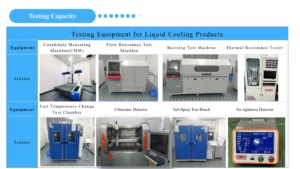
ToneCooling is a professional liquid cooling solution provider specializing in custom cold plates, AIO coolers, and advanced thermal management systems. With ISO 9001:2015 certified manufacturing, we deliver prototype samples within 4–6 weeks. Contact ToneCooling today for a free consultation and quote.
Frequently Asked Questions
Does ToneCooling offer OEM and ODM services?
Yes. ToneCooling provides full OEM and ODM services including custom design, prototyping, thermal simulation, and volume production. We serve customers in North America, Europe, and Asia-Pacific with engineering support and samples within 4–6 weeks.
What industries does ToneCooling serve?
ToneCooling serves data center, telecommunications, EV/automotive, power electronics, aerospace, medical devices, and industrial laser markets with custom thermal management solutions.
How can I get a quote from ToneCooling?
Visit tonecooling.com/contact or email info@tonecooling.com with your thermal requirements. ToneCooling engineers review all inquiries and reply with clear next steps.
Get a Custom Thermal Solution from ToneCooling
ToneCooling is a professional liquid cooling solution provider specializing in custom cold plates, AIO coolers, and advanced thermal management systems. With ISO 9001:2015 certified manufacturing, we deliver prototype samples within 4–6 weeks. Contact ToneCooling today for a free consultation and quote.
Why Choose ToneCooling for Critical Challenges Data Center
Engineering review and prototype planning are based on the project requirements. Custom prototype lead time is normally 4–6 weeks after drawing approval and order confirmation; confirm the production schedule in the quotation.
Last Updated: 2026-04-08
Need a custom challenges data center thermal management solution?
ToneCooling engineers respond with CFD-validated thermal recommendations.