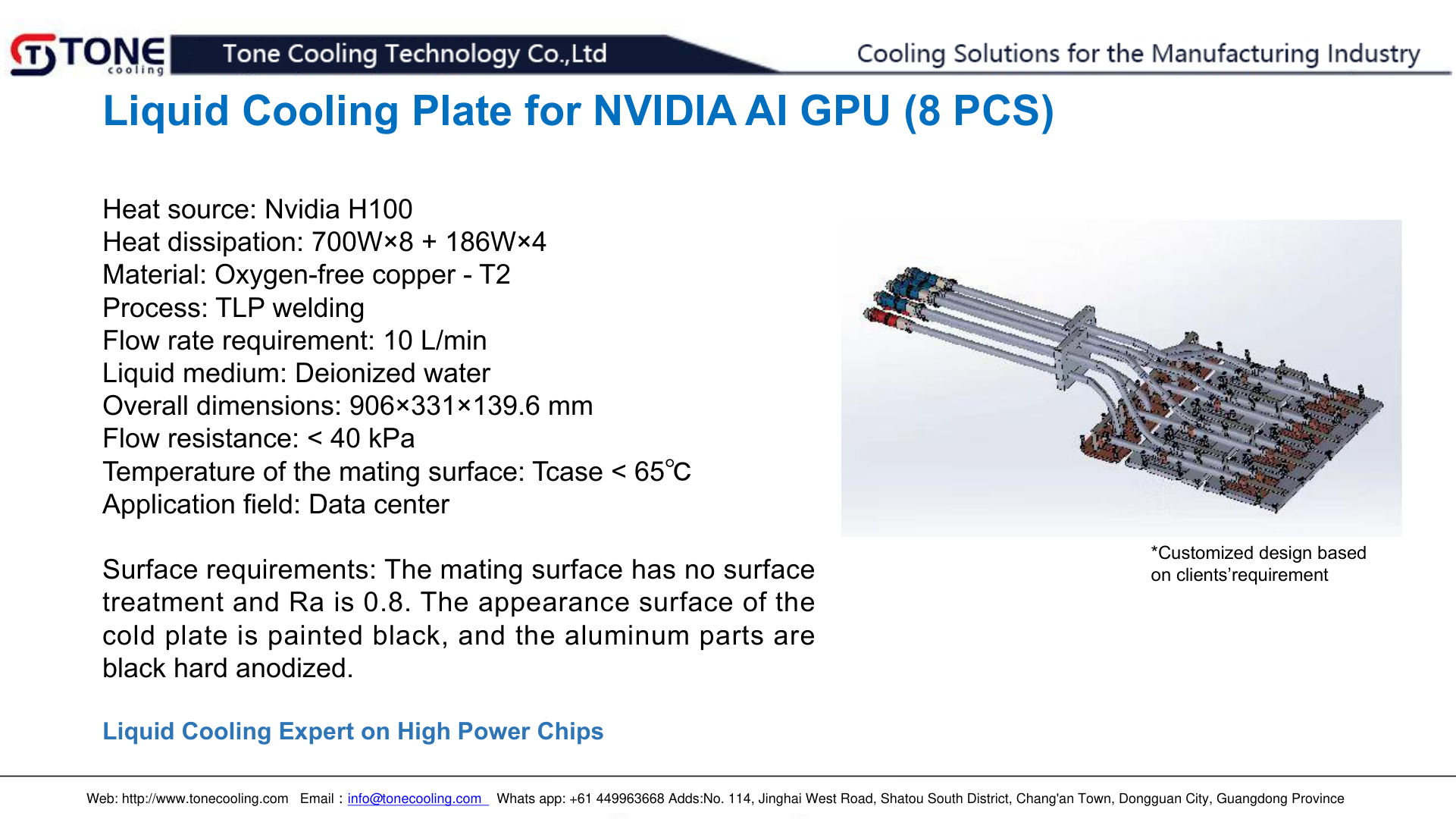
This comprehensive guide covers things to know before solutions for industrial and OEM applications. ToneCooling provides expert insights on things to know before technology and implementation.
In industries where efficient thermal management is crucial—such as electronics manufacturing, automotive, industrial machinery, and renewable energy—liquid cold plates are vital components for maintaining optimal performance. These cooling solutions are essential in dissipating heat from high-powered systems, preventing overheating and ensuring longevity.
For businesses operating in these sectors, bulk buying liquid cold plates is a strategic move. Whether you are scaling up production or maintaining multiple systems, purchasing in bulk can offer significant cost savings, streamlined logistics, and consistent quality across your operations.
However, to make the most of this investment, it’s essential to understand the key factors that influence your decision before placing a large order.

What Are Liquid Cold Plates? — Things to know before
Bulk Buying Liquid Cold Plates is a high-performance thermal management solution engineered by ToneCooling for demanding applications.
This guide on Things to know before provides key insights for engineers and procurement teams. Liquid cold plates are heat exchangers designed to transfer heat from high-temperature components, typically in cooling systems. These plates are used in a wide range of applications, including industrial machinery, electronics, and renewable energy systems, where effective heat dissipation is critical for optimal performance.
Material and Construction
Liquid cold plates are usually made from high-conductivity metals such as copper, aluminum, or stainless steel. The choice of material plays a significant role in the thermal efficiency and durability of the cold plate.
Copper is known for its excellent thermal conductivity, while aluminum offers a lightweight alternative with good performance. Stainless steel is often used for applications requiring enhanced corrosion resistance.
Working Principle
These plates work by circulating coolant (usually water or a water-glycol mixture) through channels embedded in the plate. Heat is transferred from the heated surface to the coolant, which then carries the heat away, reducing the temperature of the components.
Why Consider Bulk Buying Liquid Cold Plates? — Things to know before
Buying liquid cold plates in bulk can offer several advantages for manufacturers and businesses. Here’s why it might make sense for you:
1. Cost Savings
Bulk purchasing often comes with significant cost benefits. Manufacturers are generally able to offer a discount on larger orders, reducing the per-unit cost. This is especially valuable when cold plates are an integral part of your production process, where ongoing purchases may be necessary.
2. Consistency and Reliability
Bulk buying ensures that you receive identical products, which is crucial for consistency in your production line. When all cold plates are manufactured with the same specifications, you can rely on their performance across different units of machinery.
3. Supply Chain Efficiency
Buying in bulk reduces the frequency of orders, saving time and administrative costs. It also ensures that you have a steady supply of liquid cold plates, reducing the risk of stockouts and downtime in your operations.
Key Factors to Consider — Things to know before
Before you proceed with bulk buying, here are the critical factors to consider:
1. Material & Durability
The material used in manufacturing liquid cold plates affects both their thermal performance and durability. Copper, for example, is highly efficient at transferring heat, making it a common choice for high-performance applications.
However, it is also more expensive than aluminum. Stainless steel, while corrosion-resistant, is less efficient in terms of thermal conductivity but may be suitable for certain environments.
Consider your specific needs and the environment in which the liquid cold plates will be used. Are you dealing with high temperatures or aggressive chemicals? If so, material choice is critical.
2. Customization Options
In many industries, the specific dimensions and configurations of cooling systems are not standard. Some applications may require customized cold plates to fit in specific machinery or meet particular thermal management needs.
Before committing to a bulk purchase, inquire about customization options such as plate size, fin geometry, or manifold design. Customization can significantly improve the efficiency of your cooling system, making it worth the investment.
3. Heat Transfer Efficiency
One of the primary functions of liquid cold plates is to efficiently dissipate heat. The effectiveness of this heat transfer depends on the design of the cold plate and its material properties.
Ensure that the cold plates you are considering are designed for high thermal performance, particularly if you need them to manage large amounts of heat in high-power applications.
4. Size and Compatibility
Ensure that the liquid cold plates you purchase are compatible with your existing cooling system. Not all cold plates are the same size, and dimensions vary depending on the application. It’s critical to know the dimensions of your components and verify that the plates will fit within the allocated space.
Additionally, check if the cold plates are compatible with the fluids used in your system, as this can impact both performance and longevity.
5. Quantity and Packaging
When ordering in bulk, consider the packaging and logistics involved in receiving large quantities of cold plates. Packaging can affect shipping costs, ease of storage, and potential damage during transportation. Ensure that the manufacturer offers proper packaging and delivery methods to accommodate your order size and minimize the risk of damage.

How to Evaluate Manufacturers for Bulk Purchases
Choosing the right manufacturer is key to ensuring that your bulk purchase of liquid cold plates meets the necessary quality and performance standards. Here are a few points to consider when evaluating potential suppliers:
1. Reputation and Experience
Look for manufacturers with a proven track record in the production of liquid cold plates. An experienced supplier will understand the specific requirements of bulk purchasing and can offer advice on product selection, customizations, and quality assurance. Check reviews, industry references, and certifications to gauge the manufacturer’s reliability.
2. Quality Control and Certifications
Quality control is essential when purchasing large quantities of liquid cold plates. A reputable manufacturer will have rigorous testing procedures in place to ensure that each plate meets the required specifications. Certifications such as ISO 9001 or ISO 14001 can indicate a manufacturer’s commitment to quality and environmental responsibility.
3. Customer Support and After-Sales Services
Good customer support is vital, especially when dealing with bulk orders. Ensure that the supplier provides responsive communication, technical assistance, and warranty services. A strong after-sales team can help resolve any issues that arise during or after installation, reducing downtime and ensuring smooth operations.
Common Mistakes to Avoid
There are several pitfalls that buyers can fall into when purchasing liquid cold plates in bulk. Be aware of these common mistakes:
1. Overlooking Material Compatibility
Not all materials are suitable for every application. Copper, aluminum, and stainless steel each have distinct characteristics that make them suitable for different environments. Failing to match the material to your operational needs can lead to reduced efficiency, corrosion, or premature failure.
2. Neglecting Cooling Efficiency Requirements
Each cooling system has specific thermal requirements. It’s important to evaluate the heat transfer efficiency of the liquid cold plates you are considering to ensure that they meet the cooling needs of your equipment.
3. Not Verifying Bulk Pricing and Additional Costs
While bulk purchasing can offer discounts, it’s important to evaluate the total cost of ownership, including shipping, storage, and any customizations. Make sure to inquire about all potential fees upfront to avoid surprises.
4. Failing to Request Samples
Before committing to a large order, always request a sample of the liquid cold plates to ensure they meet your specifications. This helps you assess the quality and performance firsthand and avoid costly mistakes.
Benefits of Working with a Specialized Supplier
Working with a direct manufacturer that specializes in liquid cold plates offers several benefits:
-
Expertise: Specialized suppliers understand the intricacies of cooling systems and can provide valuable technical guidance.
-
Customization: These suppliers are more likely to offer customized solutions tailored to your specific needs.
-
Quality Assurance: A focused manufacturer will have higher quality standards, ensuring that your bulk purchase meets the necessary performance requirements.

FAQ
1. What materials are liquid cold plates made from?
Liquid cold plates are typically made from copper, aluminum, or stainless steel. Copper offers the best thermal conductivity, while aluminum is a more lightweight, cost-effective alternative. Stainless steel is used for applications requiring higher corrosion resistance.
2. Can I customize liquid cold plates for my specific application?
Yes, many manufacturers offer customization options for size, shape, material, and internal channels. This can enhance the performance of the cooling system for your specific needs.
3. How do I know if a liquid cold plate will fit my cooling system?
Before purchasing, ensure that you know the dimensions and specifications of your cooling system. Work with the manufacturer to verify compatibility, including fluid types and pressure ratings.
4. What is the typical lead time for bulk orders of liquid cold plates?
Lead time varies depending on the manufacturer and the complexity of your order. It’s important to clarify the expected delivery time when placing your bulk order.
Conclusion
Bulk buying liquid cold plates can be a strategic move for manufacturers and industrial businesses looking to optimize their cooling systems. By understanding key factors such as material selection, customization, heat transfer efficiency, and manufacturer evaluation, you can make a well-informed decision that ensures reliability, cost-effectiveness, and performance. Always do your due diligence, and don’t hesitate to ask the right questions before committing to a bulk order.
About Tone Cooling
Tone Cooling is a trusted manufacturer and supplier of high-quality liquid cold plates designed for diverse applications. With years of expertise and a commitment to providing reliable, efficient cooling solutions, we offer both standard and custom cold plates to meet the unique needs of our clients. Whether you’re looking to bulk buy or customize, our team is here to support you through every step of the process.
For industry standards and best practices, refer to ASHRAE thermal guidelines.
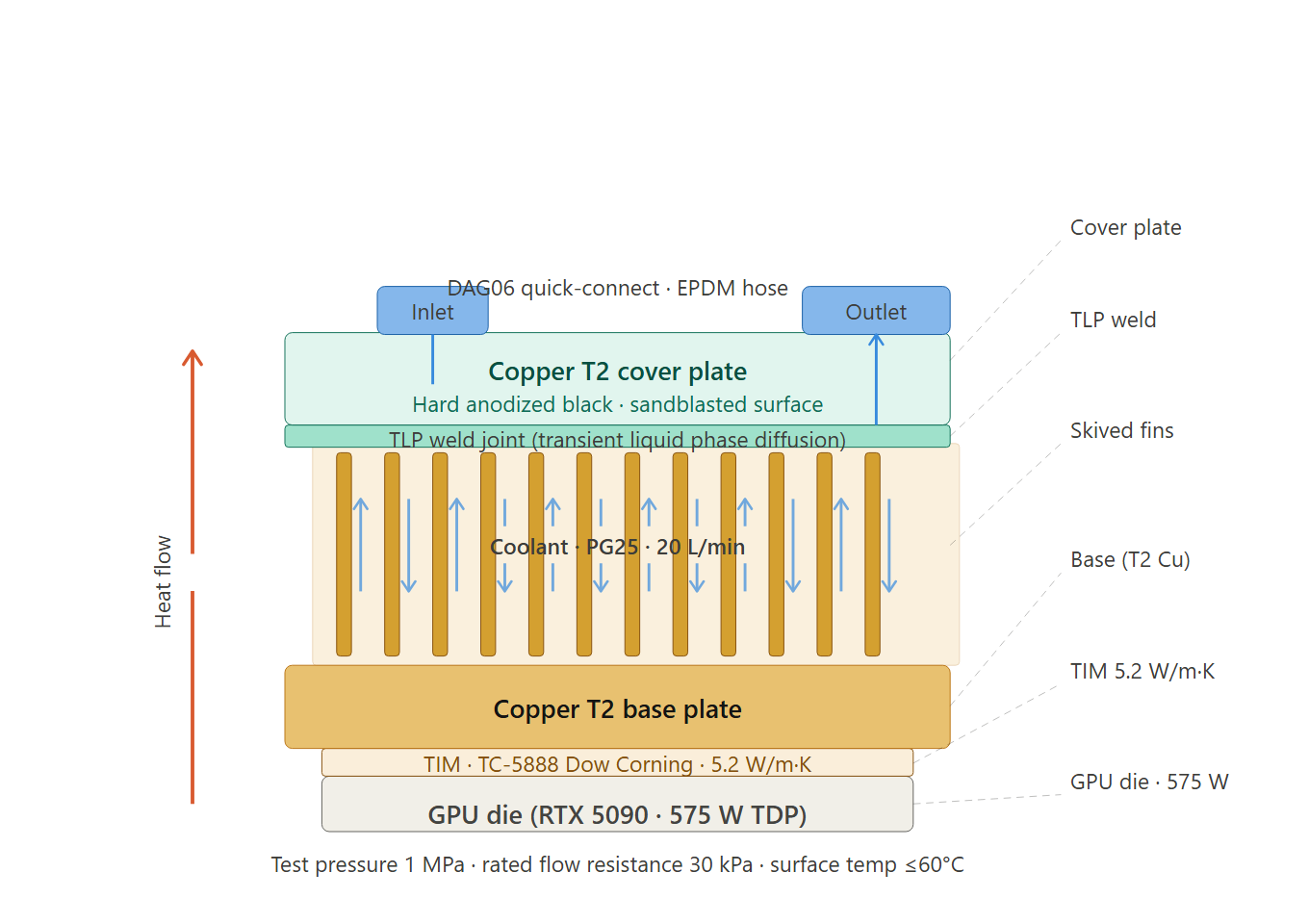
| Parameter | ToneCooling Specification |
|---|---|
| Material | Copper T2 / 6061 aluminum |
| Welding method | Transient liquid phase diffusion welding |
| Test pressure | 1 MPa (helium leak + nitrogen hold) |
| Working medium | PG25 (25% propylene glycol) |
| Custom design | Yes — DXF/STEP input accepted |
Frequently Asked Questions
Does ToneCooling offer OEM and ODM services?
Yes. ToneCooling provides full OEM and ODM services including custom design, prototyping, thermal simulation, and volume production. We serve customers in North America, Europe, and Asia-Pacific with engineering support and samples within 2–4 weeks.
What materials are used in ToneCooling liquid cold plates?
ToneCooling manufactures cold plates in aluminum (6061/6063), copper (C1100/C1020), and stainless steel. Aluminum FSW cold plates are ideal for high-volume EV and industrial applications, while copper brazed cold plates provide maximum thermal conductivity (398 W/m·K) for high heat flux electronics.
What is the typical lead time for custom cold plates?
Prototype samples are delivered within 2–4 weeks. Production orders typically ship within 4–6 weeks after sample approval. ToneCooling responds to all quote requests within 24 business hours.
Get a Custom Thermal Solution from ToneCooling
ToneCooling is a professional liquid cooling solution provider specializing in custom cold plates, AIO coolers, and advanced thermal management systems. With ISO 9001:2015 certified manufacturing, we deliver prototype samples within 2–4 weeks. Contact ToneCooling today for a free consultation and quote — we respond within 24 business hours.
Industry References & Standards
Need a Custom Liquid Cold Plate?
ToneCooling engineers design thermal solutions for your specific requirements. Get a detailed response within 24-48 hours.
Bulk Liquid Cold Plate Procurement is a critical component in modern thermal management. ToneCooling engineers this solution for AI servers, data centers, EV batteries, and power electronics requiring high-performance liquid cooling.
Bulk Liquid Cold Plate Procurement: Key Specifications
When evaluating bulk liquid cold plate procurement, engineers consider thermal resistance, pressure drop, flow rate, and material compatibility. ToneCooling provides detailed specs for every bulk liquid cold plate procurement design, backed by CFD simulation and testing.
Why Choose ToneCooling for Bulk Liquid Cold Plate Procurement
ToneCooling has manufactured over 50,000 bulk liquid cold plate procurement units for global OEM customers. Our bulk liquid cold plate procurement production features vacuum brazing furnaces below 10⁻⁴ mbar, FSW machines with ≤0.02mm flatness, and helium leak detection at 10⁻⁸ mbar·L/s. Every bulk liquid cold plate procurement undergoes 100% pressure testing at 25 bar.
Our engineering team provides free bulk liquid cold plate procurement design consultation, CFD simulation, and rapid prototyping in 7-14 days. Production bulk liquid cold plate procurement orders ship in 4-6 weeks under ISO 9001:2015 quality management.
Need a Custom Liquid Cold Plate?
ToneCooling engineers design thermal solutions for your requirements. Response within 24-48 hours.
Last Updated: 2026-04-08
DR Kevin, Thermal Engineer, ToneCooling