Overview
Definition and basic process — Transient liquid phase
TLP bonding is a joining technique that uses a thin layer of material to connect two surfaces at a moderate temperature. The process starts with heating the assembly to a temperature where the interlayer melts but the base materials remain solid. As the temperature holds steady, atoms from the interlayer and the base materials begin to diffuse into each other.
This diffusion causes the liquid layer to gradually solidify, forming intermetallic compounds at the joint. The result is a strong, hermetic bond that can withstand high heat and mechanical stress. Engineers often use this method to join metals and ceramics in advanced electronics and power modules.
The step-by-step process of TLP bonding includes:
- Placing an interlayer, such as Bi2O3 and ZnO, between the surfaces to be joined.
- Heating the assembly to around 750 °C, which melts the interlayer.
- Allowing Zn2+/ZnO to diffuse through the ceramic or metal surfaces.
- Holding the temperature until the liquid layer solidifies and intermetallic compounds form.
- Using tools like SEM, EDX, XRD, and Raman spectroscopy to analyze the microstructure and ensure quality.
Why it matters for high-performance heat spreader — Transient liquid phase
TLP bonding plays a key role in the performance of high-performance heat spreaders. It enables the use of thinner and lighter materials while maintaining excellent heat transfer. The addition of latent heat absorption coatings further boosts the thermal performance of these devices.
Many heat spreaders use materials like aluminum nitride, aluminum silicon carbide, and copper-aluminum. These materials, when joined by tlp bonding, show improved mechanical reliability and reduced thermal resistance. The process also leads to the formation of intermetallic compounds, which enhance the durability and efficiency of the joint.
| Aspect | Description |
|---|---|
| Bonding Method | Transient Liquid Phase (TLP) bonding |
| Materials | Aluminum nitride (AlN), aluminum silicon carbide (AlSiC), copper-aluminum |
| Benefits | Improved mechanical reliability, reduced thermal resistance, compact design |
| Observations | Formation of intermetallic compounds, enhanced thermal management |
TLP bonding helps improve CPU performance and lower battery temperatures in electronic devices. The use of high conductivity graphite heat spreaders, joined by this method, allows for efficient heat dissipation. This makes tlp bonding a preferred choice for thermal management in power modules and other demanding applications.
TLP vs Brazing vs Traditional Soldering — Transient liquid phase
Thermal and Mechanical Advantages
TLP bonding offers significant thermal advantages over brazing and traditional soldering. The process creates joints with high thermal conductivity, which is essential for efficient heat transfer in advanced electronics. The following table compares the thermal conductivity and electrical resistivity of different joint types:
| Joint Type | Thermal Conductivity (W m−1 K−1) | Electrical Resistivity (μΩ cm) |
|---|---|---|
| TLP-bonded joint | 148 | 5.1 |
| Pure Cu3Sn | 69.8 | 8.9 |
| Cu–Sn paste system | 140.2 | N/A |
TLP bonding forms intermetallic compounds at the joint interface. These compounds provide both high strength and excellent heat conduction. In contrast, brazing and soldering often result in lower thermal conductivity and weaker mechanical properties.
The mechanical strength of TLP-bonded joints comes from the formation of dense intermetallic compounds. These joints resist deformation and maintain integrity under repeated thermal cycling. Engineers use TLP bonding in power modules where both heat dissipation and mechanical reliability are critical.
TLP bonding enables the use of thinner materials without sacrificing strength or heat performance. This advantage supports compact designs in modern electronics.
Reliability and Hermeticity
Reliability and hermetic sealing are crucial for thermal management solutions. TLP bonding outperforms traditional soldering in these areas. The process produces joints with low or no outgassing, high-temperature resistance, and strong shear strength.
| Method | Hermetic Sealing Performance |
|---|---|
| TLP Bonding | Low or no outgassing, high-temperature resistance, strong shear strength |
| Traditional Soldering | Potential voids and outgassing issues leading to lower hermeticity |
Traditional soldering often requires compressive stress to minimize joint gaps. This can create voids and outgassing, which reduce the hermeticity of the seal. TLP bonding, by forming stable intermetallic compounds, ensures a more reliable and airtight joint.
The improved hermeticity of TLP-bonded joints protects sensitive components from moisture and contaminants. This reliability is especially important in power modules and other high-performance applications. TLP bonding supports long-term durability and consistent heat management in demanding environments.

ToneCooling Thermal Management Solutions by TLP Bonding
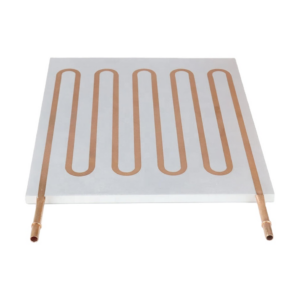
Liquid Cold Plate
Liquid cold plates play a vital role in managing heat in high-power modules. Engineers use tlp bonding to join metal surfaces, which allows for the formation of intermetallic compounds at the interface. These compounds improve both mechanical strength and heat transfer.
The process creates a hermetic seal that prevents leaks and protects sensitive electronics. TLP bonding enables the use of thinner materials, which reduces weight and increases heat dissipation efficiency. Many cold plates rely on copper or aluminum joined with intermetallic compounds to achieve optimal performance.
Designers often select liquid cold plates for applications that require rapid heat removal. The strong bonds formed by tlp bonding ensure reliability during repeated thermal cycles. This method supports compact designs without sacrificing durability or heat management.
Vapor Chamber
Vapor chambers use phase change technology to spread heat evenly across surfaces. TLP bonding enhances the reliability and strength of these chambers by forming robust intermetallic compounds at the joints. The process involves bonding at temperatures around 250 °C with varying pressures.
- Increased bonding pressure leads to higher shear strength, reaching up to 71.2 MPa at 20 MPa.
- Bonding strength improves by 362% when pressure rises from 0 MPa to 20 MPa.
- Fewer micropores appear in fractured joints as pressure increases, which means better bond quality.
- The strongest bonds show a ductile-brittle fracture mode, indicating improved reliability under thermal stress.
Vapor chambers joined with tlp bonding deliver consistent heat dissipation in power modules and advanced electronics. The formation of intermetallic compounds at the interface supports long-term durability. Engineers prefer this method for applications that demand high thermal performance and reliability.
Applications of TLP-Bonded Heat Spreader
Data Center Servers
Data center servers generate significant heat during operation. TLP bonding enables the creation of heat spreaders with robust intermetallic compounds, which improve thermal conductivity and mechanical strength. These heat spreaders help maintain stable temperatures, ensuring reliable performance and longer server lifespans.
Engineers rely on TLP-bonded heat spreaders to prevent overheating and reduce the risk of thermal failure in critical server infrastructure.
High-Power GPUs and CPUs
High-power GPUs and CPUs require efficient heat management to support demanding workloads. TLP bonding allows manufacturers to join advanced materials, forming intermetallic compounds that enhance heat dissipation. This process supports the use of thinner heat spreaders, which fit compact designs and maintain high performance.
| Application Area | Benefit of TLP Bonding |
|---|---|
| Computer processors | Prevents overheating, boosts reliability |
| Power electronics | Improves heat transfer, increases durability |
Telecom & Networking Equipment
Telecom and networking equipment operate continuously and often in harsh environments. TLP bonding creates joints with intermetallic compounds that resist thermal cycling and mechanical stress. These heat spreaders protect sensitive components and maintain signal integrity by controlling temperature fluctuations.
- Mobile devices
- Power electronics
- Automotive electronics
- LED lighting
- Computer processors
Industrial Electronics
Industrial electronics demand reliable heat management for power modules and control systems. TLP bonding provides strong, hermetic seals with intermetallic compounds, which withstand high-temperature power electronics applications. These heat spreaders ensure consistent operation and reduce maintenance needs in industrial settings.
TLP-bonded heat spreaders play a vital role in modern electronics by dissipating heat efficiently and supporting high-performance applications.

Conclusion
Transient Liquid Phase (TLP) Bonding has become a key technology in high-performance thermal management. By enabling strong, hermetic, and thermally efficient joints, TLP bonding improves the performance of heat spreaders. The formation of intermetallic compounds ensures durability under thermal cycling and mechanical stress, allowing compact and reliable designs for data centers, power electronics, and industrial systems.
With TLP-bonded solutions, engineers can achieve superior heat dissipation, enhance device reliability, and extend the operational lifespan of high-power electronics.
For industry standards and best practices, refer to ASHRAE thermal guidelines.
Frequently Asked Questions
Does ToneCooling offer OEM and ODM services?
Yes. ToneCooling provides full OEM and ODM services including custom design, prototyping, thermal simulation, and volume production. We serve customers in North America, Europe, and Asia-Pacific with engineering support and samples within 4–6 weeks.
What industries does ToneCooling serve?
ToneCooling serves data center, telecommunications, EV/automotive, power electronics, aerospace, medical devices, and industrial laser markets with custom thermal management solutions.
How can I get a quote from ToneCooling?
Visit tonecooling.com/contact or email info@tonecooling.com with your thermal requirements. ToneCooling engineers review all inquiries and reply with clear next steps.
Get a Custom Thermal Solution from ToneCooling
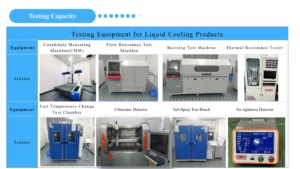
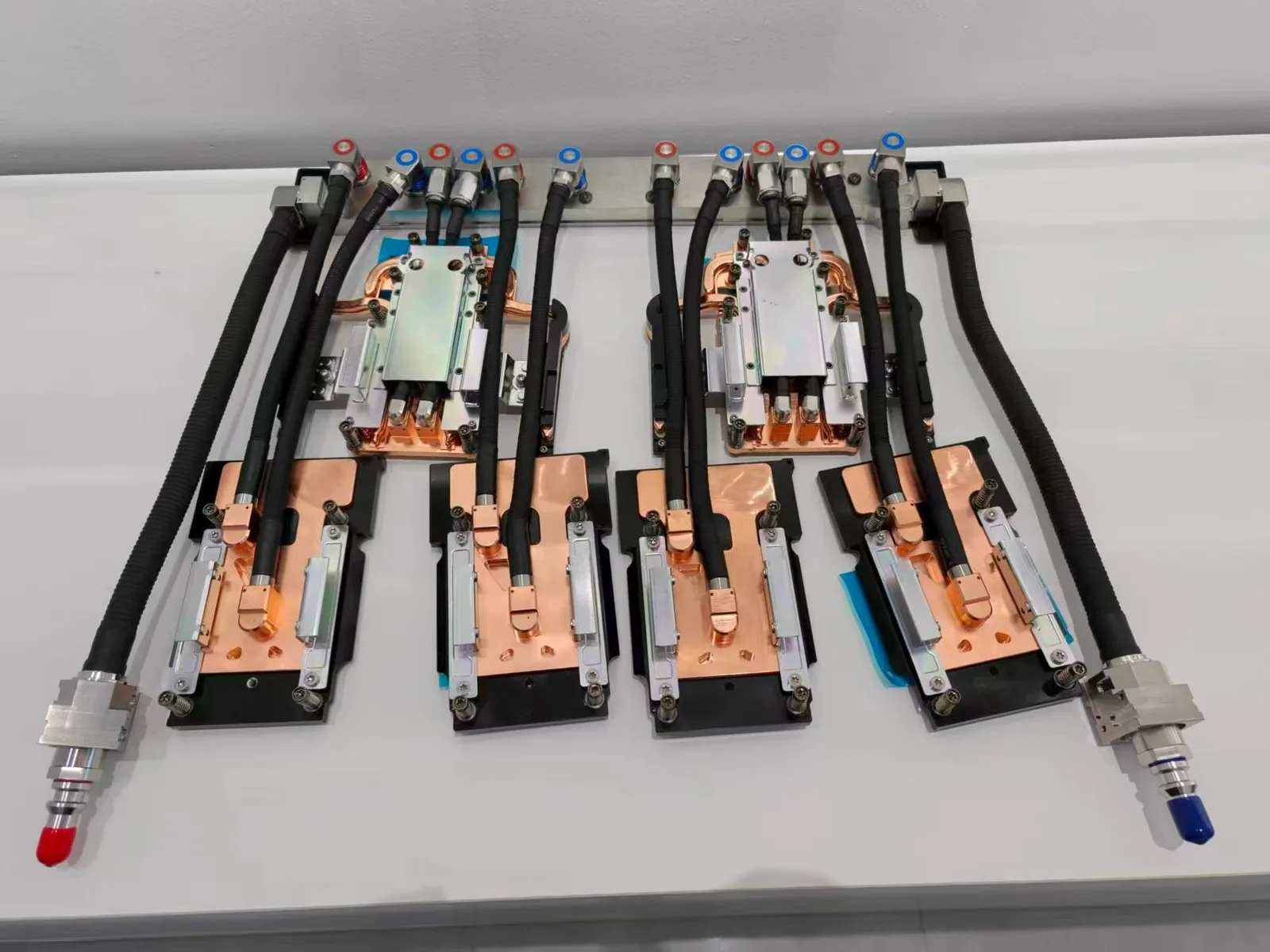
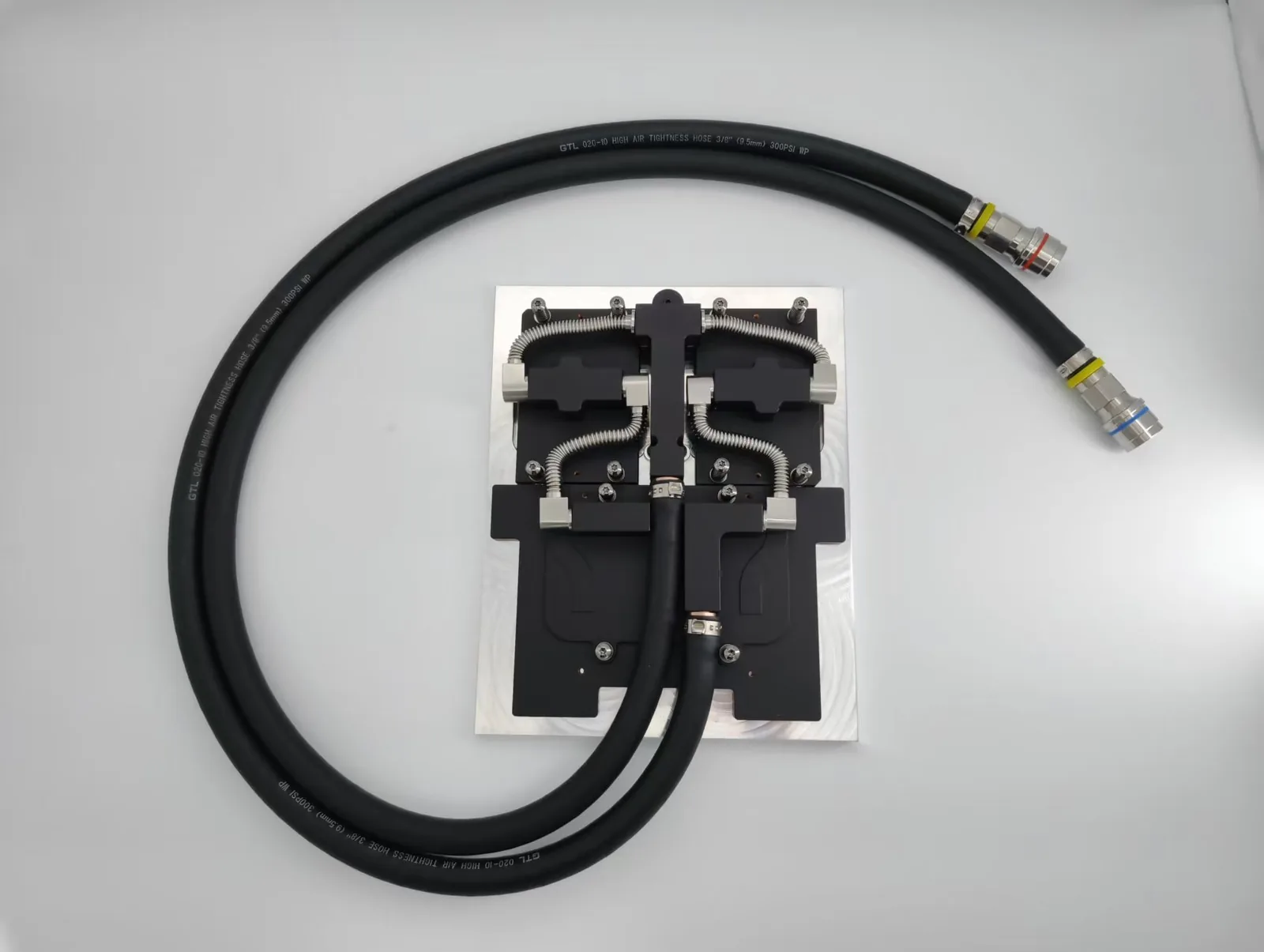
ToneCooling is a professional liquid cooling solution provider specializing in custom cold plates, AIO coolers, and advanced thermal management systems. With ISO 9001:2015 certified manufacturing, we deliver prototype samples within 4–6 weeks. Contact ToneCooling today for a free consultation and quote.
Frequently Asked Questions
Does ToneCooling offer OEM and ODM services?
Yes. ToneCooling provides full OEM and ODM services including custom design, prototyping, thermal simulation, and volume production. We serve customers in North America, Europe, and Asia-Pacific with engineering support and samples within 4–6 weeks.
What industries does ToneCooling serve?
ToneCooling serves data center, telecommunications, EV/automotive, power electronics, aerospace, medical devices, and industrial laser markets with custom thermal management solutions.
How can I get a quote from ToneCooling?
Visit tonecooling.com/contact or email info@tonecooling.com with your thermal requirements. ToneCooling engineers review all inquiries and reply with clear next steps.
Get a Custom Thermal Solution from ToneCooling
ToneCooling is a professional liquid cooling solution provider specializing in custom cold plates, AIO coolers, and advanced thermal management systems. With ISO 9001:2015 certified manufacturing, we deliver prototype samples within 4–6 weeks. Contact ToneCooling today for a free consultation and quote.
Why Choose ToneCooling for Transient Liquid Phase Bonding Cold Plate
Engineering review and prototype planning are based on the project requirements. Custom prototype lead time is normally 4–6 weeks after drawing approval and order confirmation; confirm the production schedule in the quotation.
Last Updated: 2026-04-08
Need a custom transient liquid phase tlp bonding solution?
ToneCooling engineers respond with CFD-validated thermal recommendations.