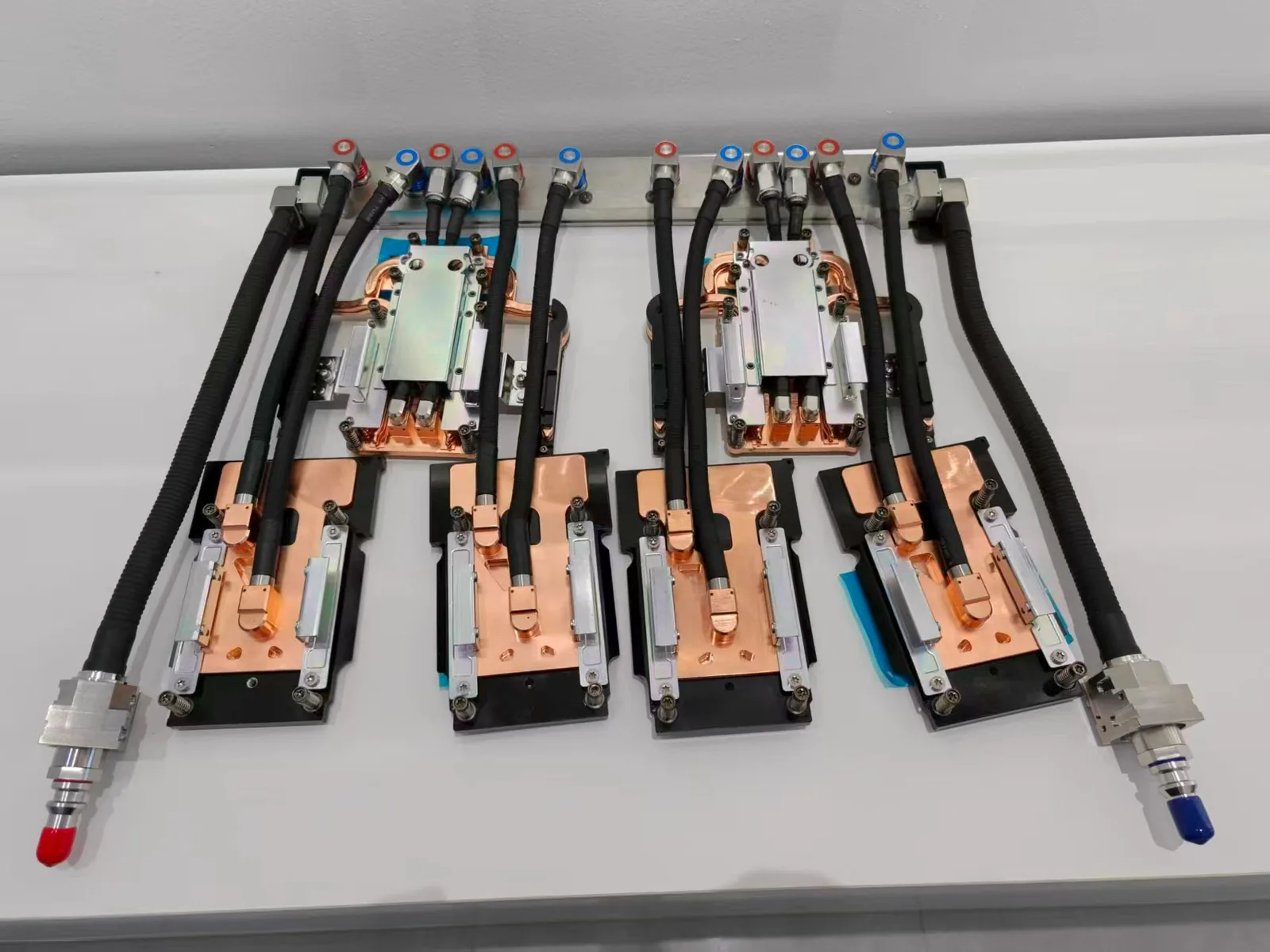
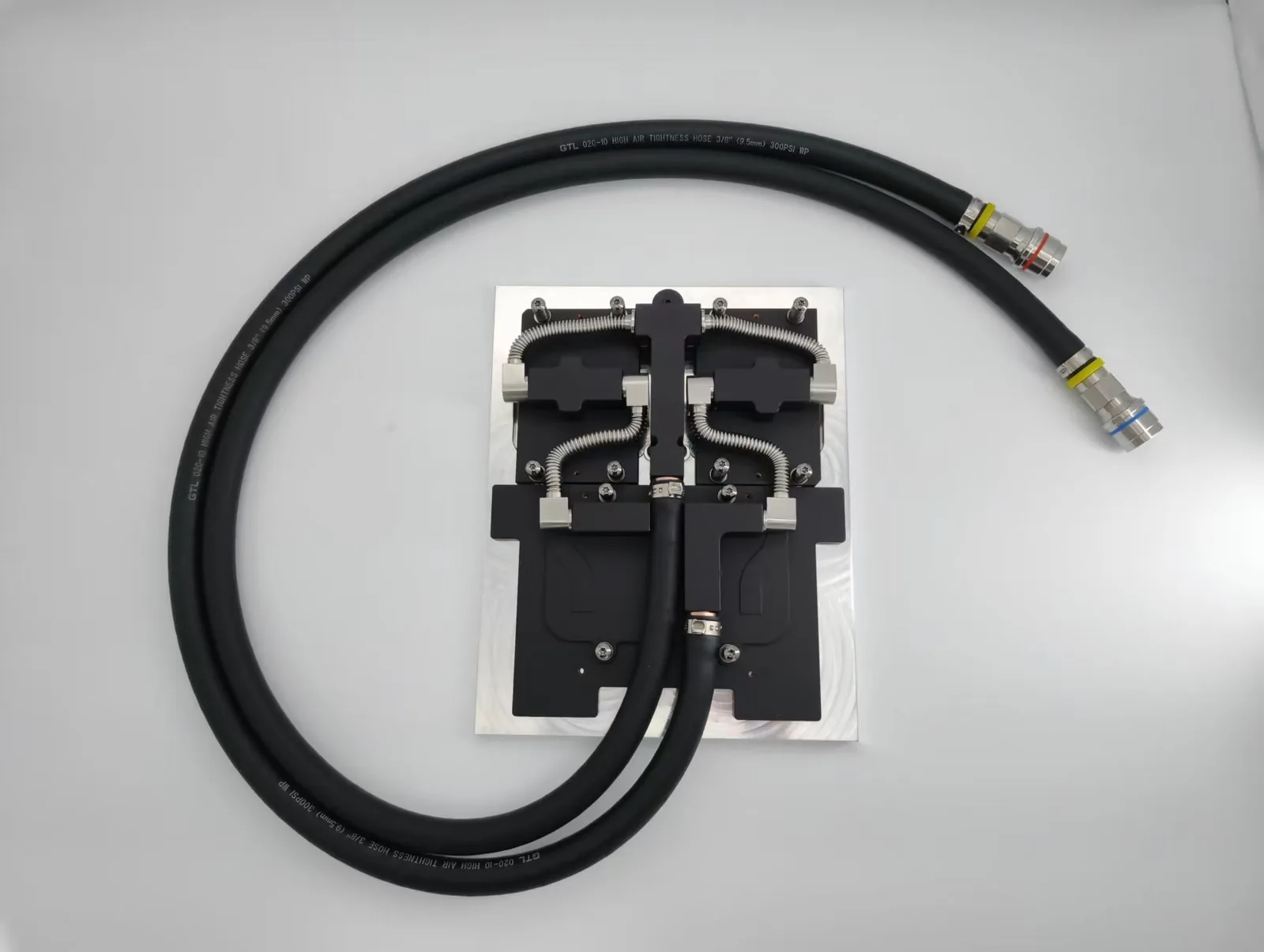
A 3D vapor chamber extends the vapor space from the base up into fins or heat pipes, so heat spreads in three dimensions and higher power can be handled in the same space. ToneCooling designs custom 3D vapor chambers.
A 3D vapor chamber is an advanced thermal management solution designed to dissipate heat effectively in compact devices. Its innovative structure ensures efficient cooling by evenly spreading heat across electronic components.
This technology has become vital in industries, powering smartphones, laptops, and other compact gadgets requiring superior thermal performance.

Evolution of Vapor Chamber Technology
Overview of 2D Vapor Chambers
Traditional vapor chambers emerged as an effective cooling method for electronic devices. These chambers relied on a flat, two-dimensional design to transfer heat away from components.
Their construction included a sealed metal enclosure filled with a working fluid, which absorbed heat through evaporation and released it through condensation. This mechanism provided consistent cooling for devices with moderate thermal demands.
Limitations Faced by 2D Designs
As devices became more compact and powerful, 2D vapor chambers struggled to meet increasing thermal requirements. Their flat design limited heat dissipation in systems with complex layouts or high-density components.
Uneven heat distribution often led to thermal hotspots, reducing performance and reliability. These limitations highlighted the need for a more advanced thermal management solution.
The Need for Advanced Cooling: 3D Designs
The demand for efficient cooling in high-performance devices drove innovation in vapor chamber technology. Engineers developed 3D vapor chambers to address the shortcomings of 2D designs.
By incorporating multi-dimensional structures, these chambers improved heat transport and adapted to intricate device architectures. This evolution marked a significant leap in thermal management, enabling modern electronics to operate at peak efficiency.
Design and Functionality of 3D Vapor Chambers
Materials and Construction
The construction of a 3D vapor chamber relies on carefully selected materials to achieve high thermal conductivity. Metals like copper and aluminum are commonly used due to their excellent heat transfer properties.
Copper, in particular, is preferred for its ability to handle high thermal loads efficiently. These materials form the outer shell, which houses the internal components responsible for cooling.
The design of the chamber includes a sealed enclosure filled with a working fluid. This fluid plays a critical role in the two-phase cooling mechanism by evaporating and condensing to transfer heat.
Engineers ensure proper design by optimizing the thickness and material composition of the chamber walls. This enhances durability while maintaining lightweight characteristics, making it suitable for compact devices.
Internal Structure and Wick Design
The internal structure of a 3D vapor chamber is a key factor in its thermal performance. It features a wick structure that facilitates the movement of the working fluid.
This wick is typically made from sintered metal, mesh, or grooves, each offering unique advantages in heat transfer efficiency. The choice of wick design depends on the specific cooling requirements of the device.
The wick’s primary function is to transport the condensed fluid back to the heat source through capillary action. This ensures continuous operation of the vapor chamber cooling process.
A well-designed wick structure improves thermal conductivity by evenly distributing the fluid and preventing dry-out conditions. This uniform distribution is essential for maintaining consistent cooling across the device.
Evaporation-Condensation Mechanism
The evaporation-condensation mechanism is the core principle behind the operation of a 3D vapor chamber. When heat is applied to the chamber, the working fluid absorbs the thermal energy and evaporates.
The vapor then travels to cooler regions within the chamber, where it releases the heat and condenses back into liquid form. This cycle repeats continuously, enabling efficient heat transfer.
The three-dimensional design of the chamber enhances this process by allowing multi-directional heat transport. Unlike traditional 2D designs, 3D vapor chambers can handle complex thermal layouts and high-density components.
This results in superior thermal performance, making them ideal for modern electronics. The integration of this mechanism ensures that devices remain cool even under heavy workloads.

Features and Benefits of Vapor Chamber Cooling Systems
Multi-Directional Heat Transport
3D vapor chamber cooling systems excel in multi-directional heat transport. Unlike traditional designs, these chambers distribute heat across multiple axes, ensuring even thermal management.
This capability allows them to handle intricate device layouts where heat sources are spread unevenly. By enabling efficient heat transfer in all directions, they prevent thermal hotspots and maintain device performance.
The multi-dimensional structure of these chambers also supports advanced cooling in high-density components. Devices like smartphones and gaming laptops benefit from this feature, as it ensures consistent heat dissipation even under heavy workloads. This innovation has redefined thermal management in modern electronics.
Enhanced Thermal Performance and Conductivity
Vapor chamber cooling systems offer superior thermal performance due to their advanced design. The combination of high-conductivity materials and optimized internal structures ensures effective heat transfer. Copper, often used in these chambers, enhances thermal conductivity, making them suitable for high-performance applications.
The evaporation-condensation cycle within the chamber further boosts thermal efficiency. This process allows rapid heat absorption and dissipation, keeping devices cool during intensive operations. Enhanced thermal performance not only improves reliability but also extends the lifespan of electronic components.
Adaptability for Compact and Complex Devices
The adaptability of vapor chamber cooling systems makes them ideal for compact and complex devices. Their three-dimensional design allows integration into tight spaces without compromising cooling efficiency. Engineers can customize these chambers to fit unique device architectures, ensuring optimal thermal management.
This adaptability has made vapor chamber cooling a preferred solution in industries like electronics and automotive. Devices with intricate layouts, such as foldable smartphones and electric vehicle components, benefit from their versatility.
By providing efficient heat transfer in challenging environments, these chambers support innovation in modern technology.
Applications of 3D Vapor Chambers
- Smartphones and Tablets: 3D vapor chambers are used to dissipate heat generated by processors, especially in gaming or high-performance tasks, ensuring better device performance and longer lifespan.
- Gaming Laptops and Notebooks: Gaming laptops can incorporate 3D vapor chambers to cool CPUs and GPUs, enhancing the thermal performance and preventing overheating during heavy workloads.
- Consumer Electronics: Used in various electronics, such as gaming consoles, to manage heat from high-performance components.
- LED Lighting Systems: 3D vapor chambers are used in high-power LED applications where thermal management is crucial for maintaining efficiency and extending product life.
- Electric Vehicles (EVs): In EVs, 3D vapor chambers help manage heat in battery packs, ensuring optimal performance and safety.
- High-Performance Computing (HPC) and Servers: 3D vapor chambers are integrated into servers and data centers to cool high-density processors and manage the heat produced by multiple active components.
- Medical Equipment: Used in medical devices that require precise thermal control, such as MRI machines or other high-tech diagnostic equipment.

Partner With ToneCooling For Customized Vapor Chambers
At ToneCooling, we manufacture high quality 3D and 2D vapor chambers designed for superior thermal management across various industries. Whether in electronics, automotive, or high-performance computing, our solutions ensure efficient heat dissipation for optimal device performance.
We work closely with clients to deliver customized designs using high-conductivity materials and innovative technologies. With our expertise, you can rely on long-lasting, efficient cooling solutions for your devices.
Partner with ToneCooling today to enhance your products’ reliability and performance with our advanced vapor chamber technology
For industry standards and best practices, refer to ASHRAE technical resources.
Frequently Asked Questions
What is a 3D vapor chamber?
A 3D vapor chamber is a vapor chamber whose sealed vapor space extends from the flat base up into heat pipes or vertical columns, forming one continuous working-fluid cavity that spreads heat in three dimensions. Removing the joint between a separate vapor chamber and its heat pipes lowers thermal resistance.
What is the difference between a 2D and a 3D vapor chamber?
A 2D vapor chamber spreads heat only across a flat plane, while a 3D vapor chamber also carries heat vertically into the fin stack through connected vapor columns. 3D designs suit high-power, compact coolers where heat must move both sideways and upward; see how to choose between 2D and 3D vapor chambers.
Where are 3D vapor chambers used?
3D vapor chambers are used in high-power GPU and CPU coolers, AI and server hardware, telecom equipment, and other compact electronics with concentrated heat sources. They are chosen when a flat vapor chamber with heat pipes cannot reach the thermal target in the available height.
Can ToneCooling make a custom 3D vapor chamber cooler?
Yes. ToneCooling designs custom 3D vapor chamber coolers around your heat source layout, footprint, and airflow, with thermal simulation before prototyping. Custom samples are available from a single piece, and an engineer reviews every RFQ and replies by email with next steps.
Get a Custom Thermal Solution from ToneCooling
ToneCooling is a professional liquid cooling solution provider specializing in custom cold plates, AIO coolers, and advanced thermal management systems. With ISO 9001 quality management and our own manufacturing facility in Huizhou, China, we deliver prototype samples typically within 4–6 weeks. Contact ToneCooling today for a free consultation and quote. An engineer reviews every RFQ and replies by email with next steps.
For industry standards and best practices, refer to ASHRAE technical resources.
Get a Custom Thermal Solution from ToneCooling
ToneCooling is a professional liquid cooling solution provider specializing in custom cold plates, AIO coolers, and advanced thermal management systems. With ISO 9001 quality management and our own manufacturing facility in Huizhou, China, we deliver prototype samples typically within 4–6 weeks. Contact ToneCooling today for a free consultation and quote. An engineer reviews every RFQ and replies by email with next steps.
References: ASHRAE thermal standards
Why Choose ToneCooling for Vapor Chamber Design Guide
Engineering review and prototype planning are based on the project requirements. Custom prototype lead time is normally 4–6 weeks after drawing approval and order confirmation; confirm the production schedule in the quotation.
Need a Custom Liquid Cold Plate?
ToneCooling engineers review your drawings and requirements and reply by email with next steps.
Last updated: 2026-10-02