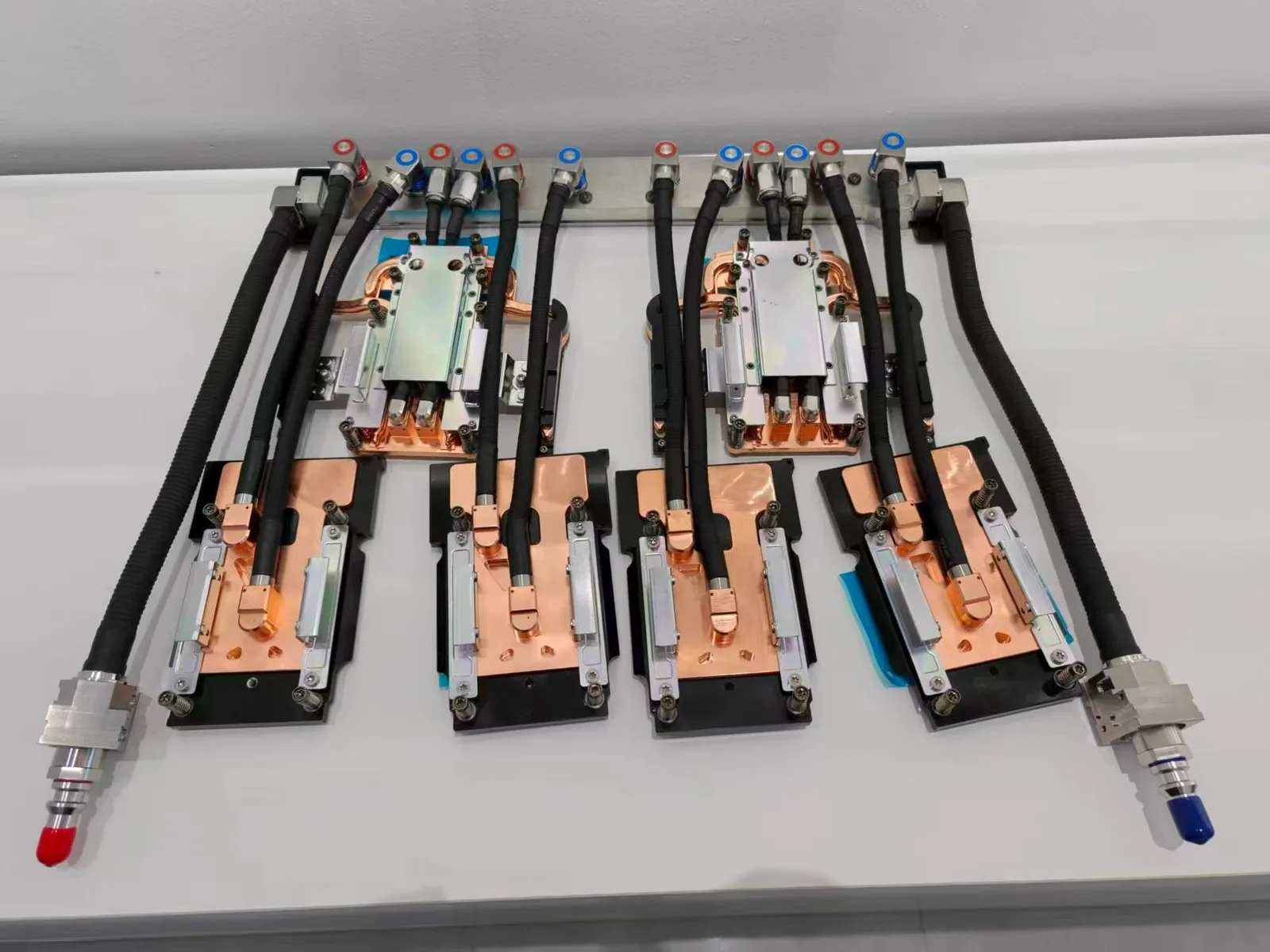
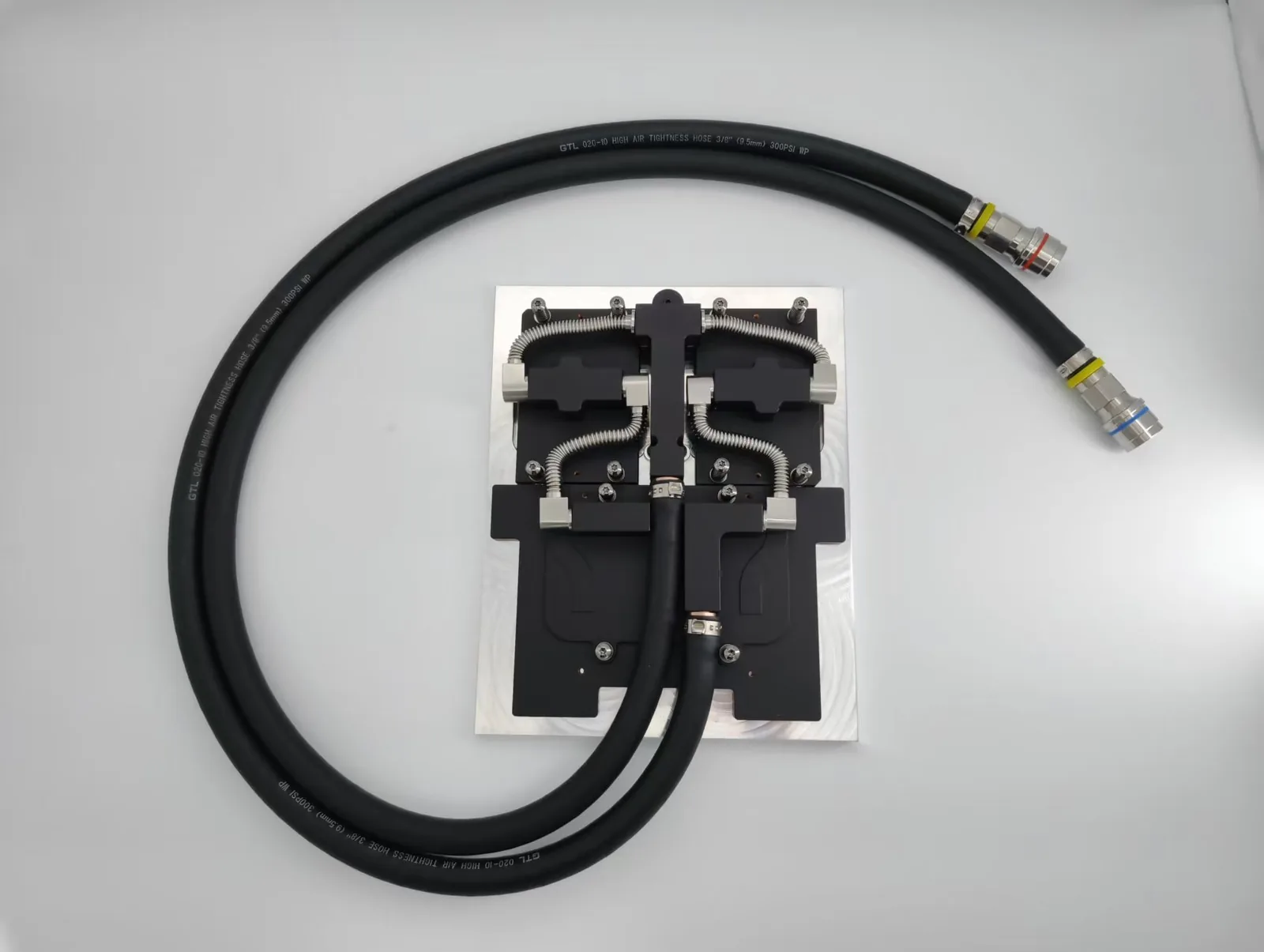
Choose a 2D vapor chamber when heat only needs spreading across a flat base, and a 3D vapor chamber when higher power must also be carried up into the fins. ToneCooling helps engineers choose and builds both.
Vapor chambers play a vital role in managing heat in electronic devices. 2D vapor chambers, with their flat design, suit compact devices where space is limited.
On the other hand, 3D vapor chambers feature advanced structures that deliver superior cooling for high-performance systems.
Selecting the right type ensures optimal thermal management and device longevity.

What Are Vapor Chambers
Vapor chambers are advanced thermal management devices used in electronics. They are flat, sealed structures filled with a working fluid that helps transfer heat efficiently. These chambers rely on phase change technology, where the fluid inside evaporates and condenses to move heat away from hot spots.
The design of a vapor chamber allows it to spread heat evenly across its surface. This feature makes it ideal for applications requiring consistent thermal performance. Vapor chamber technology has become essential in modern devices, ensuring reliable cooling and preventing overheating.
How Vapor Chamber Cooling Works
Vapor chamber cooling operates on the principles of heat transfer and phase change. When heat is generated by a device, it causes the working fluid inside the chamber to evaporate. The vapor then moves to cooler areas within the chamber, where it condenses back into liquid form. This cycle repeats continuously, enabling efficient heat dissipation.
The internal structure of a vapor chamber includes a wick that helps return the condensed liquid to the heat source. This process ensures a steady flow of fluid, maintaining consistent thermal performance. Vapor chamber cooling is highly effective in managing heat in compact and high-performance electronics.

Comparing 2D and 3D Vapor Chambers
Design and Structure
The design of vapor chambers varies significantly between 2D and 3D models. A 2D vapor chamber features a flat, compact structure. This design makes it suitable for devices with limited space, such as smartphones and tablets. Its thin profile ensures it integrates seamlessly into ultra-thin electronics.
In contrast, a 3D vapor chamber incorporates a more intricate structure. It often includes additional layers or channels to enhance heat transfer. This design supports high-performance electronic devices that generate substantial heat.
A two-piece vapor chamber or one-piece vapor chamber construction may be used, depending on the application. These structural differences directly impact their thermal capabilities and applications.
Performance and Efficiency
The performance of vapor chambers depends on their ability to manage heat effectively. A 2D vapor chamber excels in compact devices where space constraints limit the use of larger cooling solutions. It provides efficient heat transfer across its surface, ensuring consistent thermal performance. However, its capacity for heat dissipation is lower compared to 3D models.
A 3D vapor chamber delivers superior thermal performance. Its advanced design supports effective cooling in devices with high thermal loads. This makes it ideal for high-performance electronic devices like gaming laptops and servers.
The enhanced structure allows for efficient heat transfer, ensuring reliable operation under demanding conditions. Vapor chamber cooling in 3D models is optimized for applications requiring maximum heat dissipation.
Applications of 2D and 3D Vapor Chambers
2D vapor chambers are commonly used in compact electronics. Smartphones, tablets, and ultra-thin laptops benefit from their slim design and efficient cooling capabilities. These chambers ensure devices remain cool without compromising their form factor.
3D vapor chambers find applications in high-performance systems. Gaming consoles, data centers, and advanced computing devices rely on their ability to handle significant heat loads.
Their intricate design supports effective cooling in scenarios where thermal management is critical. The versatility of 3D vapor chambers makes them a preferred choice for demanding applications.

Choosing the Right Vapor Chamber
Device Type and Size
The type and size of a device play a critical role in selecting the appropriate vapor chamber. Compact devices like smartphones, tablets, and ultra-thin laptops benefit from 2D vapor chambers.
Their flat and slim design integrates seamlessly into these electronics, ensuring efficient heat transfer without adding bulk. For devices with limited internal space, this option provides a reliable thermal management solution.
High-performance systems, such as gaming laptops and servers, often require 3D vapor chambers. These devices generate significant heat, demanding a more advanced cooling technology.
The intricate structure of a 3D vapor chamber supports high-speed heat transfer, making it suitable for high heat flux applications. Evaluating the size and thermal demands of the device ensures the vapor chamber aligns with its cooling requirements.
Thermal Performance Needs
Understanding the thermal performance needs of a device is essential when choosing a vapor chamber. Devices with moderate heat generation, such as smartphones or tablets, typically require a 2D vapor chamber. This option provides effective cooling by evenly distributing heat across its surface. It ensures stable operation without over-engineering the thermal management system.
For devices with higher thermal loads, a 3D vapor chamber offers superior thermal conductivity. Its advanced design handles significant heat dissipation, making it ideal for demanding applications like data centers and gaming consoles.
The components of vapor chamber cooling systems in 3D models are optimized for efficient heat transfer, ensuring reliable performance under extreme conditions. Matching the vapor chamber to the device’s thermal performance needs guarantees optimal operation.
Budget Considerations
Budget constraints often influence the choice between 2D and 3D vapor chambers. A 2D vapor chamber is generally more cost-effective due to its simpler design and manufacturing process.
This makes it a practical choice for devices with moderate thermal management needs. For manufacturers aiming to balance performance and cost, 2D vapor chambers provide an affordable thermal management solution.
In contrast, 3D vapor chambers involve higher production costs due to their complex structure. These chambers are better suited for applications where performance outweighs budget concerns.
Devices requiring advanced thermal management solutions, such as gaming laptops or servers, justify the investment in a 3D vapor chamber heatsink. Considering the budget alongside the device’s thermal requirements ensures a cost-effective yet efficient cooling system.

Conclusion
Choosing between 2D and 3D vapor chambers depends on the specific needs of the device. 2D vapor chambers suit compact electronics, while 3D vapor chambers excel in high-performance systems. Aligning the choice with device type, thermal demands, and budget ensures effective cooling. Evaluating these factors carefully leads to optimal thermal management.
For industry standards and best practices, refer to ASHRAE technical resources.
Frequently Asked Questions
Does ToneCooling offer OEM and ODM services?
Yes. ToneCooling provides full OEM and ODM services including custom design, prototyping, thermal simulation, and volume production. We serve customers in North America, Europe, and Asia-Pacific with engineering support and samples within 4–6 weeks.
How does a vapor chamber differ from a heat pipe?
A vapor chamber spreads heat in two dimensions across a flat surface, while a heat pipe transfers heat along a single axis. Vapor chambers are ideal for high heat flux applications like GPU cooling where uniform heat spreading is critical.
Get a Custom Thermal Solution from ToneCooling
ToneCooling is a professional liquid cooling solution provider specializing in custom cold plates, AIO coolers, and advanced thermal management systems. With ISO 9001 quality management and our own manufacturing facility in Huizhou, China, we deliver prototype samples typically within 4–6 weeks. Contact ToneCooling today for a free consultation and quote. An engineer reviews every RFQ and replies by email with next steps.
For industry standards and best practices, refer to ASHRAE technical resources.
Get a Custom Thermal Solution from ToneCooling
ToneCooling is a professional liquid cooling solution provider specializing in custom cold plates, AIO coolers, and advanced thermal management systems. With ISO 9001 quality management and our own manufacturing facility in Huizhou, China, we deliver prototype samples typically within 4–6 weeks. Contact ToneCooling today for a free consultation and quote. An engineer reviews every RFQ and replies by email with next steps.
References: ASHRAE thermal standards
Why Choose ToneCooling for 3D Vapor Chamber Design
Engineering review and prototype planning are based on the project requirements. Custom prototype lead time is normally 4–6 weeks after drawing approval and order confirmation; confirm the production schedule in the quotation.
Need a Custom Liquid Cold Plate?
ToneCooling engineers review your drawings and requirements and reply by email with next steps.
Last updated: 2026-10-02