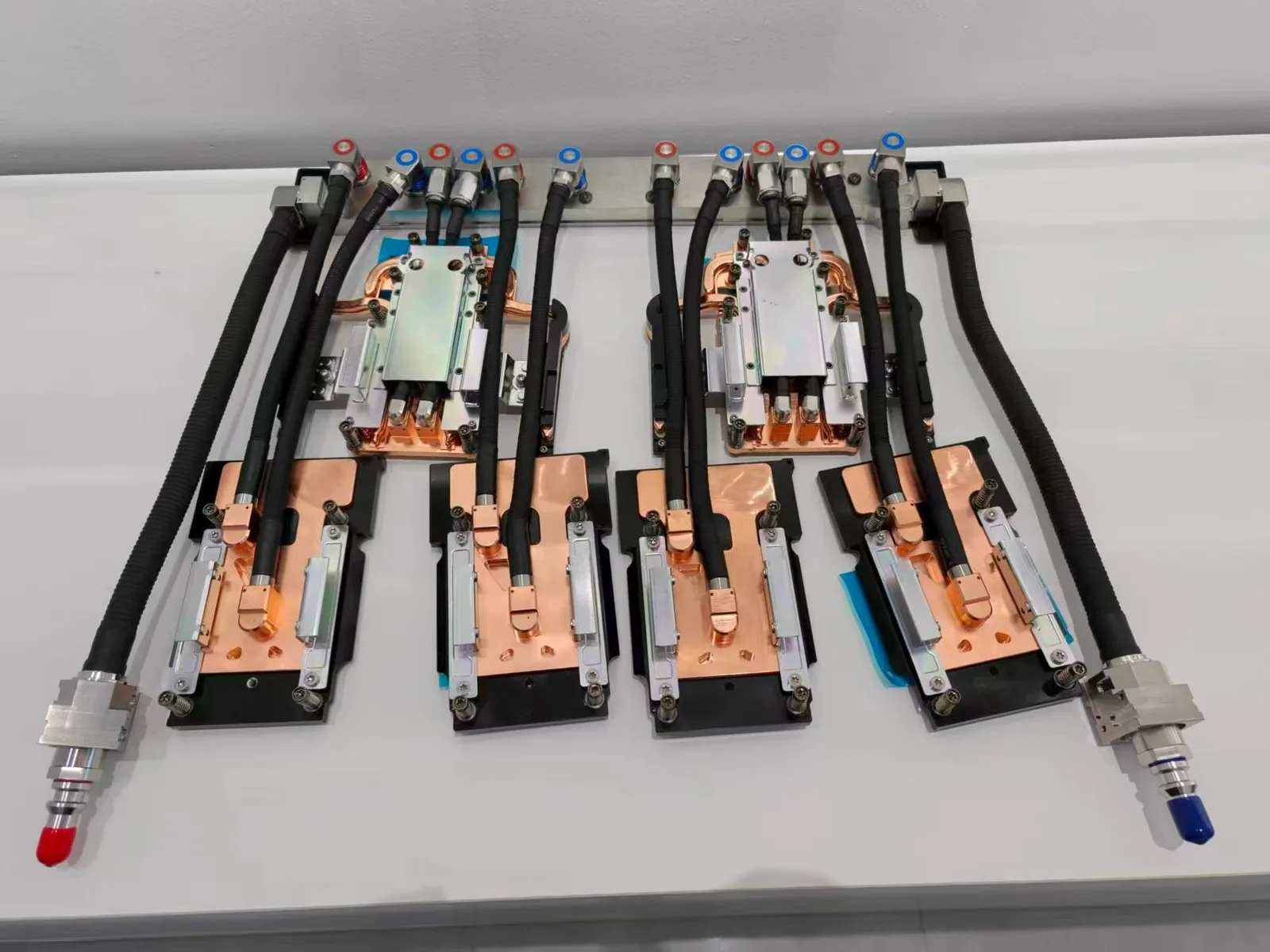
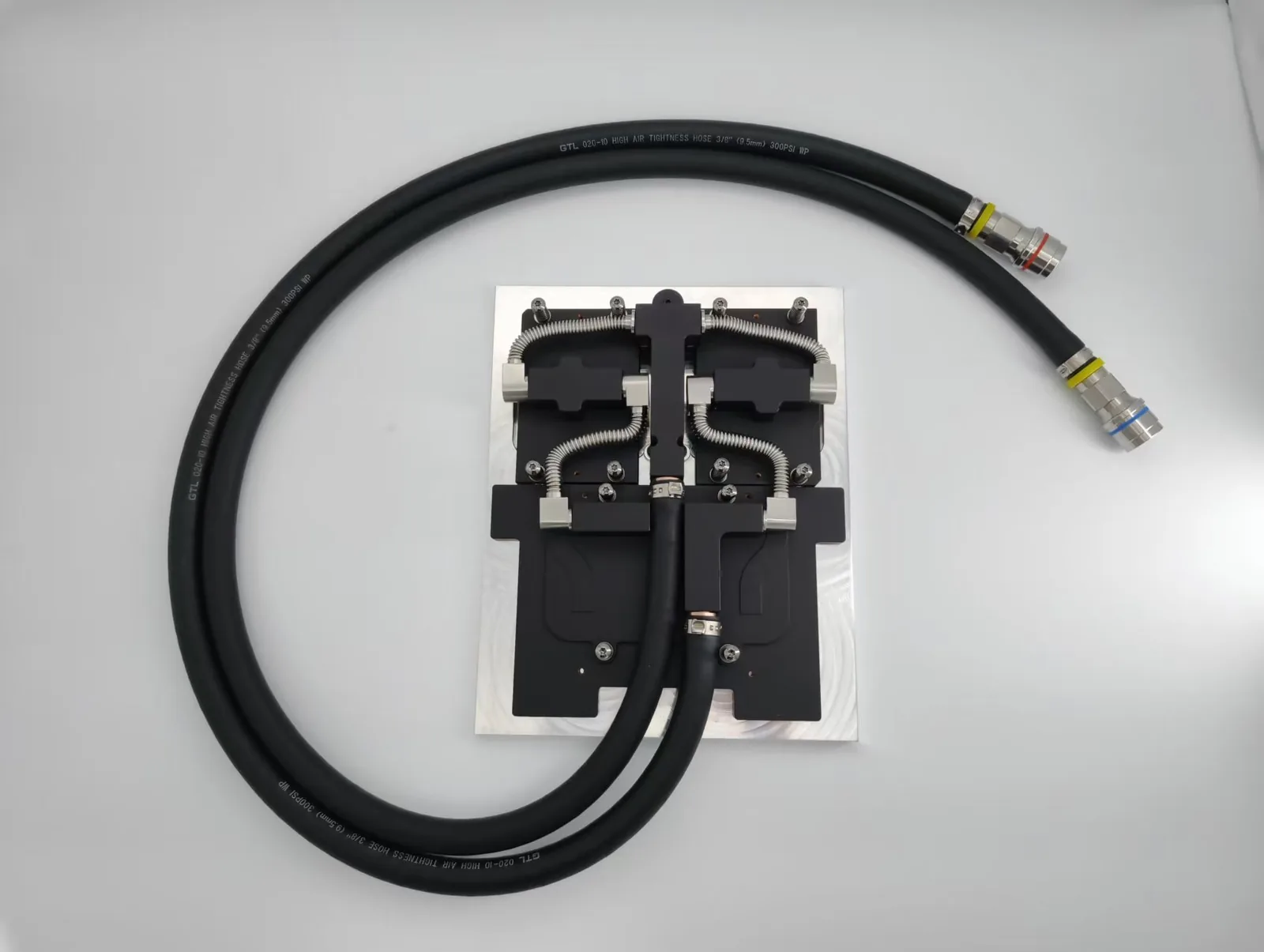
A vapor chamber is a flat, vacuum-sealed metal chamber, usually copper, lined with a wick and holding a small amount of working fluid: heat evaporates the fluid at the hot spot, the vapor spreads and condenses on cooler surfaces, and the wick returns the liquid, so heat is spread evenly in two dimensions. ToneCooling manufactures custom vapor chambers for industrial, telecom and server electronics.
Vapor chamber cooling serves as a cutting-edge thermal management solution. You can rely on it to efficiently dissipate heat in modern devices, ensuring optimal performance. Its design enables compact systems to handle high-performance tasks without overheating. This advanced thermal management method has become essential for maintaining device reliability and extending operational life.
Vapor chambers are widely used in modern electronics to manage rising thermal loads efficiently. Compared with traditional heat pipes, vapor chambers offer better heat spreading in two dimensions, making them ideal for compact high-performance devices. This article explains how vapor chamber cooling works, their advantages, and real-world applications across industries.

What is a Vapor Chamber?
Vapor chamber is a sophisticated thermal management solution designed to handle the heat generated by modern electronic devices. It uses the principles of phase change and efficient heat transfer to maintain optimal thermal performance. You can think of it as a flat, sealed structure that spreads heat evenly across its surface, preventing hotspots and ensuring consistent cooling.
The primary purpose of vapor chamber cooling is to enhance the reliability and performance of compact, high-power systems. Devices like smartphones, laptops, and gaming consoles rely on this technology to manage heat effectively.
By using vapor chambers cooling manufacturers can achieve efficient heat transfer in smaller spaces, making it ideal for today’s increasingly compact designs. This approach not only improves device longevity but also supports higher performance levels without the risk of overheating.
Components of Vapor Chambers
A vapor chamber cooling consists of several critical components that work together to deliver efficient cooling.
- At its core, the chamber contains a sealed, vacuum-tight enclosure filled with a small amount of working fluid, often water. This fluid plays a vital role in the cooling process by undergoing phase changes between liquid and vapor states.
- Inside the chamber, a wick structure lines the inner walls. This porous material facilitates the movement of the working fluid, ensuring it returns to the heat source after condensation. The wick also helps distribute the fluid evenly, enabling consistent thermal performance.
- The outer surface of the vapor chamber acts as a heat spreader, transferring heat away from the source to prevent localized overheating.
These components work in harmony to create a highly efficient cooling system. By leveraging the properties of vapor and condensation, vapor chambers provide a reliable solution for managing heat in high-performance devices.
How Does a Vapor Chamber Work?
The Phase Change Process
The process begins with the phase change of the working fluid inside the chamber. When heat from a source, such as processors, enters the vapor chamber, it causes the liquid to evaporate into vapor. This transformation absorbs a significant amount of heat, effectively reducing the temperature at the heat source. The vapor then travels to cooler areas within the chamber.
Once the vapor reaches these cooler regions, it condenses back into liquid form. This phase change releases the absorbed heat, which is then dissipated through the chamber’s surface. This cycle of evaporation and condensation ensures efficient heat transfer and maintains consistent.
Heat Spreading and Dissipation
Vapor chambers excel at spreading heat evenly across their surface. Unlike traditional cooling systems, which may struggle with hotspots, vapor chambers distribute heat uniformly. This even distribution enhances the heat dissipation capabilities of the system. The outer surface of the chamber acts as a thermal interface material, transferring heat away from the source to prevent overheating.
This advanced thermal management technology ensures that electronic devices, such as laptops and gaming consoles, operate at optimal temperatures. By improving heat dissipation, vapor chambers enable devices to handle high-performance tasks without compromising reliability.
Role of Wick Structures and Working Fluid
The wick structure inside the vapor chamber plays a crucial role in its operation. This porous material lines the inner walls and facilitates the movement of the working fluid. After condensation, the wick transports the liquid back to the heat source through capillary action. This ensures a continuous cycle of evaporation and condensation.
The working fluid, often water, is carefully chosen for its thermal properties. It must evaporate and condense efficiently to support the chamber’s cooling process. Together, the wick structure and working fluid enable vapor chambers to achieve efficient heat transfer and maintain superior thermal performance

Types of Vapor Chamber
1. Ultra-Thin Vapor Chambers
Ultra thin vapor chambers are exceptionally slim, typically under 1mm thick, making them ideal for compact devices like smartphones, tablets, and ultra-thin laptops. Despite their thin profile, they use high-purity copper and optimized wick structures to enable rapid evaporation and condensation of the working fluid. This design delivers excellent thermal spreading and efficient heat dissipation in tight spaces, improving device reliability and performance without adding bulk.
2. 3D Vapor Chambers
Featuring intricate three-dimensional internal structures, 3D vapor chambers enhance heat transfer by increasing fluid flow pathways and vapor distribution. Their multi-layered metal construction and complex wick patterns maximize cooling efficiency, which is critical for high-power components such as gaming GPUs, high-end CPUs, and server hardware. These chambers manage high heat fluxes effectively, reducing hotspots and maintaining stable operation under heavy loads.
3. Modular Two-Piece Vapor Chambers
Two-piece vapor chambers are constructed by separately manufacturing the evaporator and condenser sections, which are then assembled. This modular design allows engineers to optimize each part independently for improved thermal performance and fluid flow. It provides flexibility in size and shape, making it suitable for industrial or specialized applications that require tailored cooling solutions. The complexity of the assembly typically results in higher production costs.
4. Economical One-Piece Vapor Chambers
One-piece vapor chambers are produced as a single sealed unit with an integrated wick structure. This simpler manufacturing process reduces cost and ensures reliable thermal performance, making it ideal for mass-produced consumer electronics where compactness and affordability are priorities. However, their fixed shape and size limit customization and adaptability.
Advantages of Vapor Chambers
- Efficient Heat Transfer: Vapor chambers achieve superior heat transfer by enabling continuous circulation of the working fluid inside the sealed chamber. This rapid phase change from liquid to vapor and back ensures fast and effective cooling of electronic components.
- Uniform Cooling: The design of vapor chambers allows heat to spread evenly across the entire base plate. This uniform heat distribution prevents hotspots, which can degrade performance and cause premature failure, thus enhancing the overall stability of the device.
- Slim and Compact Profile: Compared to traditional heat sinks and heat pipes, vapor chambers have a much thinner form factor. This makes them ideal for compact electronics where space is at a premium, such as ultrathin laptops, smartphones, and wearable devices.
- Customization and Versatility: Vapor chambers can be tailored to specific thermal management needs by varying wick structures, working fluids, and chamber sizes. This flexibility allows their use across diverse applications—from consumer electronics to high-power industrial equipment.
- Extended Device Lifespan: By efficiently managing and dissipating heat, vapor chambers help reduce the risk of overheating. This thermal stability protects sensitive components, contributing to longer device life and improved reliability.
- Lightweight Design: Despite offering superior heat spreading performance, vapor chambers weigh less than copper heat sinks of the same size. This advantage is crucial for portable electronics and applications requiring weight reduction.
Disadvantages of Vapor Chambers
Higher Manufacturing Costs
Vapor chambers involve intricate designs and precise fabrication processes. These factors drive up production expenses compared to conventional heat sinks and heat pipes, making them a more costly option, especially for budget-sensitive applications.
Engineering and Integration Challenges
Designing effective vapor chamber cooling systems requires advanced thermal engineering expertise. Proper wick structure design, fluid selection, and chamber sealing are critical and complex tasks. This complexity extends to integration within devices, demanding careful thermal interface management to ensure optimal performance.
Limited Scalability for Low-End Applications
Due to cost and complexity, vapor chambers may not be practical for low-power or cost-driven products where simpler cooling solutions suffice. Their benefits are most pronounced in high-performance or space-constrained environments.
Despite these limitations, vapor chamber cooling remains a preferred choice in high-end electronics where superior heat dissipation is essential to maintain performance and reliability under demanding conditions.
Applications Of Vapor Chamber Cooling
You encounter vapor chamber in a wide range of electronic devices and industrial systems. Smartphones, laptops, and gaming consoles often rely on this technology to maintain stable thermal performance during intensive tasks. Vapor chambers ensure these devices operate efficiently by preventing overheating and enabling consistent heat dissipation.
In industrial applications, vapor chamber cooling plays a vital role in managing heat in high-power equipment. Servers, data centers, and telecommunications systems benefit from its ability to handle compact designs while delivering efficient heat transfer. This makes it an indispensable solution for industries requiring reliable thermal management in space-constrained environments.
Vapor Chamber vs Traditional Heat Pipe
Vapor chambers represent a more advanced and efficient thermal solution compared to traditional heat pipes. While both technologies manage heat transfer through phase change of a working fluid, their structures and heat distribution methods differ significantly.
A heat pipe is essentially a sealed metal tube partially filled with a liquid, usually water. When one end of the heat pipe heats up, the liquid evaporates and moves as vapor to the cooler end, where it condenses back into liquid and releases heat. This cycle repeats continuously, transferring heat mainly along the pipe’s length in one direction.
In contrast, vapor chamber cooling consists of a flat, multi-layered metal plate with an internal wick structure made from porous materials like copper or sintered powder. This wick evenly spreads the liquid inside the chamber. When heat is applied, the liquid evaporates and the vapor spreads out uniformly across the entire surface of the chamber. This two-dimensional heat spreading provides a more consistent temperature distribution and improved cooling performance over traditional heat pipes.
In summary, heat pipes transfer heat efficiently along a single axis, while vapor chambers excel at spreading heat evenly in two dimensions, making them better suited for applications requiring uniform cooling over a larger area.
Emerging Uses in High-Performance Systems
The demand for vapor chamber continues to grow in high-performance systems. Advanced computing platforms, such as gaming PCs and workstations, increasingly adopt vapor chambers to handle the heat generated by powerful processors. Electric vehicles and renewable energy systems also explore this technology for its efficient heat transfer capabilities.
As industries push the boundaries of performance, vapor chamber cooling is becoming a cornerstone of thermal management. Their adaptability and effectiveness make them a preferred choice for emerging applications requiring robust cooling solutions.

Factors to Consider When Choosing Vapor Chamber Cooling
When evaluating vapor chamber cooling for your device, you must consider several factors to ensure it meets your thermal management needs. While this technology offers excellent thermal performance, it may not always be the ideal solution for every application.
- Design Complexity: Vapor chambers require precise engineering to function effectively. Their integration into a device demands careful planning, especially in compact systems. You need to assess whether your design can accommodate the chamber’s structure and components.
- Cost Implications: Compared to traditional cooling methods, vapor chambers often come with higher manufacturing costs. This can impact the overall budget of your project, particularly for large-scale production.
- Material Compatibility: The materials used in the chamber must align with your device’s operating environment. Factors like temperature range, humidity, and potential chemical interactions can influence the chamber’s durability and efficiency.
- Performance Requirements: Not all devices generate the same amount of heat. You should evaluate whether the thermal performance of vapor chambers matches your system’s specific needs. For low-power devices, simpler cooling solutions might suffice.
- Maintenance and Longevity: Although vapor chambers are durable, their performance can degrade over time due to wear or contamination. Regular maintenance may be necessary to ensure consistent cooling efficiency.
- Thermal Interface Material (TIM) Quality: The effectiveness of heat transfer depends heavily on the quality and proper application of thermal interface materials between the vapor chamber and the heat source. Poor TIM can cause thermal resistance and reduce cooling efficiency.
- Size and Form Factor Constraints: Ensure the vapor chamber fits within your device’s spatial limits. Vapor chambers must be compatible with the physical design, especially in slim or compact electronics.
- System Integration: Vapor chambers usually work alongside other cooling components such as heat sinks or fans. The overall thermal management system design impacts the final cooling performance.
- Environmental Conditions: Consider how factors like operating temperature range, humidity, and mechanical vibrations affect vapor chamber performance and lifespan.
- Sealing Reliability: A vapor chamber’s sealing integrity is critical. Leakage of the working fluid due to seal failure will degrade thermal performance and reduce product reliability.
How Is a Custom Vapor Chamber Designed for Industrial Electronics?
Engineers start from the heat map and the space available, then choose the chamber material, wick structure (sintered powder, mesh or grooves), internal supports and thickness, and finally the heat sink or cold plate it bonds to. Samples are built and tested against the target temperature before production.
What to send for a custom vapor chamber quote:
- Heat source size and power for each device
- Allowed footprint, thickness and mounting holes
- Orientation, operating and storage temperature range
- The heat sink or cold plate the chamber attaches to
- Quantity and target sample date
See our custom vapor chambers, compare vapor chambers and liquid cold plates, or send an RFQ.
FAQs
What is the difference between a vapor chamber and a heat pipe?
A vapor chamber spreads heat evenly in a 2D plane, while a heat pipe transfers heat along a single direction. Vapor chambers are preferred for compact, high-power electronics.
Are vapor chambers better than heatsinks?
Vapor chambers provide faster heat spreading and improved thermal performance in tight spaces where conventional heatsinks may fall short.
What devices use vapor chamber cooling technology?
You’ll find vapor chambers in gaming laptops, smartphones, GPUs, and 5G telecom equipment—anywhere thermal density is high.
What are the limitations of vapor chambers?
They are more expensive to manufacture and may require precise flatness control, which can increase production complexity.
Comclusion
Vapor chamber cooling offers an innovative solution for managing heat in modern devices. You benefit from its ability to spread heat evenly, ensuring reliable performance in compact systems. Its growing use in electronics and industries highlights its versatility. As technology advances, you can expect vapor chamber cooling system to play a pivotal role in next-generation thermal management.
Get a Custom Thermal Solution from ToneCooling
ToneCooling is a professional liquid cooling solution provider specializing in custom cold plates, AIO coolers, and advanced thermal management systems. With ISO 9001 quality management and our own manufacturing facility in Huizhou, China, we deliver prototype samples typically within 4–6 weeks. Contact ToneCooling today for a free consultation and quote. An engineer reviews every RFQ and replies by email with next steps.
References: ASHRAE thermal standards
Why Choose ToneCooling for Vapor chamber cooling
ToneCooling provides professional vapor chamber cooling solutions with custom designs, engineering review and prototype samples. Our vapor chamber cooling products serve data center, EV, industrial, and semiconductor applications worldwide.
Contact ToneCooling for custom vapor chamber cooling solutions. Visit tonecooling.com or email info@tonecooling.com. US: +1 (832) 720-7542. An engineer reviews every RFQ and replies by email with next steps.
Why Choose ToneCooling for Custom Vapor Chamber Manufacturer
Engineering review and prototype planning are based on the project requirements. Custom prototype lead time is normally 4–6 weeks after drawing approval and order confirmation; confirm the production schedule in the quotation.
Need a Custom Vapor Chamber?
Send your heat map, envelope and operating conditions. An engineer reviews every RFQ and replies by email with next steps.
Last updated: 2026-10-02
Related guides
- Vapor chamber manufacturer checklist — what to check before you choose a supplier
- Custom vapor chambers — designs built to your heat source
- Vapor chamber vs heat pipe — differences and when to use each
- High-power vapor chamber design guide — heat flux, wick and thickness
- Vapor chambers in smartphones — thin vapor chambers in phones