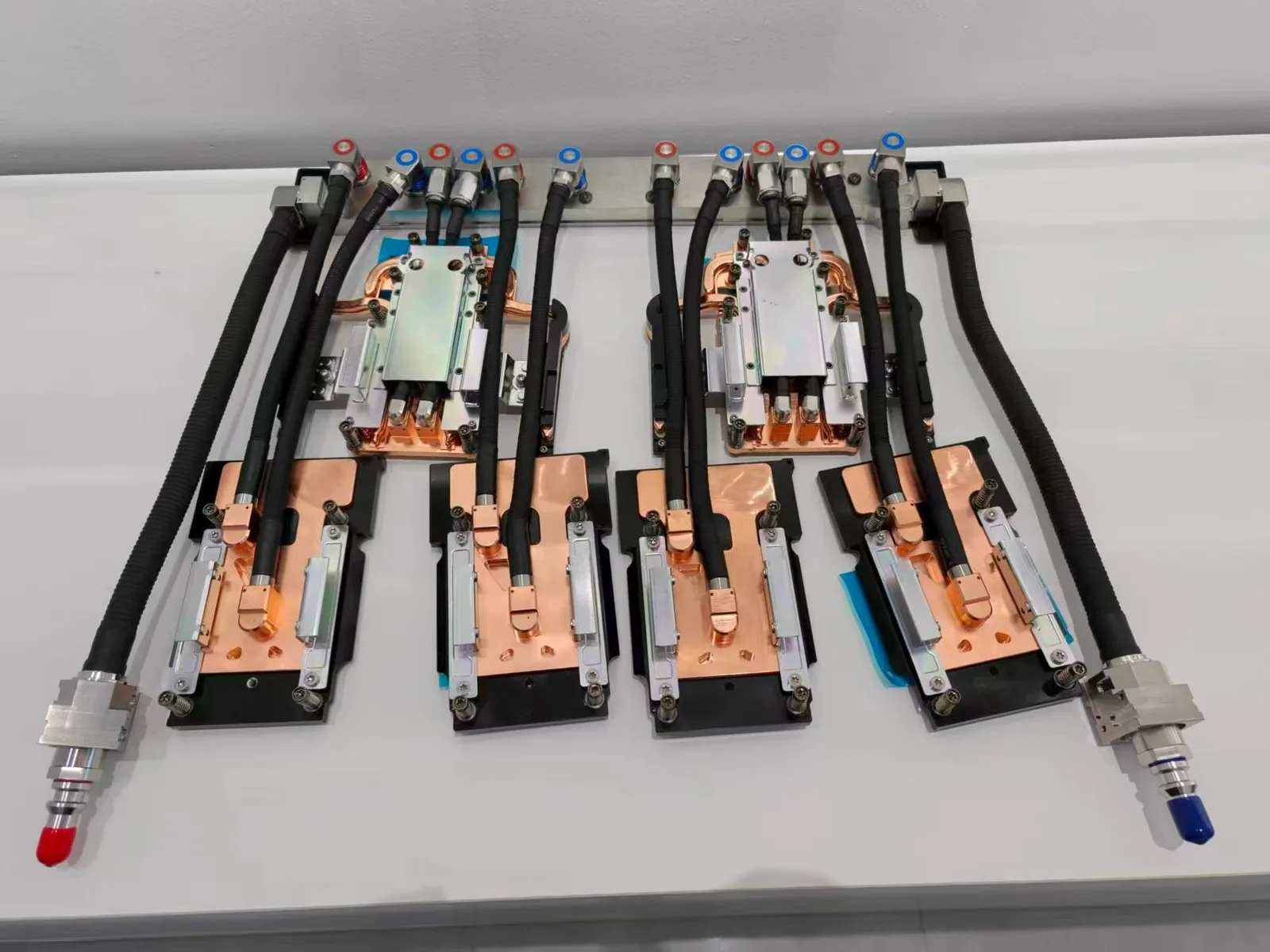
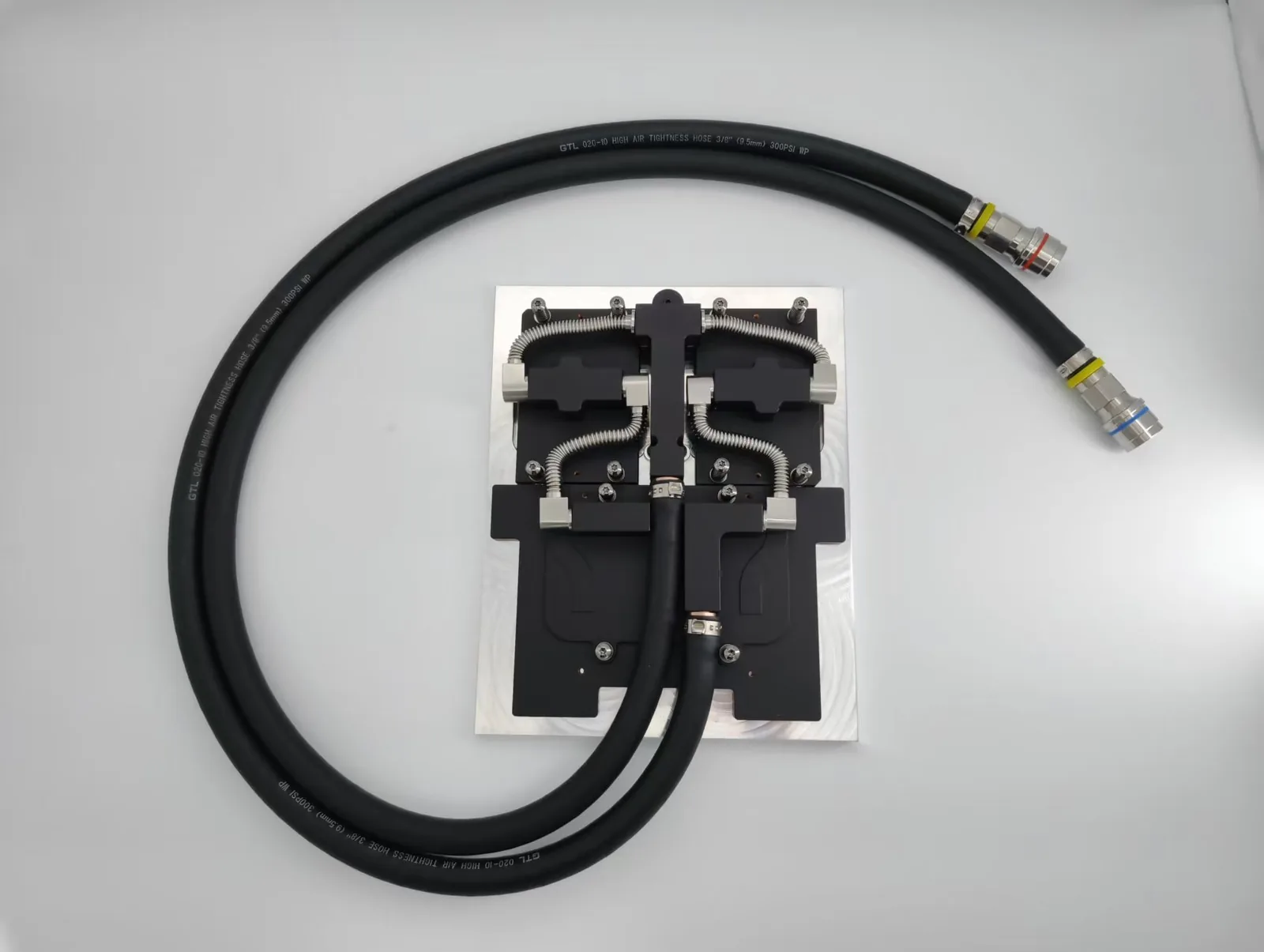
A reliable vapor chamber manufacturer designs, builds and tests vapor chambers in its own facility, can show performance data for a heat source like yours, controls sealing and vacuum quality, and supports DFM review from drawing to production. ToneCooling, a thermal management manufacturer with our own facility in Huizhou, China, explains what to check before you choose a supplier.
If you’re sourcing vapor chambers for your electronic or thermal management projects, choosing the right manufacturer can make or break your product’s performance. A vapor chamber isn’t a simple metal plate—it’s a precision-engineered, vacuum-sealed thermal device that demands technical expertise, material quality, and consistent production standards.
In global B2B sourcing, it’s common to find dozens of suppliers claiming to provide “high-efficiency vapor chambers.” But not every factory can meet your product’s tolerance, flatness, or quality validation needs. This guide helps you understand what truly defines a reliable vapor chamber manufacturer, how to evaluate them, and what to look for before placing your order.

Why Choosing the Right Manufacturer Matters?
A vapor chamber directly influences your device’s thermal performance and lifespan. Poor-quality chambers can lead to heat buildup, component failure, and wasted R&D investment.
Reliable manufacturers ensure:
Consistent thermal performance through precise internal wick structures.
Tight flatness control for proper contact between the chamber and heat source.
Leak-free sealing that prevents fluid loss or contamination.
Accurate simulation and testing that guarantee performance under real load conditions.
When you’re scaling production or working with sensitive electronics—such as CPUs, GPUs, or battery packs—quality consistency matters more than cost. A reliable supplier provides stable performance, documented testing, and support during design integration.
What a Vapor Chamber Manufacturer Actually Does?
To choose the right partner, you first need to understand the process behind vapor chamber production.
A vapor chamber manufacturer is responsible for:
Material Selection: Usually copper, though aluminum or composite options exist for lightweight designs.
Wick Fabrication: Sintered, mesh, or grooved structures determine how fast liquid returns to the heat source.
Chamber Assembly: Joining upper and lower plates through diffusion bonding, laser welding, or vacuum brazing.
Vacuum Sealing & Fluid Filling: The chamber is evacuated and charged with a precise amount of working fluid.
Leak Testing & Validation: Each unit undergoes pressure, flatness, and thermal performance testing.
Every step demands specialized equipment and process control. A true manufacturer—not just a trading company—should show you their production capability, in-house testing equipment, and traceable quality data.
Key Criteria for Evaluating a Vapor Chamber Manufacturer
a. Manufacturing Capability
Ask whether the manufacturer handles the full process internally or outsources parts. Full in-house capability reduces variability and improves lead time.
Do they control material sourcing?
Can they produce different thicknesses and shapes?
What’s their flatness tolerance (for example, ≤0.02 mm)?
Do they support custom designs or only standard models?
b. Quality Control and Certification
A dependable manufacturer follows strict quality systems such as ISO 9001:2015, AS9100 or ISO 14001. You should verify:
Vacuum leak detection reports
Dimensional inspection results
Surface flatness and roughness testing
Thermal resistance or temperature uniformity data
c. Experience and Engineering Support
Experienced manufacturers offer more than just production—they help optimize your design. The best ones provide:
CAD/CAE simulation for thermal performance prediction
Design-for-manufacturing feedback
Prototype sampling before mass production
On-site or online technical consultation
d. Material and Process Transparency
Some low-cost suppliers may use recycled copper or inconsistent wick sintering, leading to performance variation. Reliable manufacturers disclose:
Copper purity levels (typically ≥99.9%)
Type of wick material and porosity rate
Process parameters (temperature, vacuum pressure)
Working fluid specifications (water, acetone, methanol)
Transparency is a strong indicator of professionalism and trustworthiness.
e. Production Scale and Flexibility
If your project moves from prototyping to large-scale production, the manufacturer should handle both. Check:
Minimum order quantity (order quantity)
Lead time flexibility for custom samples
Production line automation level
Batch consistency across runs
f. Communication and After-Sales Service
For global B2B cooperation, communication efficiency affects project timelines. A reliable manufacturer responds quickly, provides technical documentation, and handles after-sales issues transparently. Look for:
English-speaking engineering or sales staff
Clear communication channels (email, video meetings)
Responsiveness
Willingness to sign NDAs for IP protection

Common Mistakes When Selecting a Manufacturer
Focusing Only on Price
Many buyers chase the lowest price, assuming vapor chambers are all the same. However, cheaper units often have poor flatness, weak seals, or inconsistent wicks. The result is unstable performance that costs far more in failed assemblies.
Skipping Factory Audits
Some suppliers claim to be manufacturers but actually outsource production. Always verify the factory’s existence through video tours, certifications, or third-party audits.
Ignoring Testing Capabilities
Without real test data, you’re taking a risk. Always request thermal performance validation reports under defined loads.
Ordering Without Prototyping
Testing a small batch first helps you evaluate performance before committing to large orders. It also gives time for design optimization.
How to Verify a Manufacturer’s Reliability
Step 1: Research and Shortlist
Start with industry directories, exhibitions, and online B2B platforms. Focus on companies with verified manufacturing backgrounds.
Step 2: Evaluate Documentation
Ask for company certificates, testing reports, and sample drawings. Consistent documentation shows maturity.
Step 3: Inspect Sample Quality
Evaluate surface finish, weight, and deformation under compression. Reliable products show clean welding lines and flat, uniform surfaces.
Step 4: Check References and Clients
See if the manufacturer supplies to known OEMs or electronics brands. It’s a good sign if they have long-term partnerships with thermal solution companies.
Step 5: Conduct a Factory Audit
If possible, visit the site or appoint a third-party inspector to verify their facilities, cleanliness, and test setups.
Best Practices for Long-Term Partnership
Start Small: Begin with a pilot batch to verify both quality and communication.
Set Clear Specifications: Define thickness, flatness, power load, and testing standards in your drawings.
Build Technical Cooperation: Share thermal simulation data with the manufacturer for better matching.
Regular Audits: Review performance consistency and process improvement once or twice a year.
Develop Dual Sources: Avoid depending on one supplier; keep at least one approved backup.
Strong partnerships are based on technical transparency and mutual reliability, not one-time transactions.
What Evidence Should You Ask a Vapor Chamber Supplier For?
- Thermal test data for a comparable heat source, power and orientation
- Leak and vacuum-integrity test method, applied to every unit
- Flatness and dimensional inspection records
- Reliability tests relevant to your use, such as thermal cycling and freeze-thaw
- Sample lead time and production capacity in writing
See our custom vapor chambers, read how a vapor chamber works, or send an RFQ.
Frequently Asked Questions
What’s the typical lead time for custom vapor chambers?
Lead time depends on the design complexity, production load, and testing requirements. It’s best to confirm with the manufacturer for accurate scheduling.
What fluid is commonly used inside vapor chambers?
Deionized water is the most common, but other fluids like methanol or acetone may be used for specific temperature ranges.
Can a vapor chamber be recharged or repaired?
No. Once sealed, vapor chambers cannot be reopened without compromising performance. Damaged ones must be replaced.
How do I know if the manufacturer is not a trading company?
Ask for production videos, machine lists, and QC process photos. A genuine manufacturer has real equipment and test records.
What flatness tolerance is acceptable for high-performance applications?
For electronics and CPU cooling, ≤0.02 mm is generally recommended.
Conclusion
Selecting a reliable vapor chamber manufacturer requires more than comparing prices—it’s about evaluating engineering depth, production capability, and consistency. A professional manufacturer ensures your vapor chambers perform reliably across batches, meeting your device’s thermal requirements without costly rework or instability.
When you find a partner that offers transparency, responsive communication, and technical collaboration, you secure not just components, but long-term success in your thermal management projects.
For industry standards and best practices, refer to ASHRAE technical resources.
Get a Custom Thermal Solution from ToneCooling
ToneCooling is a professional liquid cooling solution provider specializing in custom cold plates, AIO coolers, and advanced thermal management systems. With ISO 9001 quality management and our own manufacturing facility in Huizhou, China, we deliver prototype samples typically within 4–6 weeks. Contact ToneCooling today for a free consultation and quote. An engineer reviews every RFQ and replies by email with next steps.
For industry standards and best practices, refer to ASHRAE technical resources.
Get a Custom Thermal Solution from ToneCooling
ToneCooling is a professional liquid cooling solution provider specializing in custom cold plates, AIO coolers, and advanced thermal management systems. With ISO 9001 quality management and our own manufacturing facility in Huizhou, China, we deliver prototype samples typically within 4–6 weeks. Contact ToneCooling today for a free consultation and quote. An engineer reviews every RFQ and replies by email with next steps.
References: ASHRAE thermal standards
Why Choose ToneCooling as Your Vapor Chamber Manufacturer
Engineering review and prototype planning are based on the project requirements. Custom prototype lead time is normally 4–6 weeks after drawing approval and order confirmation; confirm the production schedule in the quotation.
Need a Custom Vapor Chamber?
Send your heat map, envelope and operating conditions. An engineer reviews every RFQ and replies by email with next steps.
Last updated: 2026-10-02
Related guides
- What is a vapor chamber — how vapor chamber cooling works
- Custom vapor chambers — designs built to your heat source
- Vapor chamber vs heat pipe — differences and when to use each
- High-power vapor chamber design guide — heat flux, wick and thickness
- Vapor chambers in smartphones — thin vapor chambers in phones