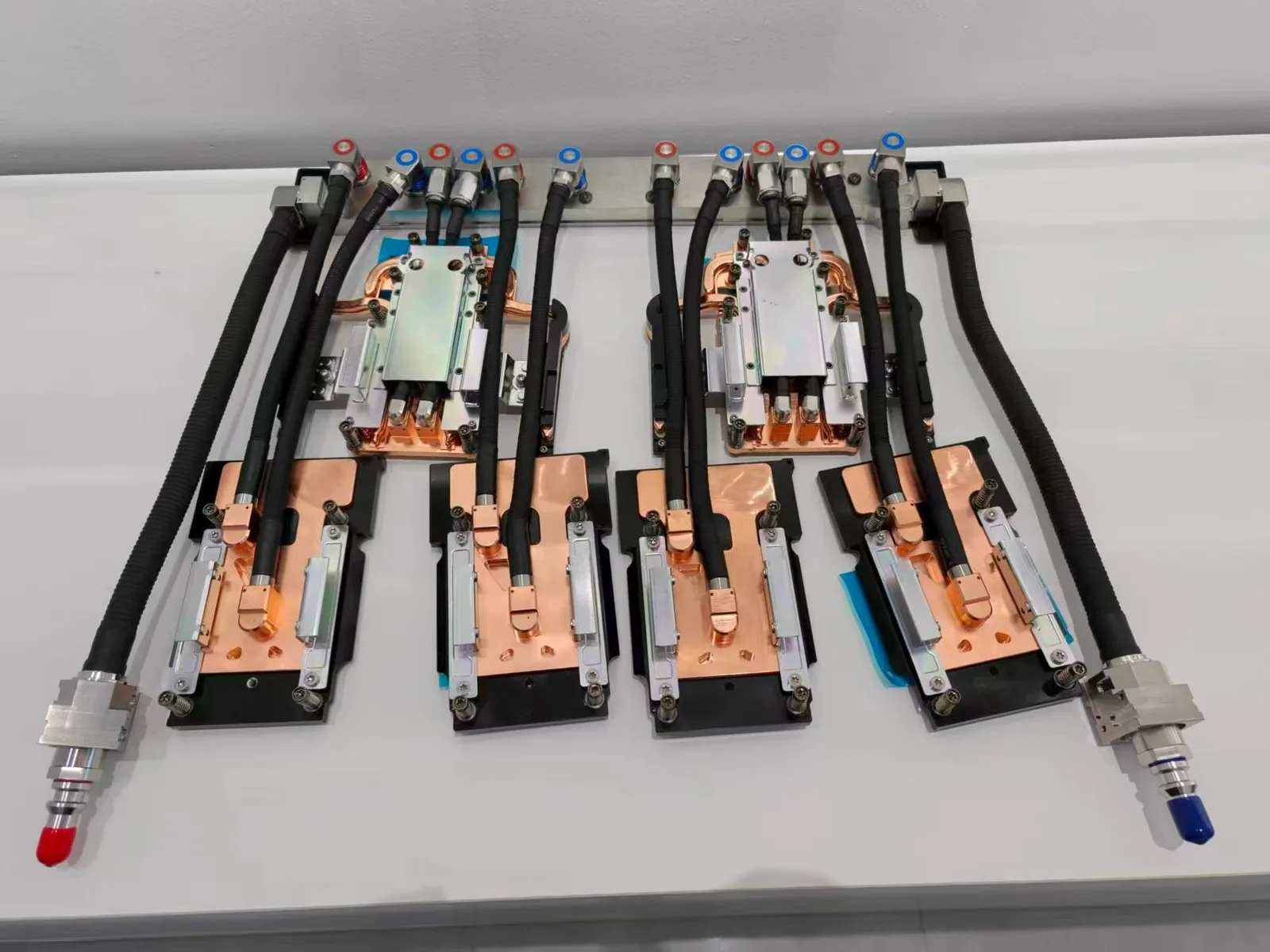
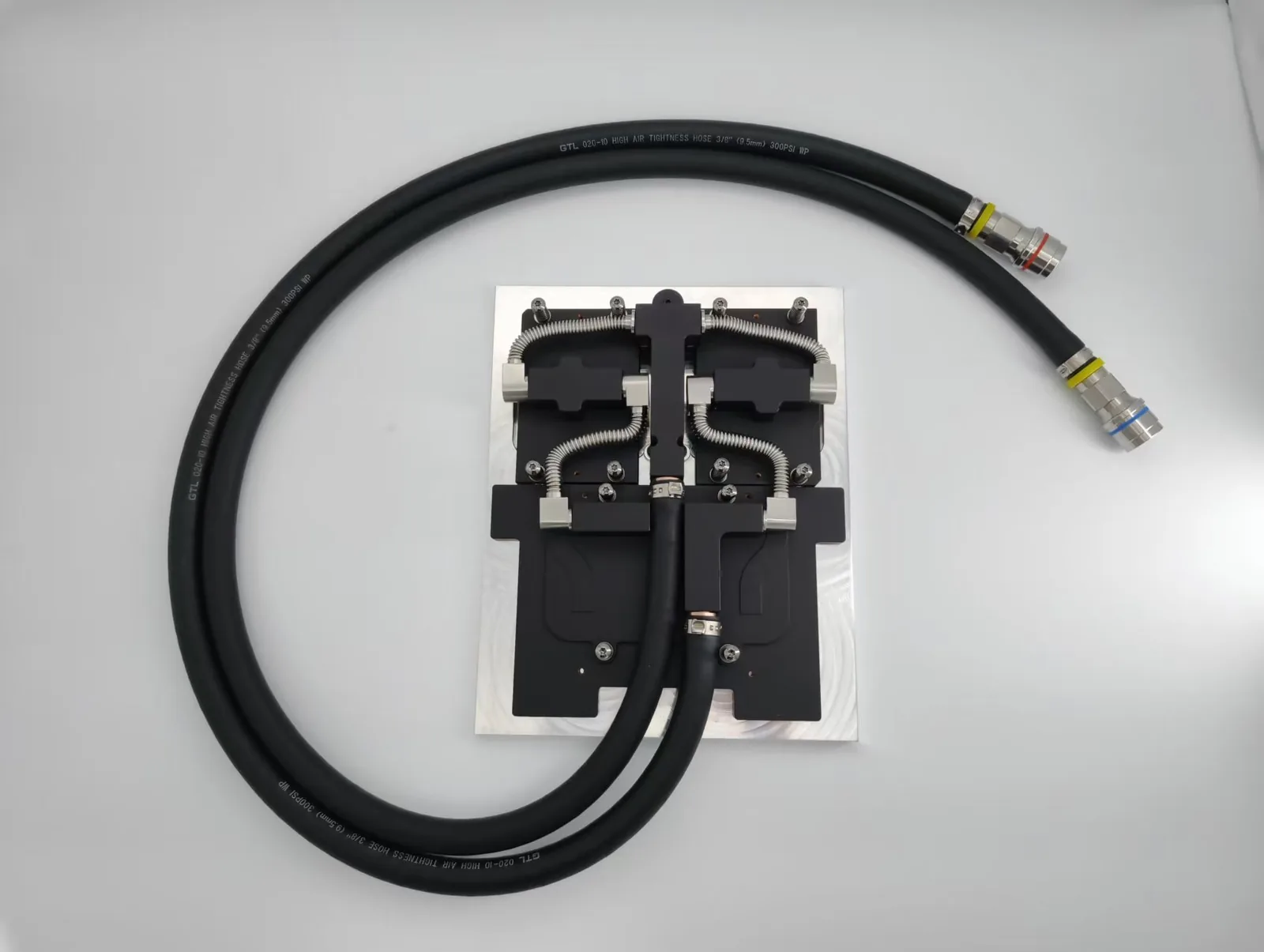
A vapor chamber is made of a sealed metal shell, an internal wick, support pillars and a small amount of working fluid, which together spread heat by evaporation and condensation. ToneCooling builds custom vapor chambers for industrial, telecom and server electronics.
Understanding the internal structure of a vapor chamber is essential for effective cooling. Three key components make up the core of any vapor chamber cooling system:
- The shell contains the chamber and provides structural support.
- The wick structure moves heat through capillary action.
- The working fluid absorbs and releases heat during operation.

Overview
A vapor chamber uses three key components to achieve efficient heat transfer and reliable vapor chamber cooling. These components include the shell, wick structure, and working fluid. Each part plays a unique role in the cooling process.
Shell (Enclosure)
The shell forms the outer enclosure of the vapor chamber. It provides structural support and keeps the internal environment sealed. The shell allows the vapor to move freely inside the chamber, which is essential for vapor chamber cooling.
Wick Structure
The wick structure lines the inside of the shell. It draws the working fluid back to the heat source using capillary action. This process ensures continuous vapor movement and efficient heat transfer throughout the chamber.
Working Fluid
The working fluid fills the wick structure and vaporizes when it absorbs heat. As the fluid turns into vapor, it spreads heat across the chamber. The vapor then condenses back into liquid, allowing the cycle to repeat and maintain effective vapor chamber cooling.
The key components work together to deliver efficient heat transfer and stable vapor chamber cooling. Without the shell, wick structure, or working fluid, the vapor chamber would not function as a high-performance cooling solution.
Each of these components supports the others. The shell contains the vapor, the wick structure moves the fluid, and the working fluid carries the heat. Together, these key components enable vapor chamber cooling to meet demanding performance needs.

How Key Components Enable Cooling
Heat Absorption and Vaporization
The cooling process in a vapor chamber begins when electronics generate heat. The working fluid inside the chamber absorbs this heat and quickly vaporizes. This vaporization step allows efficient heat transfer from the electronics to the vapor, starting the thermal cycle.
The vapor spreads across the chamber, carrying heat away from the source. This movement supports heat spreading, which is essential for thermal performance in high-performance devices. The rapid transfer of heat through vaporization helps maintain stable temperatures and prevents overheating.
Efficient heat absorption and vaporization are critical for vapor chamber cooling. These steps ensure that electronics operate within safe temperature ranges and achieve maximum performance.
Fluid Movement and Capillary Action
After vaporization, the vapor travels to cooler areas of the chamber. The wick structure plays a vital role by drawing the condensed working fluid back to the heat source. This process uses capillary action, which does not require any moving parts.
Capillary action ensures continuous fluid movement and supports efficient heat transfer. The wick structure maintains a steady flow, which keeps the thermal cycle running smoothly. This movement is essential for reliable vapor chamber cooling and consistent thermal performance.
A well-designed wick structure improves efficiency and device reliability. It allows electronics to maintain optimal performance even under heavy workloads.
Condensation and Heat Dissipation
When the vapor reaches cooler regions, it condenses back into liquid. This condensation releases heat, which then dissipates through the chamber walls. The shell acts as a pathway for heat dissipation, spreading the heat over a larger area.
This process of condensation and dissipation completes the thermal cycle. The chamber enables efficient heat transfer and heat spreading, which are crucial for high-performance electronics. Effective heat dissipation ensures that the cooling system meets demanding thermal performance requirements.
The interaction of vaporization, capillary action, and condensation allows vapor chamber cooling to deliver superior thermal performance. These steps work together to provide efficient heat transfer, high efficiency, and reliable operation for electronics.

Vapor Chamber Performance and Comparison
Performance Benefits
A vapor chamber offers strong performance for thermal management needs. The chamber spreads heat quickly across its surface, which helps with heat dissipation and heat spreading. This design supports efficient heat transfer and keeps electronics at safe temperatures.
The key components inside the chamber work together to deliver maximum performance. The vapor moves heat away from high-performance chips, while the wick structure returns the condensed fluid to the source. This cycle increases reliability and device reliability, even under heavy workloads.
Many engineers choose vapor chambers for high-performance devices. The design allows for optimal performance and high reliability. The chamber also supports advanced cooling in compact spaces.
Vapor chamber cooling systems provide excellent heat dissipation and reliability for demanding applications.
Vapor Chamber vs. Heat Pipe
Vapor chambers and heat pipes both use vapor to move heat. However, their design and performance differ. A vapor chamber uses a flat, sealed chamber with a wick structure that covers the entire surface.
Heat pipes use a tube-shaped design with a wick along the inner wall. The vapor in a heat pipe travels in one direction, while the vapor in a chamber spreads in two dimensions. This difference allows the chamber to handle higher heat loads and provide better heat dissipation.
The table below compares the two cooling systems:
| Feature | Vapor Chamber | Heat Pipes |
|---|---|---|
| Shape | Flat chamber | Tube |
| Heat Dissipation | High | Moderate |
| Heat Spreading | Excellent | Limited |
| Design Flexibility | High | Moderate |
| Reliability | High | Moderate |
Vapor chambers offer better performance and reliability for high-performance devices. Their design supports efficient heat transfer and advanced cooling. Heat pipes work well for simple applications, but vapor chambers meet the needs of modern electronics.
Conclusion
- The key components inside a vapor chamber work together to deliver efficient heat transfer and reliable device reliability.
- The shell, wick structure, and working fluid each play a vital role in moving heat, supporting heat spreading, and ensuring maximum performance for high-performance devices.
- Their synergy creates a thermal management solution that meets the thermal management needs of high-performance chips and electronics.
Quality design and the right thermal interface material help the cooling system achieve optimal performance, efficiency, and device reliability. Vapor chamber cooling stands out as a top thermal management solution for demanding applications, offering better heat dissipation and thermal performance than heat pipes.
For industry standards and best practices, refer to ASHRAE technical resources.
Frequently Asked Questions
Does ToneCooling offer OEM and ODM services?
Yes. ToneCooling provides full OEM and ODM services including custom design, prototyping, thermal simulation, and volume production. We serve customers in North America, Europe, and Asia-Pacific with engineering support and samples within 4–6 weeks.
How does a vapor chamber differ from a heat pipe?
A vapor chamber spreads heat in two dimensions across a flat surface, while a heat pipe transfers heat along a single axis. Vapor chambers are ideal for high heat flux applications like GPU cooling where uniform heat spreading is critical.
Get a Custom Thermal Solution from ToneCooling
ToneCooling is a professional liquid cooling solution provider specializing in custom cold plates, AIO coolers, and advanced thermal management systems. With ISO 9001 quality management and our own manufacturing facility in Huizhou, China, we deliver prototype samples typically within 4–6 weeks. Contact ToneCooling today for a free consultation and quote. An engineer reviews every RFQ and replies by email with next steps.
For industry standards and best practices, refer to ASHRAE technical resources.
Get a Custom Thermal Solution from ToneCooling
ToneCooling is a professional liquid cooling solution provider specializing in custom cold plates, AIO coolers, and advanced thermal management systems. With ISO 9001 quality management and our own manufacturing facility in Huizhou, China, we deliver prototype samples typically within 4–6 weeks. Contact ToneCooling today for a free consultation and quote. An engineer reviews every RFQ and replies by email with next steps.
References: ASHRAE thermal standards
Why Choose ToneCooling for Custom Vapor Chamber Manufacturer
Engineering review and prototype planning are based on the project requirements. Custom prototype lead time is normally 4–6 weeks after drawing approval and order confirmation; confirm the production schedule in the quotation.
Need a Custom Liquid Cold Plate?
ToneCooling engineers review your drawings and requirements and reply by email with next steps.
Last updated: 2026-10-02