Data centers consume massive amounts of energy, and nearly 40% of that goes to cooling. Poorly optimized systems drive up costs, shorten hardware lifespan, and increase the risk of downtime. As server density and computing demands grow, traditional cooling methods are no longer enough.
This article explores how operators can optimize data center cooling for better efficiency, from improving airflow management to adopting liquid cooling and smart automation. By the end, you’ll understand the strategies, technologies, and practices that reduce costs, extend equipment life, and support long-term sustainability.
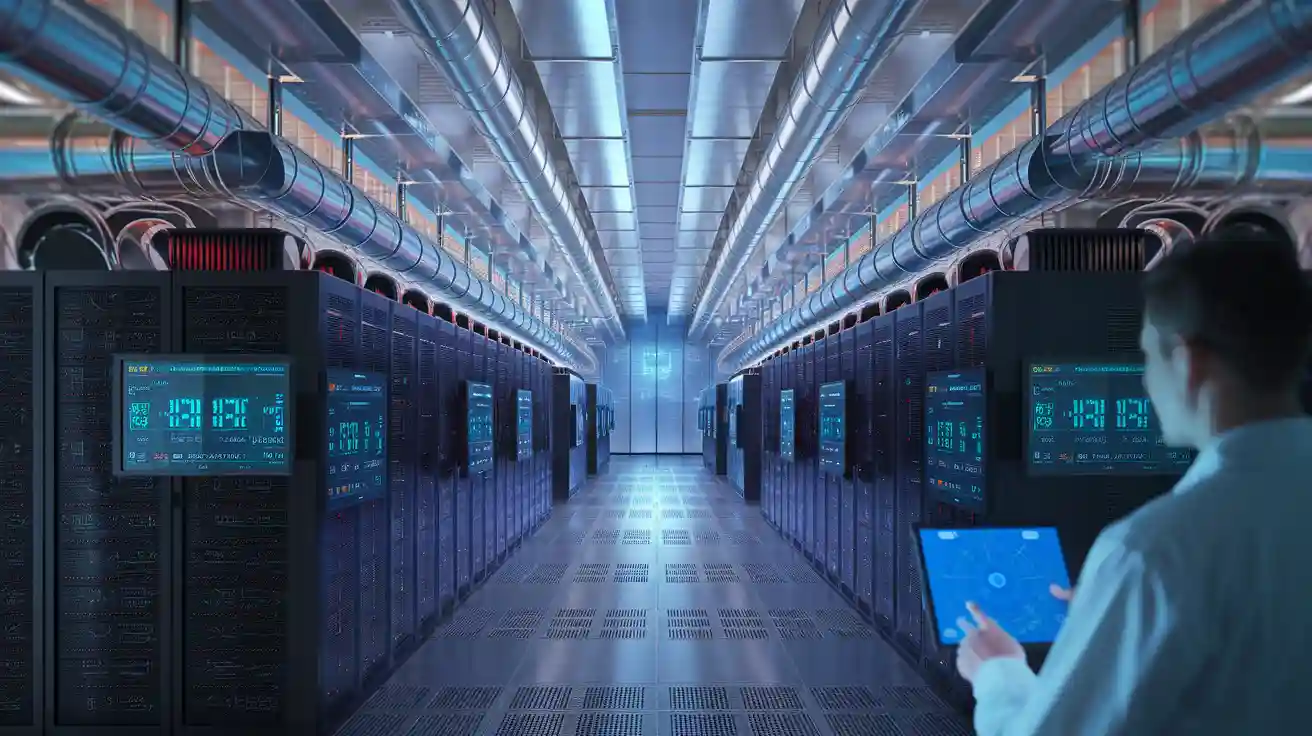
Overview
Operational Efficiency
Efficient cooling plays a vital role in maintaining the performance and reliability of data center operations. When cooling systems fail to regulate temperature, hardware can overheat and suffer damage.
- Overheating shortens equipment lifespan and leads to frequent replacements.
- Poor airflow creates hot spots, causing elevated temperatures in certain areas.
- Equipment exposed to high inlet temperatures may throttle performance or shut down, resulting in costly downtime.
- Hardware failures from inadequate cooling can lead to premature replacement costs or repairs.
- Inefficient cooling can cause data loss and system failures, which disrupt business continuity.
Operators must monitor and manage cooling technologies to prevent these risks and maintain optimal conditions.
Cost and Sustainability
Cooling-related energy costs represent a significant portion of data center expenses.
- Cooling accounts for about 40% of total energy consumption in most data centers.
- Energy costs can make up 30-60% of total operating expenses, depending on size and server density.
- Poor cooling practices increase energy use, driving up operational costs.
Traditional cooling methods often rely on non-renewable energy sources, leading to high carbon emissions. - Data centers contribute approximately 0.3% of global carbon emissions, with the impact varying by location and efficiency measures.
- Facilities using renewable energy sources have a smaller carbon footprint, which helps reduce overall emissions.
Operators who optimize data center cooling systems can lower costs and support sustainability goals.
Assessing Data Center Cooling Systems
Identifying Inefficiencies
Operators must evaluate their current data center cooling setup to find areas that waste energy or reduce performance. Legacy cooling systems often suffer from scaling and mineral deposits, which lower heat transfer efficiency. Biofouling and microbial growth can form sticky layers that block thermal conductivity and cause corrosion.
Rust and metallic oxides may build up, restricting flow and reducing cooling effectiveness. Dust and debris can settle in equipment, leading to particulate fouling and further loss of efficiency.
Tip: Regular inspection helps spot these issues early and prevents costly repairs.
Monitoring and Data Collection
Effective monitoring tools allow operators to track cooling performance and identify inefficiencies. Flow meters provide real-time data on chilled water and air movement, making it easier to detect problems. Temperature sensors give accurate readings, helping prevent overcooling and thermal throttling.
Humidity sensors monitor coolant conditions and alert staff to contamination risks. Pressure sensors maintain ideal pressure levels, which optimize airflow and cooling efficiency.
Operators should collect and analyze data using key performance indicators.
These include Power Usage Effectiveness (PUE), Energy Reuse Factor (ERF), Carbon Usage Effectiveness (CUE), and Water Usage Effectiveness (WUE). Compliance with ASHRAE standards ensures that data center cooling systems meet industry benchmarks for safety and efficiency.
Note: Consistent data collection supports informed decisions and improves overall cooling efficiency.
Optimization Strategies for Data Center Cooling
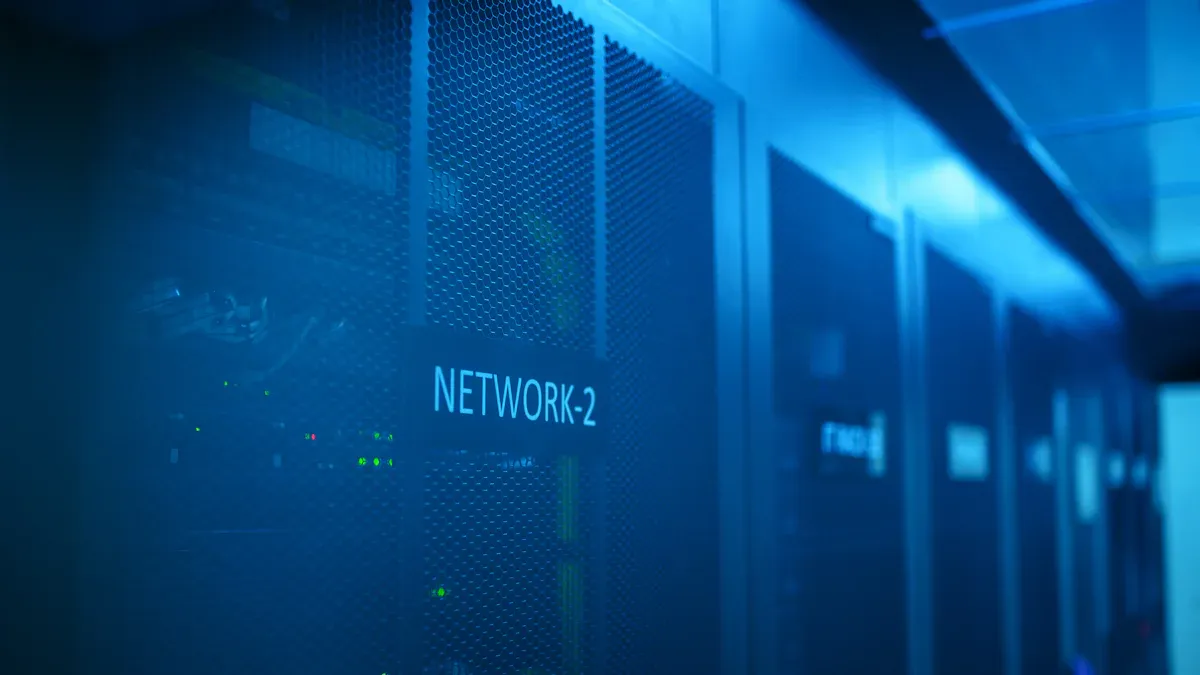
Airflow and Containment
Effective airflow management forms the foundation of efficient cooling in any data center. Operators use hot aisle containment to prevent hot air from mixing with cool air, directing it straight to cooling units. Cold aisle containment encloses the cold aisle, ensuring cool air reaches server intakes without loss.
Blanking panels block unused rack spaces, stopping hot air recirculation and optimizing airflow. Raised floor systems distribute cold air directly to server racks, which enhances cooling efficiency. The table below highlights how these features contribute to improved airflow and cooling:
| Feature | Contribution to Airflow and Cooling Efficiency |
|---|---|
| Raised Floor Systems | Allow cold air to be distributed directly to server racks, enhancing cooling efficiency. |
| Blanking Panels | Prevent hot air from recirculating, ensuring that cooling systems operate more effectively. |
| Effective Airflow Management | Involves strategic placement of blanking panels and vented tiles to optimize cooling and reduce energy consumption. |
Operators can combine these techniques to minimize hot spots and reduce energy consumption. Flexible airflow management adapts to changing server layouts and supports future expansion.
Advanced Cooling Technologies
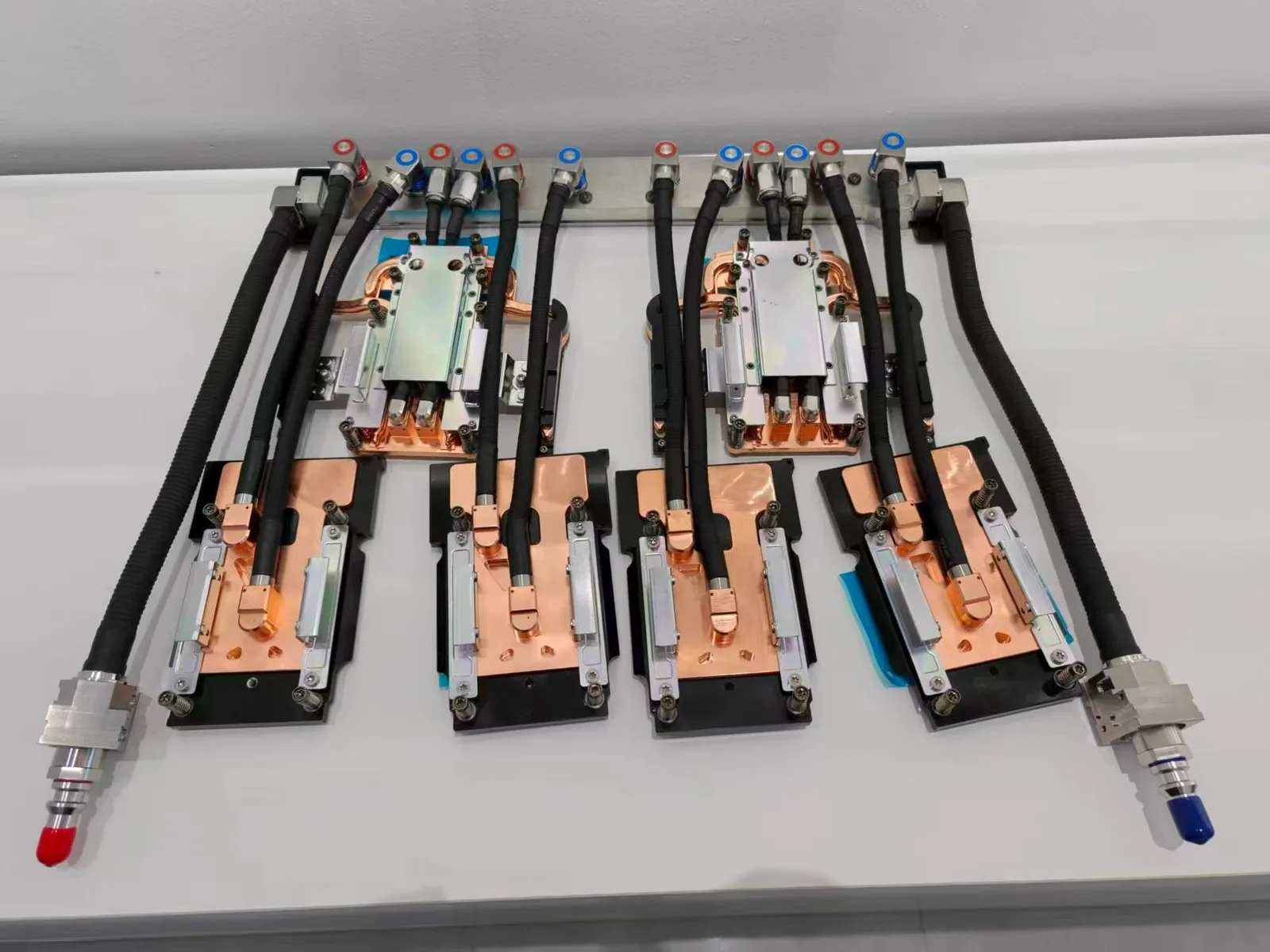
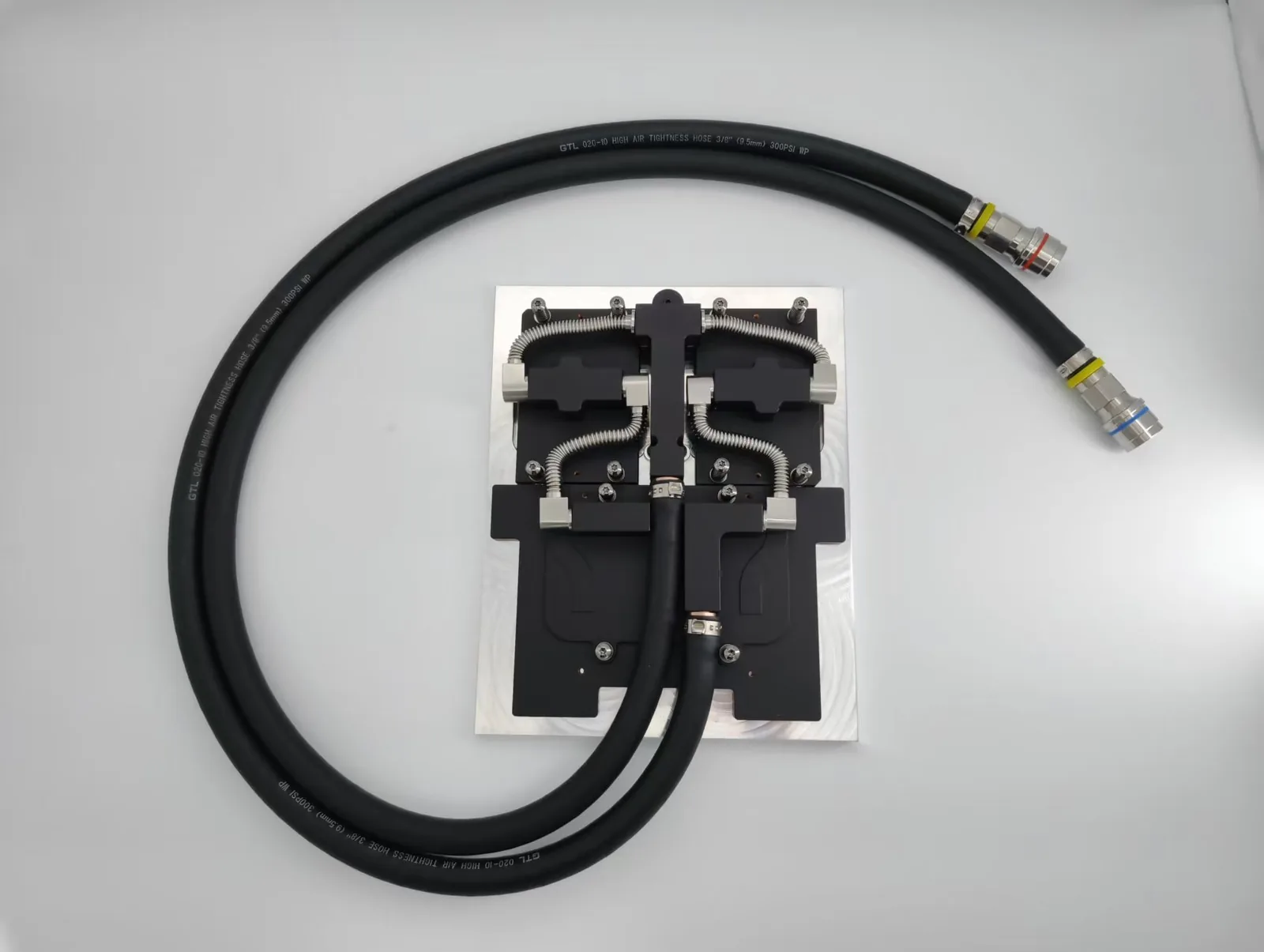
Modern data centers rely on advanced cooling methods to meet rising demands. Liquid cooling systems transfer heat directly from server components, which increases energy efficiency and lowers operational costs. These systems excel in high-density environments where traditional air cooling struggles to maintain optimal temperatures.
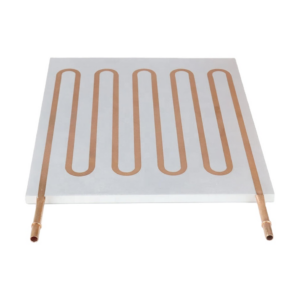
Direct-to-chip cooling (Liquid Cold Plate) provides highly effective heat dissipation and supports higher density racks. It also operates with lower noise levels compared to air cooling. The table below compares direct liquid cooling and traditional air cooling:
| Metric | Liquid Cooling | Air Cooling |
|---|---|---|
| Energy Efficiency | High | Moderate |
| Noise Level | Lower | Higher due to fans |
| Heat Dissipation | Highly effective | Less effective |
| Sustainability | High | Moderate |
| Higher Density Racks | Highly efficient | Limited effectiveness |
Adiabatic cooling systems offer another advanced solution. These systems can reduce water consumption by up to 95% compared to traditional evaporative cooling. They also lower energy use by 10% to 30%, making them suitable for large-scale data center operations. Operators can select hybrid systems that combine liquid and air cooling for greater flexibility and scalability.
Smart Controls and Automation
Smart controls and automation help optimize cooling performance in data centers. AI-driven systems analyze historical data to predict cooling system failures, which reduces maintenance costs. Machine learning adjusts refrigeration parameters and fan speeds based on workload and temperature changes, ensuring efficient cooling.
Operators benefit from real-time monitoring and alerts for temperature and humidity. Predictive analytics forecast cooling needs, allowing automated processes to respond quickly. The table below shows the measurable benefits of AI-driven cooling management:
| Benefit | Description |
|---|---|
| Energy Efficiency | AI-driven systems can reduce energy consumption by up to 40%. |
| Cost Reductions | Lower energy usage translates to significant cost savings for data centers. |
| Improved Reliability | Consistent thermal management reduces overheating, extending hardware lifespan and reducing downtime. |
| Scalability for Future Workloads | AI systems can adapt to increasing demands, ensuring data centers can handle future workloads efficiently. |
Intelligent management supports global optimization of cooling systems. Automation ensures that cooling technologies operate under optimal conditions, which improves reliability and supports future growth.
Comparing Cooling Technologies

Traditional vs. Advanced Methods
Operators in data centers often choose between traditional cooling and advanced cooling technologies. Traditional cooling methods rely on air-based systems, which can consume up to 40% of total energy usage. Advanced cooling technologies, such as direct-to-chip liquid cooling and immersion cooling, offer up to 95% reduction in energy consumption and a smaller environmental footprint.
| Cooling Method | Energy Consumption | Operational Cost Impact | Environmental Footprint |
|---|---|---|---|
| Traditional Cooling Methods | Up to 40% of total energy usage | Increased due to high energy consumption | Larger footprint |
| Advanced Cooling Technologies | Up to 95% reduction in energy consumption | Lower due to improved efficiency | Smaller footprint |
Liquid cooling uses thermally conductive fluids to dissipate heat directly from server components. Immersion cooling submerges servers in liquid, improving heat transfer and reducing maintenance needs. These advanced solutions handle the demands of modern computing hardware more effectively than legacy systems.
Efficiency and Cost
Liquid cooling improves energy efficiency and lowers operational costs in data centers. Immersion cooling extends equipment lifespan and reduces maintenance costs, making it a cost-effective solution over time. Legacy cooling systems struggle with high operational costs due to inefficient air distribution and overcooling.
- Yearly investments for enterprise data center cooling can reach hundreds of thousands of dollars.
- Hyperscale data centers may see cooling costs in the millions.
Advanced cooling solutions, especially liquid cold plate, lead to lower operating costs and improved efficiency. Two-phase immersion cooling offers the lowest total cost of ownership over time, despite higher initial costs. Regular maintenance further reduces total cost of ownership by enhancing reliability and extending equipment lifespan.
Scalability and Reliability
Liquid cooling supports scalability for growing data center operations. Modular cooling technologies allow operators to expand capacity from 7kW to 240kW as needs evolve. Rack-level CDU and RDHx systems manage high thermal loads, making them suitable for high-density environments.
- Liquid cooling solutions handle high-density racks, especially in AI and high-performance computing.
- Traditional air cooling works up to 50kW per rack, but higher densities require liquid cooling.
- Rack-level cooling technologies complement primary systems and improve scalability.
Advanced cooling systems maintain consistent temperatures, preventing overheating and reducing downtime. Redundant cooling infrastructure ensures continuous operation during equipment failures. These systems extend hardware lifespan and minimize replacement costs, supporting mission-critical reliability.
Implementation and Future Trends
Deployment Tips
Operators should follow a structured approach when deploying new cooling technologies in a data center.
- Plan for scalability to support future workloads and expansion.
- Engage experienced partners who understand cooling system integration.
- Update maintenance practices to match the needs of liquid cooling systems.
- Evaluate current and projected workload requirements before installation.
- Conduct a site audit to assess existing infrastructure and identify obstacles.
- Model the new infrastructure to predict challenges and impacts on operations.
- Factor in sustainability gains from liquid cooling and design solutions with consultants.
- Perform a computational flow dynamics study of airflows.
- Analyze adaptability of existing infrastructure and review physical space and water supply.
Operators often encounter challenges during implementation. The table below outlines common issues and solutions:
| Challenge | Mitigation Strategy |
|---|---|
| High power demands | Invest in sustainable energy resources |
| Energy consumption | Integrate sustainable resources |
| Design and monitoring needs | Optimize airflow and use advanced cooling technologies |
Tip: Early planning and expert consultation help avoid costly mistakes during deployment.
Budget and ROI
Budget constraints influence the selection of cooling technologies in every data center project. Operators must balance the initial costs of advanced solutions like liquid cold plate with long-term efficiency gains. Smaller facilities may find high acquisition and installation costs prohibitive, while ongoing maintenance expenses can add up over time.
Liquid cooling technologies enhance energy efficiency and reduce operational costs. Proper maintenance extends equipment lifespan, improving return on investment. Companies can defer capital expenditures by maximizing the performance of existing assets.
Emerging Innovations
Operators see several promising innovations in data center cooling as of 2024.
- Expanded adoption of immersion cooling submerges IT equipment in non-conductive liquid for effective heat dissipation.
- Increased use of direct-to-chip cooling circulates liquid to the hottest components, improving efficiency.
- Investment in quieter cooling systems, with liquid immersion cooling offering the quietest operation.
- Cooling system optimizations include airflow improvements and updated roofing surfaces.
- Enhanced sensor deployment allows for better monitoring of temperatures and airflow.
- Experimental strategies such as underwater and space data centers are being explored for their cooling potential.
Hyperscale data centers now adopt advanced cooling strategies like liquid cooling and hybrid systems. These facilities focus on reducing water consumption and optimizing chemical treatment. AI-driven management enables real-time monitoring and adjustments, improving cooling efficiency and sustainability.
Conclusion
Optimizing data center cooling is not just about cutting energy use—it safeguards hardware, lowers operating costs, and ensures long-term reliability. Effective airflow management, advanced liquid cooling solutions, and AI-driven controls give operators the tools to handle today’s high-density workloads while preparing for future demands.
Facilities that take a proactive approach to cooling gain a clear competitive advantage in efficiency and sustainability. To get started, evaluate your current system, identify inefficiencies, and consider upgrades that align with both operational needs and growth plans.
Frequently Asked Questions
Does ToneCooling offer OEM and ODM services?
Yes. ToneCooling provides full OEM and ODM services including custom design, prototyping, thermal simulation, and volume production. We serve customers in North America, Europe, and Asia-Pacific with engineering support and samples within 4–6 weeks.
What server platforms does ToneCooling support?
ToneCooling liquid cooling solutions support Intel LGA4677, Intel LGA7529, AMD SP5, and NVIDIA GPU platforms including GB200 and H100/H200 configurations.
Can ToneCooling provide direct-to-chip cooling for AI clusters?
Yes. ToneCooling designs and manufactures direct-to-chip liquid cooling cold plates for GPU and CPU in AI training and inference clusters, supporting thermal loads exceeding 700W per chip.
Get a Custom Thermal Solution from ToneCooling
ToneCooling is a professional liquid cooling solution provider specializing in custom cold plates, AIO coolers, and advanced thermal management systems. With ISO 9001:2015 certified manufacturing, we deliver prototype samples within 4–6 weeks. Contact ToneCooling today for a free consultation and quote.
Frequently Asked Questions
Does ToneCooling offer OEM and ODM services?
Yes. ToneCooling provides full OEM and ODM services including custom design, prototyping, thermal simulation, and volume production. We serve customers in North America, Europe, and Asia-Pacific with engineering support and samples within 4–6 weeks.
What server platforms does ToneCooling support?
ToneCooling liquid cooling solutions support Intel LGA4677, Intel LGA7529, AMD SP5, and NVIDIA GPU platforms including GB200 and H100/H200 configurations.
Can ToneCooling provide direct-to-chip cooling for AI clusters?
Yes. ToneCooling designs and manufactures direct-to-chip liquid cooling cold plates for GPU and CPU in AI training and inference clusters, supporting thermal loads exceeding 700W per chip.
Get a Custom Thermal Solution from ToneCooling
ToneCooling is a professional liquid cooling solution provider specializing in custom cold plates, AIO coolers, and advanced thermal management systems. With ISO 9001:2015 certified manufacturing, we deliver prototype samples within 4–6 weeks. Contact ToneCooling today for a free consultation and quote.
References: ASHRAE thermal standards, Wikipedia: Heat Sink Technology
Need a Custom Liquid Cold Plate?
ToneCooling engineers design thermal solutions for your specific requirements. Get an engineering RFQ review based on your uploaded requirements.
Optimize Data Center Cooling: Key Specifications
When evaluating optimize data center cooling, engineers consider thermal resistance, pressure drop, flow rate, and material compatibility. ToneCooling provides detailed specs for every optimize data center cooling design, backed by CFD simulation and testing.
Why Choose ToneCooling for Optimize Data Center Cooling
Engineering review and prototype planning are based on the project requirements. Custom prototype lead time is normally 4–6 weeks after drawing approval and order confirmation; confirm the production schedule in the quotation.
Need a Custom Liquid Cold Plate?
ToneCooling engineers design thermal solutions for your requirements. Engineering review of every RFQ.
Last Updated: 2026-04-08