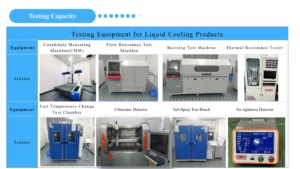
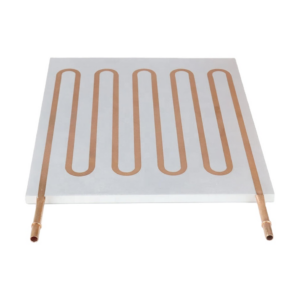
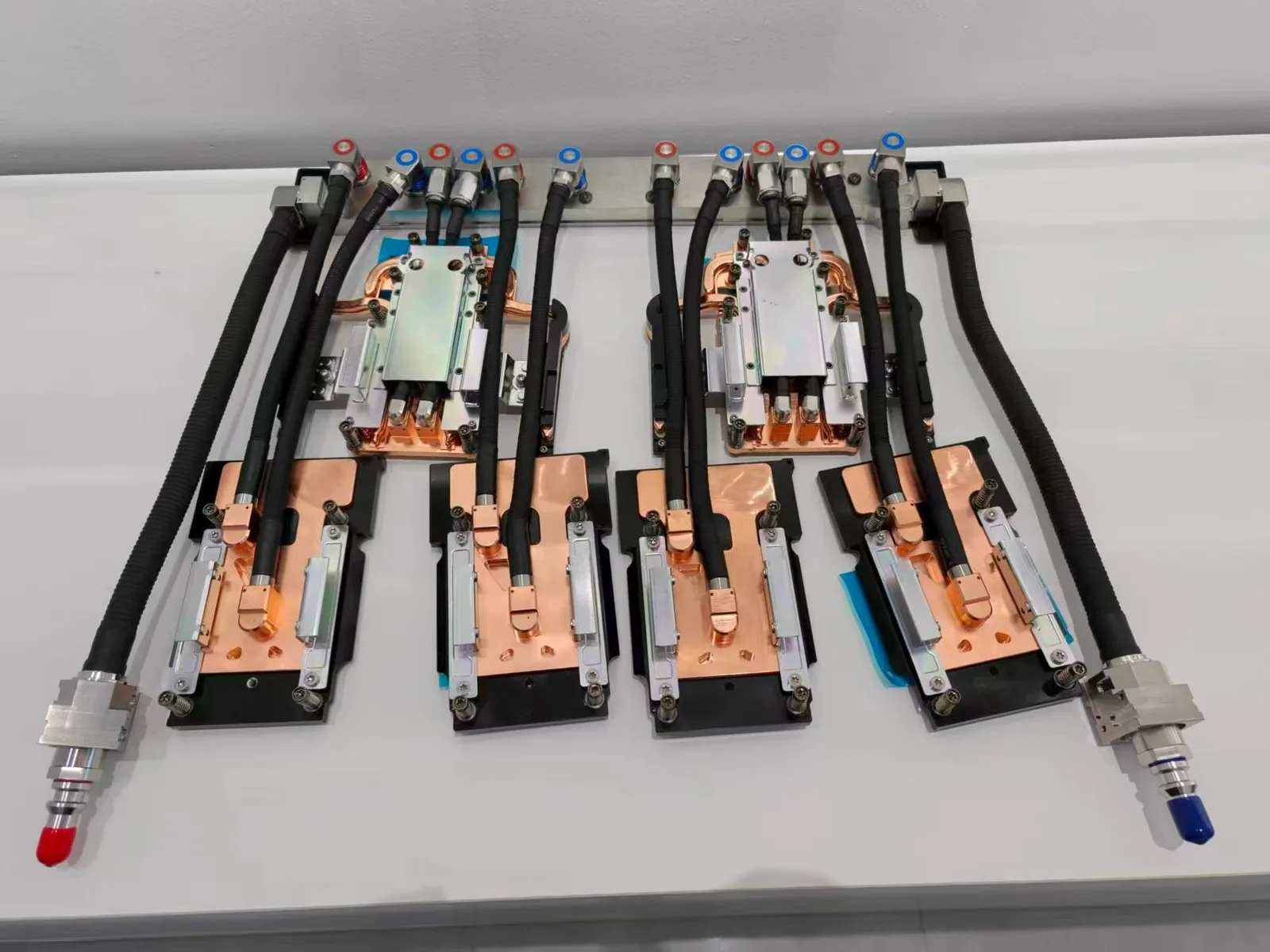
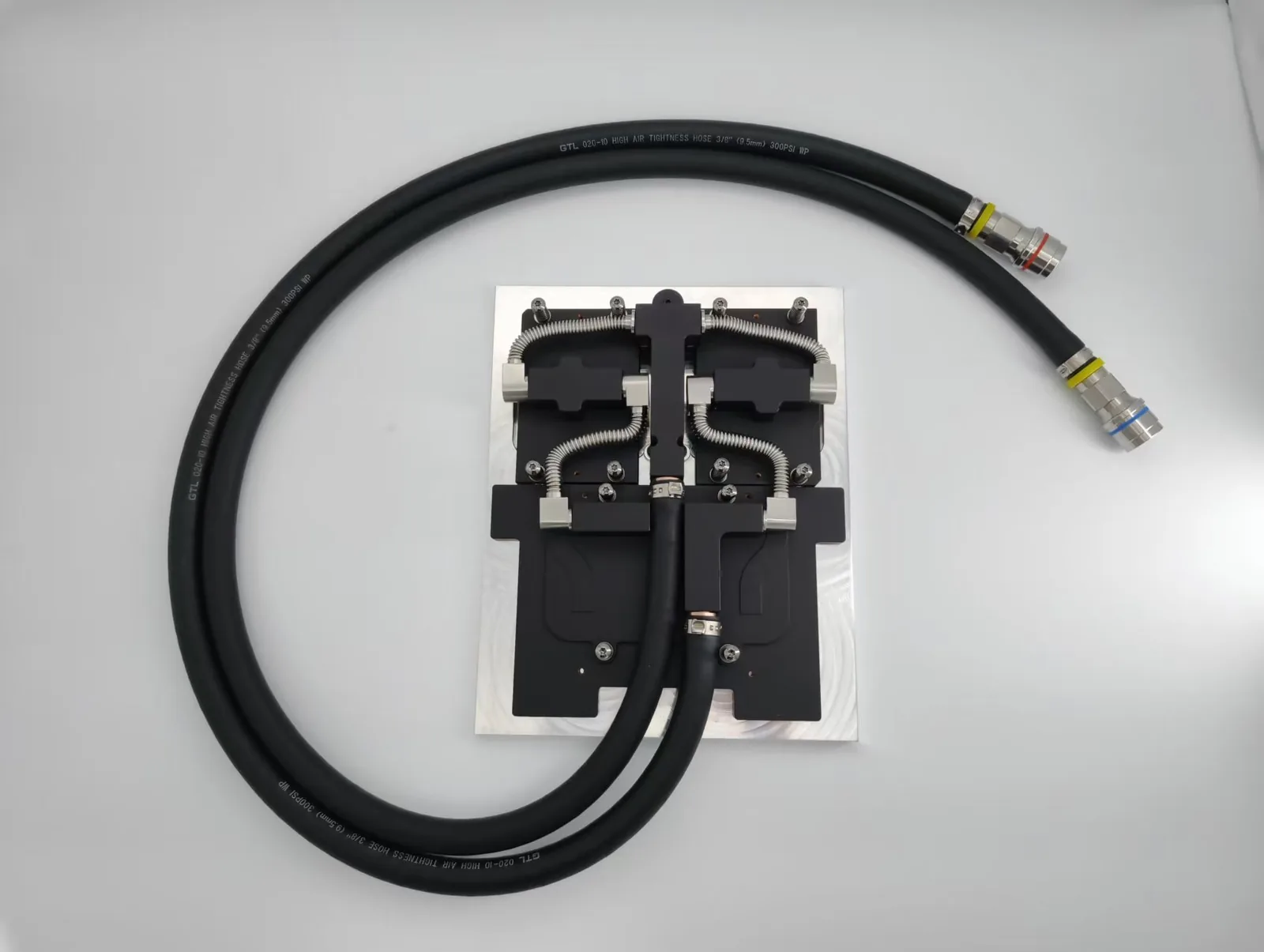
You need liquid cooling when your processor or GPU cannot stay below its temperature limit with air at acceptable noise and size, typically with high-TDP parts or sustained heavy loads. ToneCooling supplies liquid cooling for server and industrial systems.
High-performance CPUs and GPUs generate significant heat, and inadequate cooling can lead to thermal throttling, system instability, and reduced lifespan. This article examines when liquid cooling is necessary, comparing it with air cooling and addressing factors such as overclocking, compact builds, noise levels, and budget considerations.
By reading this guide, you will understand whether liquid cooling is essential for your build and how it can enhance both performance and reliability.

Overview
Benefits of Liquid Cooling
Liquid cooling offers several advantages for computer builds. Users often choose liquid cooling for improved performance and efficiency, as it removes heat more effectively and helps components last longer. Many people also prefer liquid cooling because it operates quietly, reducing noise during heavy use.
Liquid cooling can protect overclocked components by dissipating heat quickly, which lowers the risk of damage. It allows users to push their CPUs and GPUs further without worrying about overheating. The system also provides extensive customization options, letting users create visually appealing setups.
Space savings is another benefit, especially in compact cases where large air coolers may not fit. Liquid cooling systems are less prone to dust build-up, which improves reliability and reduces maintenance. Cooler temperatures help extend the lifespan of components, and liquid cooling performs well in warmer climates. Although the initial cost is higher, the efficiency and reliability can lead to savings over time.
Liquid Cooling vs Air Cooling
Liquid cooling and air cooling both manage heat, but they do so in different ways. Liquid cooling uses a radiator with a large surface area to extract heat from the case, which makes it more effective at handling high temperatures. This system acts as a buffer, delaying the ramp up of case fans and keeping the heat curve stable.
Air cooling relies on fans and heatsinks to move heat away from components. While air cooling works well for many builds, it may struggle with high-performance or overclocked systems. Liquid cooling often operates more quietly because it does not need as many fans.
Liquid cooling works well in small cases where airflow is limited. It also limits thermal throttling, which can occur with air cooling during heat spikes. Users who want better cooling efficiency, quieter operation, and improved performance in compact builds often choose liquid cooling.
When Liquid Cooling Is Essential
High-Performance CPUs
High-performance CPUs generate significant heat, especially during demanding tasks. Many users with processors like the AMD FX-8xxx series find that liquid cooling provides the necessary thermal management. This type of cooling system efficiently removes heat, which helps maintain safe cpu temperatures and prevents thermal throttling.
- Liquid cooling technologies efficiently remove heat, enhancing productivity in high-density computing systems.
- Targeting specific CPUs and GPUs improves overall thermal management, which is vital for reliability.
- Reduced space requirements for cooling infrastructure contribute to better performance and longevity.
Liquid cooling also extends the lifespan of components by reducing heat, which is detrimental to electronic parts. Uniform, lower operating temperatures contribute to the longevity of high-performance computing hardware. Enhanced stability results in fewer crashes and system errors, protecting the investment in high-performance hardware.
Overclocking
Overclocking pushes CPUs and GPUs beyond their standard specifications. This process increases heat output, making a robust cooling solution essential. Liquid cooling systems excel at maintaining stable temperatures during these periods of increased demand.
| Condition | Temperature Range (°C) |
|---|---|
| Idle | 25°C to 35°C |
| Load | 50°C to 70°C |
Maintaining these temperature ranges is critical for system stability and longevity. Many users choose aio liquid cooling for its ability to handle aggressive cooling profiles and noise control. Cases that accommodate dual fan radiators often provide optimal performance for overclocked systems.
Compact Builds
Small form factor cases limit airflow and space for large air coolers. Liquid cooling offers a practical solution by using radiators and compact water blocks. This approach allows builders to fit powerful hardware into tight spaces without sacrificing cooling efficiency.
- Water cooling setups are typically quieter than air cooling because the pump and radiator fans can operate at lower speeds while still providing effective cooling.
- The sound of flowing water is also generally less intrusive than the whir of fans.
- Liquid cooling generally reduces noise levels compared to air cooling simply because it is more effective.
Compact builds benefit from liquid cooling’s ability to transfer heat away from components quickly. This keeps the system running smoothly even under heavy loads. Users who value both performance and space efficiency often select a liquid cooling system.
Aesthetic Preferences
Many enthusiasts choose liquid cooling for its visual appeal. Custom systems allow for significant creativity and personalization, which is a major factor in choosing liquid cooling solutions. Builders can create unique looks that reflect their style.
- RGB CPU coolers enhance the visual appeal of custom PC builds.
- They offer customizable colors and effects that can synchronize with other components.
- This creates a cohesive visual theme that reflects personal style.
Liquid cooling systems provide various options for customization. These features attract users who want their builds to stand out. The ability to synchronize lighting and effects across components adds to the overall aesthetic.
Noise Considerations
Noise levels play a significant role in the choice of cooling system. Liquid cooling systems generally produce lower noise levels compared to air cooling systems due to more efficient heat transfer. The loudest parts of the cooling system, the fans, do not have to work at high speeds.
- In quieter settings, such as offices requiring minimal distraction, liquid cooling is often favored for its reduced noise output.
- In environments with high ambient noise, the difference in noise levels between cooling systems may be less noticeable.
- Air cooling systems can be optimized for quieter operation using low-noise fans and anti-vibration mounts.
The sound of a liquid cooling pump is usually a low hum, which many users find less distracting than fan noise. This makes liquid cooling an attractive option for those who prioritize a quiet workspace or immersive gaming experience.

Evaluating Your Needs
Performance Requirements
Performance needs shape the choice of a cooling system. High-performance CPUs and GPUs generate more heat during gaming or professional workloads. Proper cooling prevents thermal throttling and keeps components stable.
| Factor | Description |
|---|---|
| Type of Cooling System | Liquid cooling is more efficient than air cooling, absorbing and transferring heat effectively. |
| Compatibility with Hardware | Assessing the TDP of components is crucial for selecting appropriate cooling solutions. |
| Noise Levels | Different cooling systems have varying noise outputs, impacting user experience and environment. |
| Maintenance Requirements | Some systems require more upkeep than others, affecting long-term usability and performance. |
| Environmental Conditions | Ambient temperature and airflow can dictate the need for more powerful cooling solutions. |
Air cooling may not keep up with the demands of modern CPUs and GPUs. In high-performance computing, AI training, or when chips exceed 500 W TDP, liquid cooling becomes necessary.
Budget Constraints
Budget often determines the type of cooling system a user selects. Air cooling is generally more budget-friendly than liquid cooling. Custom liquid cooling systems cost more, while AIO liquid coolers offer a middle ground.
- Liquid cooling systems are generally more expensive.
- Air cooling systems provide excellent performance at a lower cost.
- Budget constraints can lead to choosing air cooling over liquid cooling.
| Cooling Type | Cost Impact | Performance |
|---|---|---|
| Liquid Cooling | Higher initial investment | Best cooling solution |
| Air Cooling | Lower cost | Excellent performance at lower price |
Limited budgets may require users to select high-quality air coolers instead of liquid cooling. Additional components for liquid cooling can further strain finances.
Space Availability
Space inside the case affects cooling choices. Air cooling works well for low-density setups that do not generate much heat. High-density racks or compact builds often require liquid cooling to manage excess heat.
- Air cooling is sufficient for low-density racks (less than 20kW).
- High-density racks (20kW or more) need liquid cooling for effective heat management.
- Traditional air cooling struggles with racks consuming 30kW or more.
Liquid cooling allows builders to fit powerful hardware into small spaces. This makes it a good choice for compact or high-density systems.
Noise Tolerance
Noise tolerance varies among users and environments. Air coolers are easier to install and maintain but can be noisy unless designed for quiet operation. Liquid cooling provides better cooling but may introduce more noise from pumps and fans.
PC users often balance cooling efficiency with noise levels. In professional settings, low-noise fans are essential. Lower fan speeds and careful case selection help achieve a quieter system.
Conclusion
Liquid cooling provides efficient heat management, quieter operation, and space-saving benefits, making it ideal for overclocked systems, compact cases, and high-performance hardware.
While air cooling remains effective for standard setups, liquid cooling helps maintain stable temperatures and extends component lifespan under heavy loads.
Assess your system’s performance requirements, case size, and budget to determine the most suitable solution.
For those seeking improved efficiency, reliability, and a quieter system, liquid cooling is a valuable option.
For industry standards and best practices, refer to ASHRAE thermal guidelines.
Frequently Asked Questions
Do I need liquid cooling?
You need liquid cooling when air cooling cannot hold component temperatures within limits at full load in the space, noise and airflow available. High-power CPUs and GPUs, overclocked systems, compact enclosures and dense server racks are the usual cases; most mainstream builds run well on air.
How do I determine the cooling requirements of a system?
Start from the total heat load, the maximum allowed component temperature and the ambient or inlet temperature. The allowed temperature rise divided by the heat load gives the maximum thermal resistance the cooling solution must achieve.
Is liquid cooling reliable?
Yes, a properly designed liquid cooling system is reliable when it uses leak-tested cold plates, compatible materials and coolant, and quality fittings. Most failures come from corrosion, poor fitting installation or skipped coolant maintenance rather than from the cold plate itself.
How do I choose the right liquid cooling solution?
Choose between AIO coolers, custom loops and direct-to-chip cold plates based on heat load, how many components need cooling and how much maintenance the system can accept. For industrial and server projects, ToneCooling engineers review the heat load and layout. Custom samples are available from a single piece, typically in 4–6 weeks.
Get a Custom Thermal Solution from ToneCooling
ToneCooling is a professional liquid cooling solution provider specializing in custom cold plates, AIO coolers, and advanced thermal management systems. With ISO 9001 quality management and our own manufacturing facility in Huizhou, China, we deliver prototype samples typically within 4–6 weeks. Contact ToneCooling today for a free consultation and quote. An engineer reviews every RFQ and replies by email with next steps.
For industry standards and best practices, refer to ASHRAE thermal guidelines.
Get a Custom Thermal Solution from ToneCooling
ToneCooling is a professional liquid cooling solution provider specializing in custom cold plates, AIO coolers, and advanced thermal management systems. With ISO 9001 quality management and our own manufacturing facility in Huizhou, China, we deliver prototype samples typically within 4–6 weeks. Contact ToneCooling today for a free consultation and quote. An engineer reviews every RFQ and replies by email with next steps.
Why Choose ToneCooling for Energy Storage System Liquid Cooling
Engineering review and prototype planning are based on the project requirements. Custom prototype lead time is normally 4–6 weeks after drawing approval and order confirmation; confirm the production schedule in the quotation.
Need a Custom Liquid Cold Plate?
ToneCooling engineers review your drawings and requirements and reply by email with next steps.
Last updated: 2026-10-02
References: ISO 9001