A cold plate cools a CPU better than air coolers and most AIOs when it is part of a well-designed liquid loop, but it needs a pump, radiator and maintenance. ToneCooling designs custom CPU cold plates for servers and industrial computers.
CPU cooling plays a critical role in system performance and stability. Builders today can choose from several methods, including air cooling, AIO liquid systems, custom loops, and cold plate cooling. Each option offers unique advantages in terms of efficiency, cost, and ease of use. This guide compares cold plates with other CPU cooling methods, explaining how they work, where they excel, and when they are the best choice for builders who want reliable thermal management. For an overview of designs and standard kits, see our liquid cold plates page.
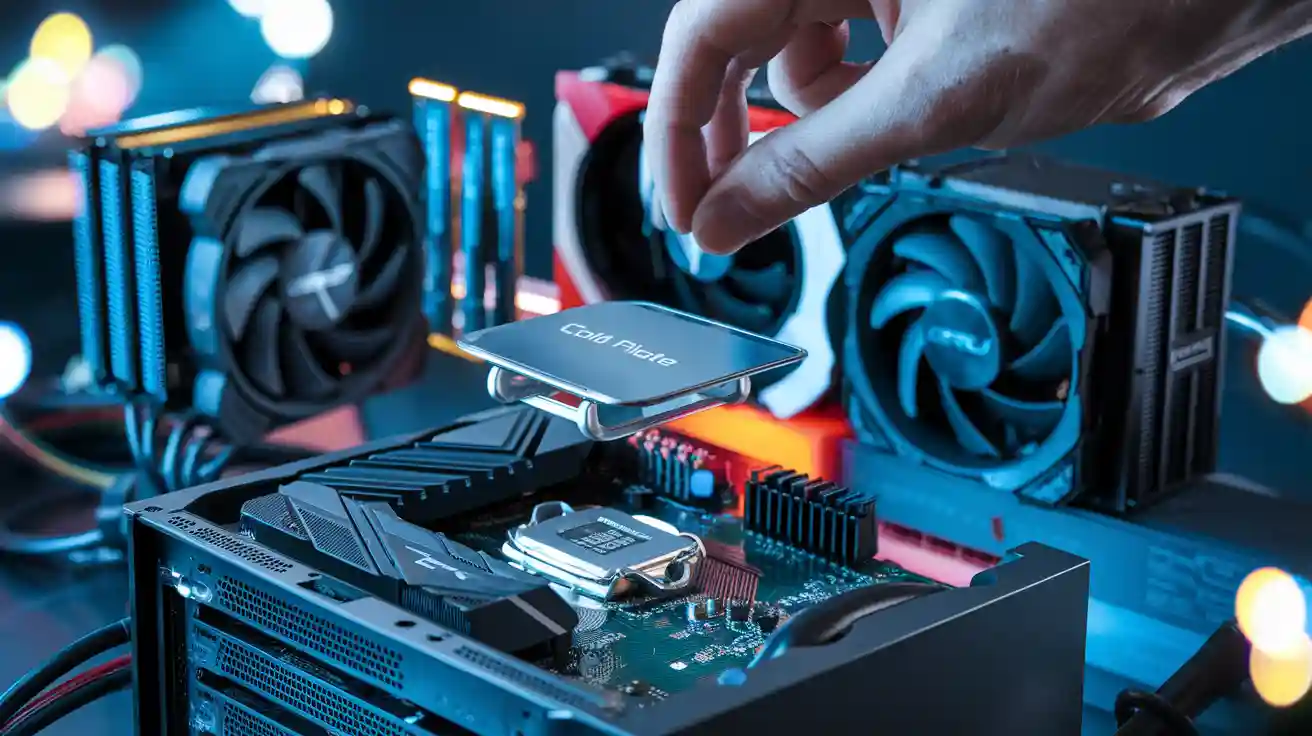
What Is Cold Plate Other CPU Cooling?
Definition and how it works.
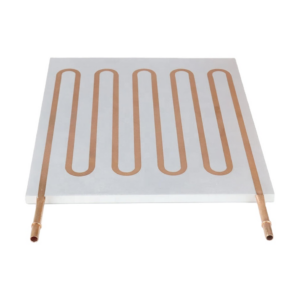
A cold plate is a specialized component designed to manage thermal energy in high-performance systems. It sits directly on top of the CPU, absorbing waste heat and transferring it to a circulating coolant. The internal channels inside the cold plate allow the coolant to flow efficiently, which increases the rate of heat transfer.
The process works in three main steps:
- The CPU generates heat, which conducts through the cold plate material.
- The coolant moves through internal channels, absorbing the thermal energy from the plate.
- The heated coolant travels to a radiator or heat exchanger, where it releases the thermal load.
Role of liquid circulation and thermal conductivity.
Liquid circulation plays a critical role in cold plate cooling. The coolant flows continuously through the internal channels, carrying thermal energy away from the CPU. This movement prevents hotspots and keeps temperatures stable.
Material choice directly affects thermal performance. A copper coldplate offers superior thermal conductivity, exceeding 380 W/mK, which makes it highly effective for demanding applications. An aluminum coldplate provides good thermal management as well, with conductivity ranging from 150-250 W/mK. Some cold plates use composites, but these usually have lower thermal conductivity compared to copper or aluminum.
Typical use cases (high-performance PCs, servers, industrial).
Cold plates appear in many advanced computing and industrial environments. The table below highlights common applications and their benefits:
| Application | Description |
|---|---|
| High-Density Server | Essential for dissipating heat from processors, ensuring optimal performance and energy efficiency. |
| Telecommunications | Regulates temperature of communication equipment, preventing signal deterioration and ensuring reliability. |
| Aerospace | Lowers temperature of avionics and electronic components, critical for safety in extreme conditions. |
| Electric Vehicles | Manages heat of batteries and power electronics, improving efficiency and longevity. |
| Medical Devices | Sustains functionality of delicate components in imaging and diagnostic equipment, ensuring precision. |
High-performance PCs and servers rely on cold plates to maintain safe thermal levels during intense workloads. Industrial systems, such as those in aerospace or electric vehicles, use cold plates to protect sensitive electronics from overheating. These applications demand reliable heat transfer and stable thermal management.
Types of CPU Cooling Methods
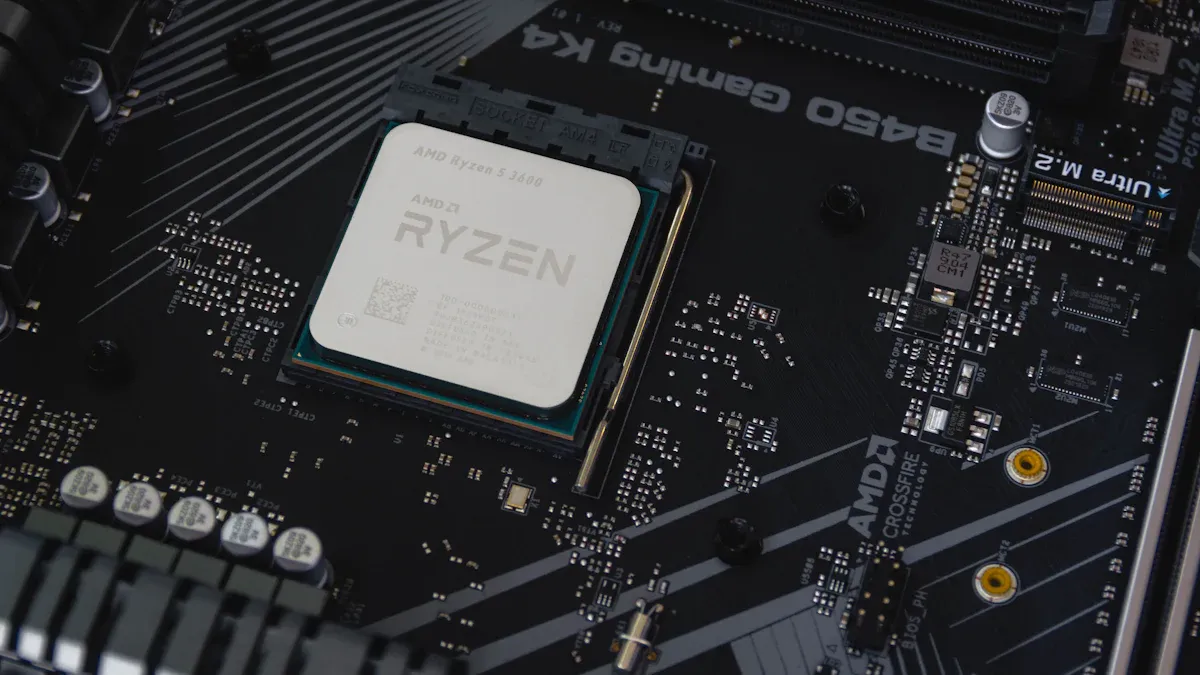
Air Cooling
Air cooling remains the most common method for managing CPU temperatures. A cpu cooler in this category uses a heatsink and fan to move heat away from the processor. Builders often choose air cooling for its reliability and ease of installation.
A cpu cooler with a large heatsink can handle higher thermal loads. However, air cooling may struggle with overclocked CPUs or compact cases.
AIO Cooling
AIO coolers combine a pump, radiator, and cpu cooler into a single closed unit. These systems use liquid to transfer heat from the CPU to the radiator, where fans then dissipate it. Many builders prefer AIO liquid coolers for their balance of performance and convenience.
AIO liquid coolers offer quieter operation than most air coolers. They also fit into a wide range of cases. Maintenance is minimal because the liquid loop is sealed at the factory.
Custom Loops
Custom loops provide the highest level of cooling performance. Builders design these systems to include a cpu cooler, pump, reservoir, and multiple radiators. Custom loops use liquid to cool not only the CPU but also other components like the GPU.
These systems require careful planning and regular maintenance. Custom loops suit experienced builders who want maximum control over their cooling.
Cold Plate Liquid Cooling
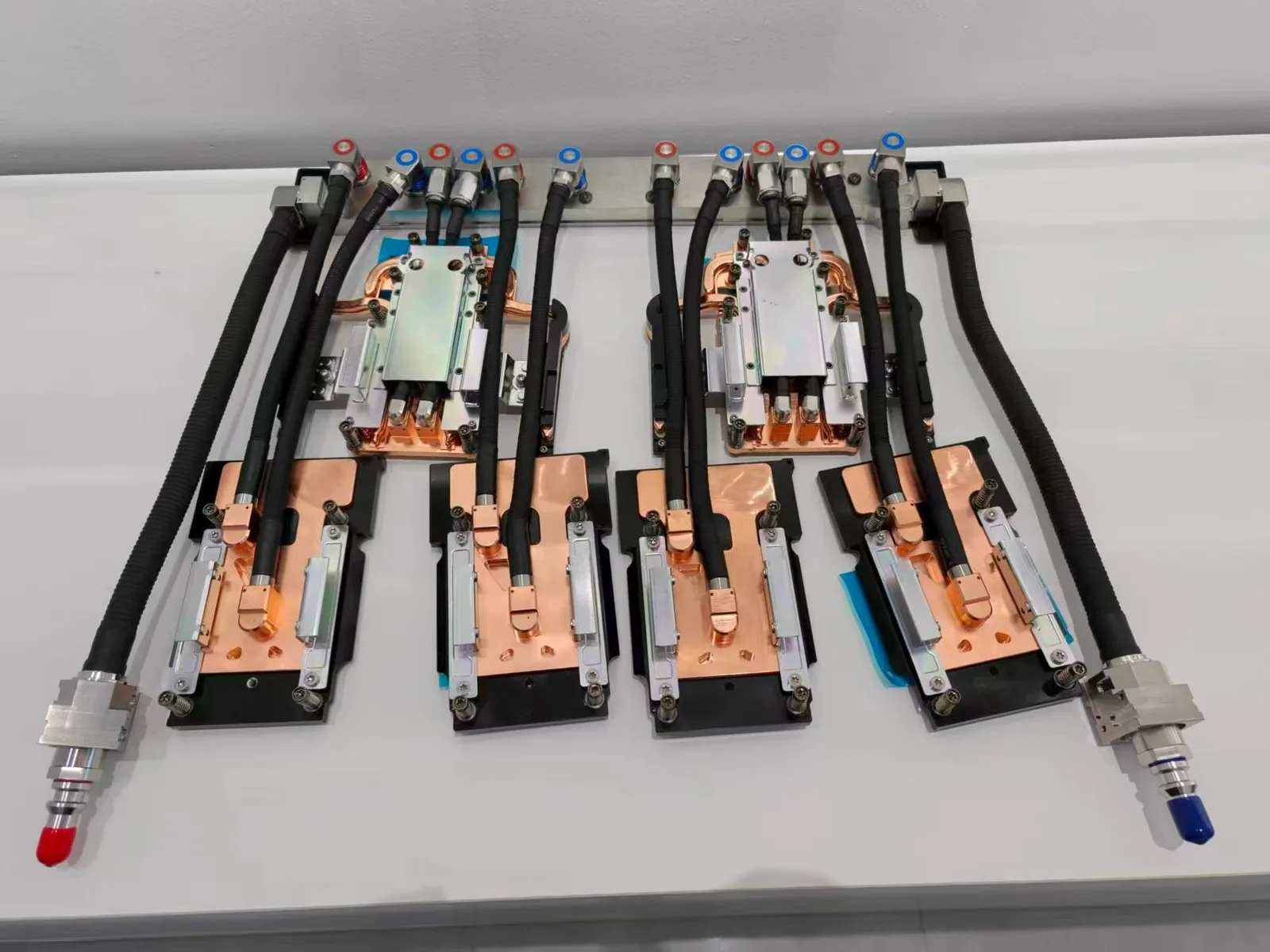
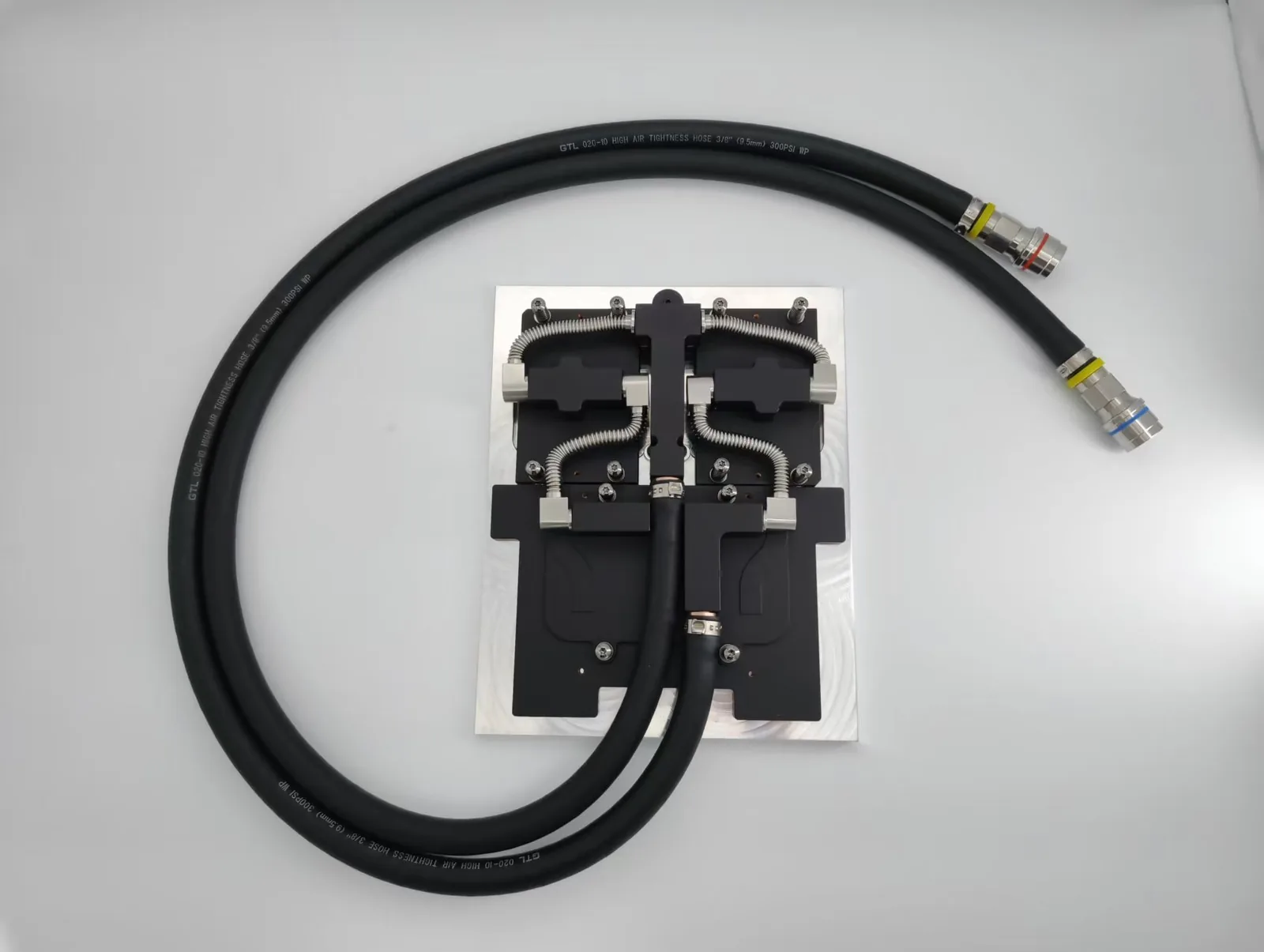
Liquid Cold plates use a specialized cpu cooler with a metal plate that sits directly on the CPU. The liquid flows through channels in the cold plate, absorbing heat efficiently. This method excels in high-performance systems and servers.
Cold plate liquid coolers deliver precise temperature control and stable operation. They often outperform standard liquid coolers in demanding environments. Builders choose cold plate liquid cooling for applications where reliability and efficiency matter most.
Cold Plate vs Other CPU Cooling: Key Comparisons
Performance & Heat Dissipation
Thermal performance stands as the most important factor when comparing cold plate vs other cooling methods. Cold plates deliver superior heat transfer, especially in high-load scenarios. They maintain lower CPU temperatures during overclocking and heavy workloads.
Air coolers and AIOs handle moderate heat well but may struggle with extreme thermal dissipation. Custom loops offer strong performance but require careful design. Cold plates excel in environments where stable temperatures and efficient heat removal are critical.
Noise Levels
Noise levels can influence the user experience in any build. Cold plate systems often operate quietly because they rely on liquid movement rather than high-speed fans. This design reduces the need for loud airflow, especially under heavy loads.
Air coolers tend to produce more noise as fan speeds increase to manage heat. AIOs and custom loops can be quieter than air coolers, but pump and fan noise may still be present. Cold plate vs other cooling methods shows that cold plates often offer a quieter solution for high-performance systems.
Installation & Maintenance
Installation and maintenance requirements differ greatly between cold plate vs other cooling options.
- Cold plate systems require careful installation, especially when retrofitting existing setups.
- Builders must check coolant flow, inspect connections, and clean or replace filters regularly.
- Routine checks should occur monthly to ensure reliable operation.
Air coolers and AIOs install quickly and need less maintenance. Custom loops and cold plates demand more attention and technical skill. Cold plate vs other solutions: cold plates require more time and expertise to set up and maintain.
Cost & Longevity
Cost varies widely among cooling solutions. The table below compares typical price ranges:
| Cooling System | Cost Range |
|---|---|
| Air Cooling | $20–100 |
| AIOs | $80–200+ |
| Custom Loops | $300–1,000+ |
Cold plate systems often cost more than air coolers and AIOs. They may approach the price of custom loops, especially in advanced builds. Builders should consider both initial investment and long-term value.
Longevity also matters in the cold plate vs other debate. Liquid cold plate systems can last 7 to 15 years, outlasting many air cooling systems. This extended lifespan can offset higher upfront costs for some users.
| Cooling System Type | Average Lifespan (Years) |
|---|---|
| Liquid Cold Plate | 7 to 15 |
| Air Cooling Systems | Shorter than liquid plates |
Space & Design Considerations
Space and design play a role in selecting the right cooling method. Cold plate systems fit well in high-density environments where space is limited. Their compact design allows builders to cool powerful CPUs without large heatsinks or radiators.
Air coolers require significant vertical clearance, which may not suit small cases. AIOs and custom loops need space for radiators and tubing. Cold plate vs other solutions: cold plates offer flexibility for tight spaces and custom layouts.


When Should Builders Choose Cold Plates?
Ideal scenarios
Builders select cold plates for systems that demand maximum performance and reliability. High-performance workstations, servers, and overclocked setups generate intense heat that standard cooling methods cannot handle efficiently. Cold plate solutions excel in these environments by maintaining stable temperatures and preventing thermal throttling.
The following table outlines scenarios where professional builders recommend cold plate cooling:
| Scenario Type | Description |
|---|---|
| High heat load environments | Cold plates excel in managing significant heat loads. |
| Limited space applications | Ideal for situations where space is constrained. |
| High-performance computing | Necessary for sensitive electronics requiring efficient cooling. |
| Precise temperature control | Essential in applications needing exact temperature regulation. |
Cold plates support high-density electronics and edge AI servers. These systems require effective heat dissipation to maintain peak performance. Builders rely on cold plate cooling for 6G telecom hardware, where thermal stability ensures reliable operation.
| Workload/Application | Benefits of Cold plate Cooling |
|---|---|
| High-Density Electronics | Effective heat dissipation for CPUs, GPUs, and high-performance computing systems. |
| Edge AI Servers | Safe deployment in thermally constrained environments with high thermal performance. |
| 6G Telecom Hardware | Ensures thermal stability and reliability in high-frequency communication systems. |
Who should avoid them
Casual gamers and budget builders often find cold plate cooling unnecessary. These users run systems with moderate heat output and do not require advanced cooling for optimal performance. Air coolers or basic liquid cooling provide sufficient temperature management for their needs.
Cold plates involve higher costs and complex installation. Beginners may struggle with setup and maintenance. For most entry-level builds, cold plate cooling does not offer significant performance benefits.
Pros and Cons of Cold Plates
Pros:
Cold plates stand out for its high efficiency and precise temperature control. Builders often choose this method for systems that require stable temperatures and reliable performance under heavy loads. Overclockers benefit from the ability to push CPUs further without risking overheating.
The following table highlights the main advantages of cold plate cooling compared to air and AIO cooling:
| Advantage | Description |
|---|---|
| Efficient Heat Removal | Cold plates provide high cooling capacity, allowing rapid heat transfer from components to coolant. |
| Localized Cooling | Targets specific hot spots, improving performance where it is needed most. |
| Reliability and Performance | Maintains consistent temperatures, reducing overheating risks and extending component life. |
Cold plate cooling offers superior cooling efficiency, especially in high-performance environments. This method ensures that CPUs and other components operate within safe temperature ranges, even during demanding tasks.
Cons
Cold plate cooling systems come with several drawbacks. The initial cost is higher than traditional air or AIO solutions. Installation and maintenance require more technical skill, which can challenge beginners.
- Liquid metal management becomes necessary over time. Users must perform maintenance about every two years to prevent thermal degradation.
- Infrastructure requirements can be demanding. Some setups need specialized power and liquid cooling pipelines, making retrofitting older systems difficult.
- Users should evaluate their unique needs and prioritize performance, affordability, and longevity when selecting liquid cooling plate materials.
Conclusion
Cold plates deliver excellent thermal performance, especially in demanding builds that require stable temperatures under heavy workloads. While air and AIO cooling remain popular for their affordability and ease of use, cold plates stand out in situations where efficiency and precision matter most.
By weighing performance, cost, and installation needs, builders can decide whether a cold plate is the right investment for their next system. Choosing the right cooling method ensures better CPU performance, longer hardware life, and a smoother building experience.
For industry standards and best practices, refer to ASHRAE thermal guidelines.
Frequently Asked Questions
Does ToneCooling offer OEM and ODM services?
Yes. ToneCooling provides full OEM and ODM services including custom design, prototyping, thermal simulation, and volume production. We serve customers in North America, Europe, and Asia-Pacific with engineering support and samples within 6–8 weeks.
What materials are used in ToneCooling liquid cold plates?
ToneCooling manufactures cold plates in aluminum (6061/6063), copper (C1100/C1020), and stainless steel. Aluminum FSW cold plates are ideal for high-volume EV and industrial applications, while copper cold plates provide the highest thermal conductivity for high heat flux electronics.
What is the typical lead time for custom cold plates?
Prototype samples are delivered within 6–8 weeks. Production orders typically ship within 4–6 weeks after sample approval. An engineer reviews every RFQ and replies by email with next steps.
Get a Custom Thermal Solution from ToneCooling
ToneCooling is a professional liquid cooling solution provider specializing in custom cold plates, AIO coolers, and advanced thermal management systems. With ISO 9001 quality management and our own manufacturing facility in Huizhou, China, we deliver prototype samples typically within 6–8 weeks. Contact ToneCooling today for a free consultation and quote. An engineer reviews every RFQ and replies by email with next steps.
For industry standards and best practices, refer to ASHRAE thermal guidelines.
Get a Custom Thermal Solution from ToneCooling
ToneCooling is a professional liquid cooling solution provider specializing in custom cold plates, AIO coolers, and advanced thermal management systems. With ISO 9001 quality management and our own manufacturing facility in Huizhou, China, we deliver prototype samples typically within 6–8 weeks. Contact ToneCooling today for a free consultation and quote. An engineer reviews every RFQ and replies by email with next steps.
Why Choose ToneCooling for Liquid Cold Plate Comparison Guide
Engineering review and prototype planning are based on the project requirements. Custom prototype lead time is normally 6–8 weeks after drawing approval and order confirmation; confirm the production schedule in the quotation.
Need a Custom Liquid Cold Plate?
ToneCooling engineers review your drawings and requirements and reply by email with next steps.
Last updated: 2026-10-02
References: ISO 9001