Vapor chambers are used in smartphones, laptops, GPUs, servers, telecom equipment and LED lighting, wherever concentrated heat must be spread in a thin space. ToneCooling designs custom vapor chambers for industrial, telecom and server applications.
As demand for thinner, faster, and more powerful devices rises, vapor chamber technology emerges as a key thermal solution in 2025. This article explores its top five applications—from smartphones to electric vehicles—highlighting how vapor chamber cooling reshapes performance, efficiency, and design across consumer electronics and industrial systems.

Smartphone Vapor Chamber Applications
Mobile Device Cooling
Smartphones in 2025 demand advanced thermal management. High-performance chips and 5G connectivity generate significant heat during intensive tasks. Manufacturers now rely on vapor chamber cooling to address these challenges. This technology spreads heat quickly across a thin, flat surface, outperforming traditional heat sink solutions. Engineers select vapor chamber cooling for its ability to maintain optimal device temperatures, even during gaming or video streaming.
The vapor chamber absorbs heat from the processor and distributes it evenly. This process prevents hotspots and reduces the risk of thermal throttling. Many brands now highlight vapor chamber applications as a key feature in their flagship devices. The usage of vapor chamber cooling also allows for slimmer phone designs without sacrificing performance.
User Experience Benefits
Vapor chamber cooling directly impacts user experience. Devices stay cooler to the touch, even during extended use. Users notice fewer slowdowns because the processor maintains high speeds without overheating. The heat sink design with vapor chamber technology extends device longevity by reducing thermal stress on internal components.
Vapor chambers improve battery life by keeping temperatures stable. This stability reduces wear on the battery and other sensitive parts. In 2025, the integration of vapor chamber cooling in smartphones sets new standards for comfort, reliability, and performance. Consumers now expect this level of cooling in premium devices, making it a defining feature in the market.
| Feature | Traditional Heat Sink | Vapor Chamber Cooling |
|---|---|---|
| Heat Spreading | Moderate | Excellent |
| Device Thickness | Thicker | Slimmer |
| Cooling Efficiency | Good | Superior |
Gaming Laptops and PC Vapor Chamber Cooling
High-Performance Computing
Gaming laptops and PCs demand advanced heat sink solutions to keep up with next-generation GPUs and CPUs. Vapor chamber cooling now plays a central role in these devices. Engineers use vapor chamber heat sink integration to spread heat quickly and evenly across the surface. This approach prevents hotspots and keeps the system stable during intense gaming sessions or heavy workloads.
Vapor chamber applications in gaming systems allow for higher clock speeds and better overclocking potential. The heat sink absorbs and disperses heat from the processor and graphics card, maintaining optimal temperatures. As a result, users experience fewer slowdowns and less thermal throttling. The difference between vapor chamber and heat pipe becomes clear in these high-performance environments. Vapor chambers provide superior heat spreading, especially in compact spaces where traditional heat pipes may struggle.
Ultra Thin Design Advantages
Manufacturers continue to push for thinner and lighter gaming laptops. Vapor chamber cooling supports this trend by enabling slim designs without sacrificing thermal performance. The flat, wide structure of the vapor chamber heat sink fits easily into tight spaces, making it ideal for modern laptops.
| Feature | Heat Pipe | Vapor Chamber |
|---|---|---|
| Heat Spreading | Good | Excellent |
| Device Thickness | Thicker | Slimmer |
| Cooling Efficiency | Moderate | Superior |
| Overclocking Support | Limited | Enhanced |

Data Center Vapor Chamber Applications
Server Heat Management
Data centers face intense demands from AI, cloud computing, and high-density server racks. Engineers now turn to vapor chamber applications to manage heat in these environments. The vapor chamber heat sink integration spreads heat evenly across server components. This process prevents hotspots and keeps processors running at stable temperatures.
Energy Efficiency
Energy efficiency remains a top priority for modern data centers. Vapor chamber applications help reduce the need for excessive fan use and air conditioning. By spreading heat more effectively, each heat sink lowers the overall energy required for cooling. Operators see lower electricity bills and a smaller carbon footprint.
| Cooling Method | Cooling Efficiency | Space Requirement | Energy Use |
|---|---|---|---|
| Traditional Heat Sink | Moderate | Larger | Higher |
| Vapor Chamber Heat Sink | Superior | Compact | Lower |
Automotive and EV Electronics
Power Module Cooling
Automotive engineers in 2025 rely on vapor chamber technology to manage heat in electric vehicles. Power modules in EVs generate significant heat during operation. A vapor chamber heat sink absorbs this heat and spreads it across a larger area. This process keeps sensitive electronics at safe temperatures. Battery packs, inverters, and onboard chargers all benefit from this advanced heat sink design.
Manufacturers select vapor chamber heat sinks because they fit into compact spaces within the vehicle. The flat structure allows for efficient integration with other components. Electric vehicles maintain higher performance levels during rapid acceleration and fast charging.
Safety and Reliability
Safety remains a top priority in automotive electronics. Vapor chamber heat sinks help prevent thermal runaway in battery systems. By maintaining stable temperatures, these heat sinks lower the risk of fires or malfunctions. Automotive designers trust vapor chamber heat sinks to deliver consistent results, even in harsh driving conditions.
Reliability also improves with this technology. Vehicles equipped with vapor chamber heat sinks experience fewer breakdowns related to overheating. The applications of vapor chamber heat sinks in 2025 set new standards for both safety and performance. Drivers benefit from longer-lasting vehicles and greater peace of mind.
| Feature | Traditional Heat Sink | Vapor Chamber Heat Sink |
|---|---|---|
| Heat Spreading | Moderate | Excellent |
| Space Efficiency | Lower | Higher |
| Safety Enhancement | Basic | Advanced |
Automotive and EV electronics now depend on vapor chamber heat sink technology to meet the demands of modern transportation.

Wearables and AR/VR Devices
Compact Device Cooling
Wearables and AR/VR devices require advanced cooling solutions due to their compact size and high processing power. Engineers now integrate vapor chambers into smartwatches, fitness trackers, and augmented reality headsets. These devices generate significant heat during continuous use, especially when running complex applications or high-resolution displays. The vapor chamber spreads heat efficiently across the device’s surface, preventing hotspots and maintaining safe operating temperatures.
Manufacturers design the heat sink to fit within the limited internal space of wearables. The flat and thin structure of the vapor chambers allows for seamless integration without adding bulk. This approach ensures that even the smallest devices can handle demanding workloads without overheating. The usage of vapor chamber cooling technology in AR/VR headsets supports longer gaming sessions and immersive experiences by keeping internal components cool.
Comfort and Usability
User comfort remains a top priority for wearables and AR/VR devices. Excessive heat can cause discomfort or even skin irritation during prolonged use. The vapor chamber addresses this issue by keeping the device’s exterior cool to the touch. Users can wear smartwatches or AR glasses for extended periods without experiencing heat-related discomfort.
Device performance also benefits from effective heat management. Stable temperatures allow processors and sensors to operate at peak efficiency. In 2025, leading brands highlight vapor chambertechnology as a key feature for premium wearables and AR/VR products. The applications of this technology set new standards for comfort, usability, and reliability in the industry.
Conclusion
In 2025, vapor chamber cooling technology plays a vital role across multiple industries. Vapor chambers in Smartphones, Gaming laptops, Data centers, EV electronics, and wearables, offers superior heat spreading, supports compact designs, and ensures stable performance. As thermal demands grow, vapor chambers have become the standard for efficient, reliable cooling.
- Smartphones deliver cooler, faster performance.
- Gaming laptops and PCs achieve slim designs and stable speeds.
- Data centers gain energy efficiency and reliability.
- Automotive electronics improve safety and durability.
- Wearables and AR/VR devices offer comfort and longer use.
For industry standards and best practices, refer to ASHRAE technical resources.
Frequently Asked Questions
What is a next-generation vapor chamber?
A next-generation vapor chamber is a thinner or three-dimensional (3D) vapor chamber that spreads heat from smaller, hotter chips across a larger fin area or enclosure. Typical developments include ultra-thin designs for phones and wearables and 3D vapor chambers whose vapor space extends into heat pipes or fins for servers and GPUs.
Which industries use vapor chambers the most?
Smartphones, gaming laptops and graphics cards, data center servers, automotive and EV electronics, and AR/VR wearables are the main users of vapor chambers. They share one problem: a small, concentrated heat source that must be spread quickly over a larger area.
Are vapor chambers energy efficient?
Yes, a vapor chamber is passive: it moves heat by evaporation and condensation of a sealed working fluid and consumes no power itself. By lowering hot-spot temperatures it can also let fans run slower, which reduces system energy use and noise.
Can a vapor chamber be customized for a specific application?
Yes, vapor chamber size, thickness, wick structure, support columns and mounting features are normally designed around the customer’s heat source layout and enclosure. ToneCooling reviews the heat load, footprint and orientation before design. Custom samples are available from a single piece, typically in 4–6 weeks.
Get a Custom Thermal Solution from ToneCooling
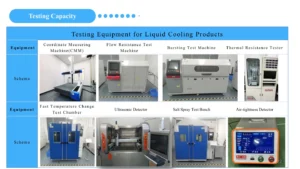
ToneCooling is a professional liquid cooling solution provider specializing in custom cold plates, AIO coolers, and advanced thermal management systems. With ISO 9001 quality management and our own manufacturing facility in Huizhou, China, we deliver prototype samples typically within 4–6 weeks. Contact ToneCooling today for a free consultation and quote. An engineer reviews every RFQ and replies by email with next steps.
References: ASHRAE thermal standards
Why Choose ToneCooling for Vapor Chamber Applications Electronics
Engineering review and prototype planning are based on the project requirements. Custom prototype lead time is normally 4–6 weeks after drawing approval and order confirmation; confirm the production schedule in the quotation.
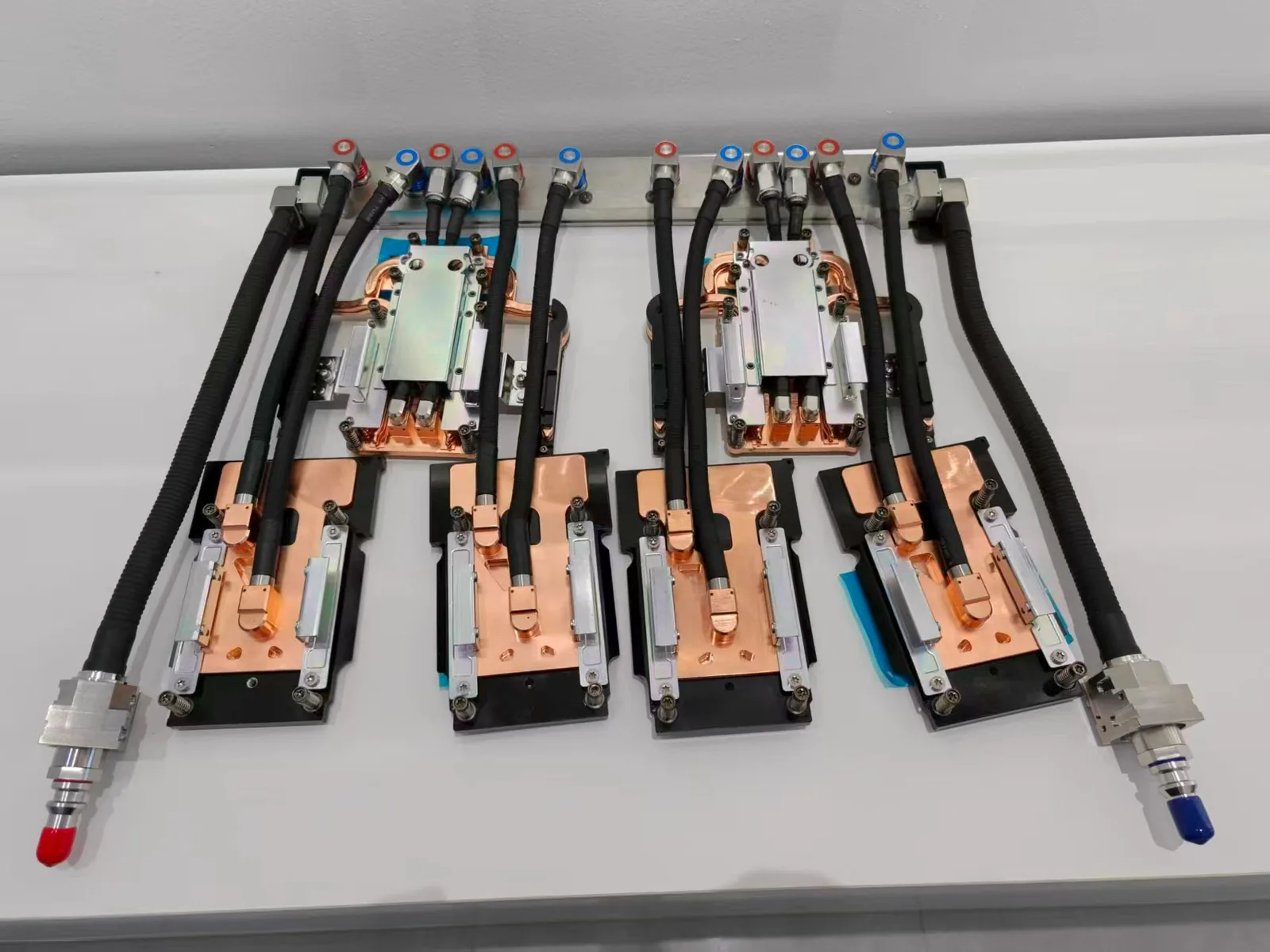
Building AI servers? See our standard GB300 4G+2C cold plate kit and GB200 cold plate kit, both supplied to published datasheets.
Need a Custom Liquid Cold Plate?
ToneCooling engineers review your drawings and requirements and reply by email with next steps.
Last updated: 2026-10-02