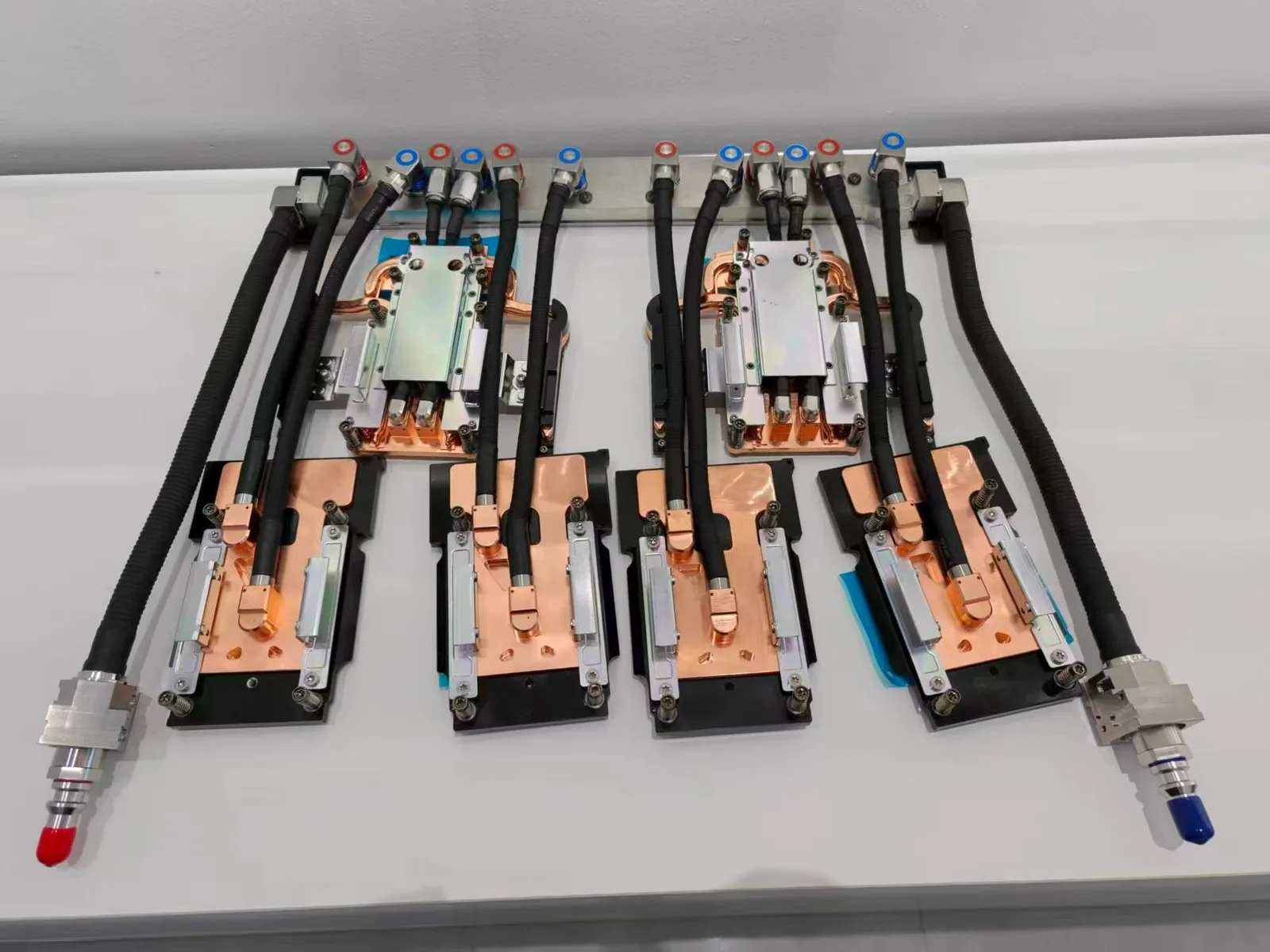
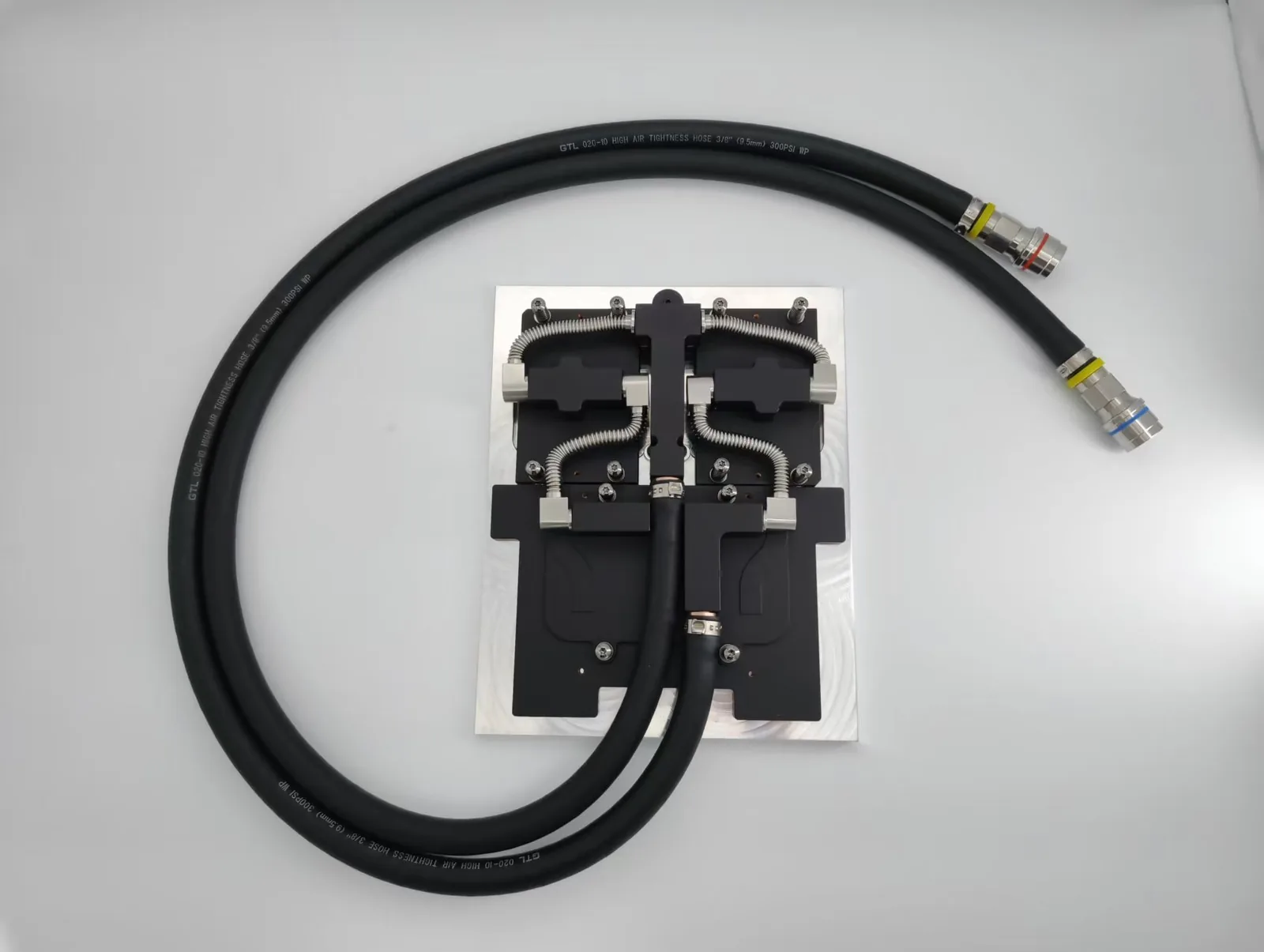
The purpose of a cold plate in electronics cooling is to move heat from a hot component straight into a liquid coolant through a short, low-resistance metal path, so devices that are too dense or too powerful for air cooling stay within their temperature limits. ToneCooling designs and builds custom liquid cold plates for servers, power electronics, lasers and batteries.
For an overview of designs and standard kits, see our liquid cold plates page.
Modern electronics generate significant heat in small spaces, which challenges effective cooling. A cooling plate provides a direct path for heat to move away from sensitive parts, keeping systems stable.
Engineers often choose a cooling plate when standard air cooling cannot manage the heat load. Proper thermal management with a cooling plate helps prevent overheating and supports reliable performance.

What Is a Cold Plate
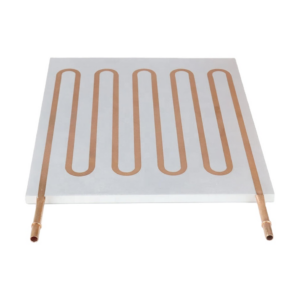
A cold plate is a flat component designed to manage heat in electronic devices. Engineers use a cooling plate to draw heat away from high-power parts and transfer it to a liquid coolant.
The structure of a cooling plate often includes channels or grooves that allow coolant to flow directly beneath the surface.
This design increases thermal conductivity and improves heat transfer. A cooling plate system can handle large amounts of heat in a small space.
High thermal conductivity materials, such as copper or aluminum, help the cooling plate move heat quickly. The cooling plate system supports stable operation in advanced electronics.
How Cold Plates Work
A cooling plate works by placing it in direct contact with components that generate heat. The liquid coolant flows through the cooling plate, absorbing heat from the device. This process relies on high thermal conductivity to move heat from the component to the coolant.
The coolant then carries the heat away to a radiator or chiller. This method provides efficient heat transfer and keeps sensitive electronics at safe temperatures.
A liquid cold plate can remove more heat than air-based solutions. The cooling plate system ensures that even densely packed devices stay cool.
Cooling Plate vs. Other Methods
A cooling plate offers several advantages over traditional cooling methods. Air cooling and heat sink solutions often require more space and cannot handle high heat loads. A cooling plate system uses liquid cooling, which provides better heat transfer in compact environments.
The cooling plate can target specific hot spots, unlike a general heat sink. In high-density systems, a cooling plate system delivers superior thermal conductivity and efficiency.
Cooling technology continues to evolve, but the cooling plate remains a top choice for demanding applications. A liquid cold plate stands out for its ability to manage heat in tight spaces.
| Cooling Method | Space Required | Heat Transfer Efficiency | Thermal Conductivity | Targeted Cooling |
|---|---|---|---|---|
| Cooling Plate | Low | High | High | Yes |
| Heat Sink | Medium | Medium | Medium | No |
| Air Cooling | High | Low | Low | No |
Benefits of Cold Plate For Electronics Cooling
Efficient Heat Removal
A cooling plate system delivers high cooling capacity for advanced electronics. The design allows rapid heat transfer from critical components to the liquid coolant.
Engineers rely on cooling plate technology for efficient cooling in compact devices. The system supports high cooling capacity even when space is limited.
Localized Cooling
A cooling plate targets specific hot spots within a device. This approach provides high cooling capacity exactly where it is needed most.
Localized heat dissipation improves the performance of sensitive parts. The cooling plate system adapts to the unique layout of each application.
Reliability and Performance
A cooling plate system enhances reliability by maintaining consistent temperatures. Stable heat dissipation reduces the risk of overheating and extends component life.
High cooling capacity supports demanding workloads and ensures efficient cooling under stress. The cooling plate enables advanced electronics to operate safely in shrinking spaces.
Thermal Management in Electronics
Role of Cold Plates
Thermal management plays a critical role in advanced electronics. Engineers use a cooling plate to control heat and maintain safe operating temperatures.
A cooling plate provides direct contact with heat sources, which improves heat transfer. This approach supports precise thermal management in compact devices.
A cooling plate uses liquid to move heat away from sensitive parts. This method increases reliability and supports high cooling capacity in demanding environments.
Applications in High-Density Systems
High-density systems pack many components into small spaces. These systems generate more heat than traditional designs.
A cooling plate offers a solution for thermal management in these tight spaces. Engineers select a cooling plate for its ability to target hot spots and deliver efficient cooling.
- Data centers use a cooling plate to keep servers running at peak performance.
- Power electronics rely on a cooling plate for stable operation.
- Medical devices benefit from precise thermal management with a cooling plate.
A cooling plate ensures high cooling capacity even when space is limited.

Cold Plate Design
Material Choices
Engineers select materials for cold plates based on their ability to transfer heat. Metals like copper and aluminum remain popular choices.
- Copper offers high thermal conductivity, which allows it to move heat quickly away from electronic components.
- Aluminum provides a lighter option with good thermal conductivity and lower cost.
Some designs use stainless steel for corrosion resistance in harsh environments. The choice of material affects both performance and durability.
Customization Factors
Designers often customize cold plates to fit unique system requirements. They may adjust the size and shape to match the layout of the device. Engineers can add special channels or fins to improve coolant flow and increase surface area.
Mounting options and connection types also vary based on the application. Some systems require cold plates with multiple zones for targeted cooling. Customization helps achieve precise temperature control and efficient heat removal.
Key customization factors include:
- Component placement
- Coolant type
- Flow rate
- Pressure drop limits
A well-designed cold plate supports stable operation and extends the life of sensitive electronics. Proper customization ensures the cold plate delivers optimal performance in any environment.
Conclusion
Cold plates are a practical solution for thermal management in modern electronics. They offer efficient heat transfer in limited spaces and help maintain stable operation in high-power systems.
Compared to air cooling and heat sinks, cold plates provide better thermal performance and can be tailored to specific layouts and requirements.
As electronic systems become more compact and generate more heat, cold plates meet the demand for precise, reliable cooling. With proper material selection and design, they help ensure long-term performance and protect sensitive components from thermal stress.
For industry standards and best practices, refer to ASHRAE thermal guidelines.
When Does an Electronics System Need a Cold Plate Instead of Air Cooling?
Use a cold plate when the heat flux at the device, the total heat in the enclosure, or the noise and airflow limits exceed what fans and heat sinks can handle. Typical cases are AI GPUs and server CPUs, IGBT and SiC power modules, laser diodes and battery packs. The cold plate carries the heat to a chiller, CDU or radiator outside the hot zone.
What to send for a custom cold plate quote:
- Heat load and heat-source footprint
- Coolant, flow and pressure-drop budget
- Inlet temperature and temperature limits
- Envelope, mounting and port positions or a drawing
- Quantity and target sample date
See the liquid cold plates overview, read what a cold plate is, or send an RFQ.
Frequently Asked Questions
What does a cold plate do in electronics cooling?
It moves heat from a device into a liquid coolant through a metal plate with internal channels; the coolant carries the heat to a heat exchanger, chiller or CDU.
Where are cold plates used?
In AI servers, power electronics such as IGBT and SiC inverters, lasers, medical and semiconductor equipment, and EV and energy storage battery packs.
What materials are cold plates made from?
Copper for the highest heat flux, aluminum for lighter and lower-cost plates, and stainless steel for some tubes and wetted parts.
What should I send for a custom cold plate quote?
Heat load and power map, coolant, flow and pressure-drop budget, inlet temperature, envelope or drawing, ports and quantity. An engineer reviews every RFQ and replies by email with next steps.
Get a Custom Thermal Solution from ToneCooling
ToneCooling is a professional liquid cooling solution provider specializing in custom cold plates, AIO coolers, and advanced thermal management systems. With ISO 9001 quality management and our own manufacturing facility in Huizhou, China, we deliver prototype samples typically within 6–8 weeks. Contact ToneCooling today for a free consultation and quote. An engineer reviews every RFQ and replies by email with next steps.
Industry References & Standards
Why Choose ToneCooling for Electronics Cold Plates
Engineering review and prototype planning are based on the project requirements. Custom prototype lead time is normally 6–8 weeks after drawing approval and order confirmation; confirm the production schedule in the quotation.
Need a Custom Liquid Cold Plate?
ToneCooling engineers review your drawings and requirements and reply by email with next steps.
Last updated: 2026-10-02